
AF
Islamic Republic of Afghanistan
Afghanistan
Summary
- Official Name
- Islamic Republic of Afghanistan
- Population
- 38,347,000
- Principal Languages
- Dari, Southern Pashto
- Literacy Rate
- 43% (2018 UNESCO)
- International Conventions
- CDE (1960), CPPDCE (2006), CSICH (2012), ICCPR (1966), UNCRPD (2006), UNDRIP (2007)
- General References
- Bashir 2003, Dupree 1980, Farhadi and Raven 1967, Grjunberg 1968, Morgenstierne 1974, Payne 1987, Sebeok 1970, Strand 1973, Strand 2001
- Language Counts
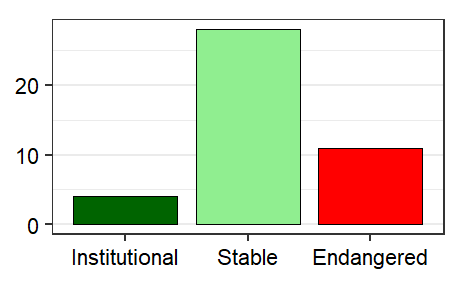
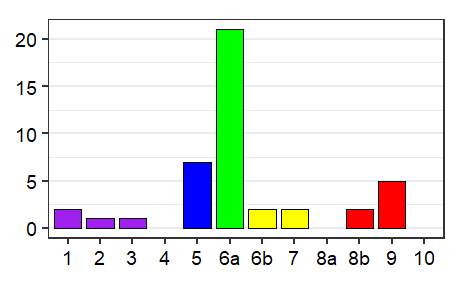
- The number of established languages listed for Afghanistan is 43. All are living languages. Of these, 35 are indigenous and 8 are non-indigenous. Furthermore, 4 are institutional, 12 are developing, 15 are vigorous, 4 are in trouble, and 8 are dying. Also listed are 4 unestablished languages.
Languages
- Afghan Sign Language afg
- Balkh province: Mazar-e Sharif; Bamyan province: Bamiyan city; Herat province: Herat city; Kabul province: Kabul city; Kandahar province: Kandahar city; Laghman province; Nangarhar province: Jalalabad city and many surrounding districts; Parwan province; Takhar province: Faizabad. Most live in Kabul and Jalalabad. Users: 190,000 (2021). Estimated 115,000–230,000 signing deaf (0.3%–0.6% of the total population), depending on incidence of deafness, availability of education, and impact of war. Status: 5 (Developing). Alternate Names: AFSL, Afghan Sign Classification: Sign language, Deaf community sign language
- Aimaq aiq
- Badghis, Ghor, and Herat provinces; Farah and Faryab provinces: smaller border areas; west of Hazara. Users: 1,400,000 in Afghanistan (2017 J. Leclerc). Total users in all countries: 1,886,900. Status: 6a (Vigorous). Alternate Names: Barbari, Berberi, Chahar-Aimaq, Char Aimaq Classification: Indo-European, Indo-Iranian, Iranian, Western, Southwestern, Persian
- Arabic, Tajiki Spoken abh
- Balkh province: Dawlatabad district, Khushalabad, Yakhdan; Jawzjan province: Mingajik district, Sultan Arigh; Sheberghan district, Hasanabad. Users: 16,000 in Afghanistan (2017), decreasing. Status: 6b* (Threatened). Alternate Names: Arabi Classification: Afro-Asiatic, Semitic, Central, South, Arabic
- Ashkun ask
- Nuristan province: Wama district, Pech valley; Duab and Nurgaram districts, east side of lower Alingar valley; Bajagal, Kolatan, Malil wa Mushfa, and Titin valleys; Kunar province: Chapa Dara district. Users: 40,000 (2011), increasing. 4,000 monolinguals. Ethnic population: 40,000. Status: 6a (Vigorous). Alternate Names: Ashkund, Ashkuni, Ashkunu viri, Wamais, Wamayi Classification: Indo-European, Indo-Iranian, Nuristani
- Azerbaijani, North azj
- Users: 13,000 in Afghanistan (2017 J. Leclerc). Status: Unestablished. Classification: Turkic, Southern, Azerbaijani
- Balochi, Western bgn
- Helmand, Kandahar, and Nimroz, provinces: Zaranj city and Helmand river areas. Users: 415,000 in Afghanistan (2017 J. Leclerc). Status: 5 (Developing). Statutory language of provincial identity in Southwest Desert Region (2004, Constitution, Article 16(2)). Alternate Names: Baloci, Baluchi, Baluci Classification: Indo-European, Indo-Iranian, Iranian, Western, Northwestern, Balochi
- Brahui brh
- Helmand and Kandahar provinces: Chakhansoor to Shorawak among the Balochi [bgn]. Users: 200,000 in Afghanistan (Dupree 1980), increasing. Status: 6a (Vigorous). Alternate Names: Birahui, Biravi, Brahuiki, Kur Galli, Kurd Gali Classification: Dravidian, Northern
- Dari prs
- Widespread. Users: 28,660,000 in Afghanistan, all users. L1 users: 8,660,000 in Afghanistan (2017 J. Leclerc), increasing. L2 users: 20,000,000 (2020). Total users in all countries: 30,089,210 (as L1: 10,089,210; as L2: 20,000,000). Status: 1 (National). Statutory national language (2004, Constitution, Article 16(1)). Alternate Names: Afghan Persian, Eastern Farsi, Parsi, Persian Autonym: فارسی (Farsi) Classification: Indo-European, Indo-Iranian, Iranian, Western, Southwestern, Persian
- Degano wsv
- Scattered in Kunar province: Watapur district, Katar Qala and Watapur villages. Users: No known L1 speakers. Last known speaker survived into the late 1950s. Ethnic population: 30 (2017 D. Miller). Status: 9 (Dormant). Alternate Names: Wotapuri-Katarqalai Classification: Indo-European, Indo-Iranian, Indo-Aryan, Outer Languages, Northwestern, Dardic, Kohistani
- English eng
- Scattered. Users: 1,812,000 in Afghanistan, all users. L1 users: 12,000 in Afghanistan (2017 J. Leclerc). L2 users: 1,800,000 (2021 World Factbook). Status: 5* (Dispersed). Classification: Indo-European, Germanic, West, English
- Gawar-Bati gwt
- Kunar province: Konar river valley. 8 or 9 villages. Users: 32,000 in Afghanistan (2017). Ethnic population: 32,000 (2017). Total users in all countries: 36,000. Status: 6a (Vigorous). Alternate Names: Arandui, Gowari, Narisati, Narsati, Satre Classification: Indo-European, Indo-Iranian, Indo-Aryan, Outer Languages, Northwestern, Dardic, Kunar
- Grangali nli
- Kunar province: Grangali and Zemiaki; Kandai on south Pech river, 2 small valleys; Nangarhar province: Dara-I-Nur district; Nangalami dialect in Ningalam village where Waigal and Pech rivers meet. Users: 5,000 (1994). Status: 7 (Shifting). Alternate Names: Gelangali, Jumiaki Classification: Indo-European, Indo-Iranian, Indo-Aryan, Outer Languages, Northwestern, Dardic, Kunar
- Gujari gju
- Scattered. Nomadic, traveling in summer in eastern valleys. Users: 15,000 in Afghanistan (2015). Status: 6a (Vigorous). Alternate Names: Gojari, Gojri, Gujuri Rajasthani Classification: Indo-European, Indo-Iranian, Indo-Aryan, Intermediate Divisions, Western, Rajasthani, Unclassified
- Hazaragi haz
- Widespread. Users: 3,120,000 in Afghanistan (2017). Total users in all countries: 3,628,900. Status: 5 (Developing). Alternate Names: Azargi, Hazara, Hazaraghi, Hezareh Autonym: آزرگی (Āzaragi) Classification: Indo-European, Indo-Iranian, Iranian, Western, Southwestern, Persian
- Inku jat
- Balkh, Faryab, Herat, and Kunduz provinces. Users: No known L1 speakers. Last speakers probably survived into the 1990s. Status: 9 (Dormant). Alternate Names: Enku, Jakati, Jat, Jataki, Jati, Jatu, Kayani, Musali Classification: Indo-European, Indo-Iranian, Indo-Aryan, Intermediate Divisions, Western, Panjabi, Western Panjabi
- Ishkashimi isk
- Badakhshan province: Ishkashim and Wakham districts; north of Ishkashim in Bahar Bazar, Darwan, Qaz Deh, Xermani, Zargaran, and Zayad villages. Users: 2,500 in Afghanistan (2009 S. Beck), decreasing. No monolinguals. Ethnic population: 2,500 (2009 S. Beck). Total users in all countries: 3,000. Status: 6b (Threatened). Alternate Names: Eshkashimi, Ishkashim, Ishkashmi Classification: Indo-European, Indo-Iranian, Iranian, Eastern, Southeastern, Pamir
- Kamviri xvi
- Nuristan province: Kamdesh and Kishtoz villages in lower Bashgal valley. Users: 18,000 in Afghanistan (2011), increasing. 3,600 monolinguals. Ethnic population: 18,000. Total users in all countries: 20,000. Status: 6a (Vigorous). Alternate Names: Kamdeshi, Kamik, Lamertiviri, Shekhani Classification: Indo-European, Indo-Iranian, Nuristani
- Kati bsh
- Badakhshan, Kunar, and Nuristan provinces: smaller areas in Laghman and Panjsher provinces; Eastern Kativiri dialect: upper Bashgal valley (Barg-e-Matal); Mumviri dialect: Gabalgrom, Mangul, and Sasku villages in Bashgal valley; Western Kativiri dialect: Duab and Mondul districts, Ktivi (Kantiwo), Kulam, Paruk (Papruk), and Ramgal valleys. Users: 128,000 in Afghanistan (2017), increasing. Ethnic population: 128,000 (2017). Total users in all countries: 135,800. Status: 5 (Developing). Statutory language of provincial identity in Nuristan Province (2004, Constitution, Article 16(2)). Alternate Names: Bashgali, Kata viri, Kativiri, Kâtʹa-vari, Nuristani Classification: Indo-European, Indo-Iranian, Nuristani
- Khowar khw
- Badakhshan province. Users: 8,900 in Afghanistan (2017 J. Leclerc). Status: 5* (Dispersed). Classification: Indo-European, Indo-Iranian, Indo-Aryan, Outer Languages, Northwestern, Dardic, Chitral
- Kyrgyz kir
- Badakhshan province: Wakhan district, Great Pamir and Little Pamir valleys. Users: 750 in Afghanistan (2000). 450 in the Great Pamir; a few in Badakhshan. Status: 5* (Dispersed). Alternate Names: Kirghiz, Kirghizi, Kirgiz, Kyrgyz tili, Kyrgyzcha Classification: Turkic, Western, Aralo-Caspian
- Mogholi mhj
- Herat province: Karez-i-Mulla and Kundur. Users: No known L1 speakers. Known to be in use in the 1970s by some older adults (Weiers 2003). Ethnic population: 2,000. Status: 9 (Dormant). Alternate Names: Moghol, Mogol, Mogul, Mongul Classification: Mongolic, Western
- Munji mnj
- Badakhshan province: Kuran wa Munjan district, Mamalgha and Munjan valleys. Users: 5,300 (2008 D. Beyer and S. Beck). Very few monolinguals. Ethnic population: 5,300. Status: 5 (Developing). Statutory language of provincial identity in Badakhshan Province (2004, Constitution, Article 16(2)). Alternate Names: Munjani, Munjigi, Munjiwar Autonym: منجانی (Munjani) Classification: Indo-European, Indo-Iranian, Iranian, Eastern, Southeastern, Pamir
- Ormuri oru
- Logar province: Charkh district, Baraki-Barak. Users: 50 in Afghanistan (2011 SIL), decreasing. Ethnic population: 2,000. Status: 8b (Nearly extinct). Alternate Names: Baraks, Bargista, Oormuri, Ormui Classification: Indo-European, Indo-Iranian, Iranian, Western, Northwestern, Ormuri-Parachi
- Pahlavani phv
- Nimroz province: Chakhansur district. Users: No known L1 speakers. Ethnic population: 3,800 (2022 Joshua Project). Status: 9 (Dormant). Classification: Indo-European, Indo-Iranian, Iranian, Western, Southwestern, Persian
- Parachi prc
- Kapisa province: Kabul area, Nijrau and Tagau villages; Hindu Kush valley (Pachaghan, Shutul, and Ghujulan). Users: 3,500 (Kiefer 2009). Status: 7 (Shifting). Classification: Indo-European, Indo-Iranian, Iranian, Western, Northwestern, Ormuri-Parachi
- Parya paq
- Laghman province; Kabul and Nangarhar provinces small border areas. Users: No known L1 speakers in Afghanistan. Ethnic population: 240. Status: 9 (Dormant). Alternate Names: Afghana-Yi Nasfurush, Afghana-Yi Siyarui, Laghmani Classification: Indo-European, Indo-Iranian, Indo-Aryan, Intermediate Divisions, Western, Unclassified
- Pashai, Northeast aee
- Kunar province: west of Asadabad, Konar and Pech rivers’ valleys; Nangarhar province: Dara-I-Nur and Kuz Konar districts. Users: 54,400 (2000). Total Pashai speakers in Afghanistan: 366,000 (2020 World Factbook). Status: 6a (Vigorous). Statutory language of national identity (2004, Constitution, Article 16(2)). Alternate Names: Northeast Pashayi, Pashai Classification: Indo-European, Indo-Iranian, Indo-Aryan, Outer Languages, Northwestern, Dardic, Pashai
- Pashai, Northwest glh
- Kabul province: northwest of Kabul; Kapisa, Kunar, Laghman, and Nuristan provinces; some in Nangarhar and Parwan provinces; Alisheng valley and others north of Sarobi. Users: 70,000 (2011 SIL). Total Pashai speakers in Afghanistan: 366,000 (2020 World Factbook). Status: 6a* (Vigorous). Alternate Names: Northwest Pashayi, Pashai Classification: Indo-European, Indo-Iranian, Indo-Aryan, Outer Languages, Northwestern, Dardic, Pashai
- Pashai, Southeast psi
- Nangarhar province: north of Shewa; Laghman province; Alingar valley area; Upper and Lower Darrai Nur valley, Damench, Shale (Shari). Users: 180,000 (2011 Pashai Language Development Project), increasing. 75,000 Laghman, 95,000 Nangarhar, 10,000 Kunar. Total Pashai speakers in Afghanistan: 366,000 (2020 World Factbook). 100,000 monolinguals. Ethnic population: 400,000. Status: 5 (Developing). Statutory language of provincial identity in Nangahar, Laghman provinces (2004, Constitution, Article 16(2)). Alternate Names: Pashai, Southeast Pashayi Autonym: پَشَي (Pashai) Classification: Indo-European, Indo-Iranian, Indo-Aryan, Outer Languages, Northwestern, Dardic, Pashai
- Pashai, Southwest psh
- Northeast of Kabul, and in Kapisa province; north of Sarobi, Tagau (Tagab) valley. Users: 100,000 (2011 SIL). Total Pashai speakers in Afghanistan: 366,000 (2020 World Factbook). Status: 6a (Vigorous). Alternate Names: Pashai, Southwest Pashayi Classification: Indo-European, Indo-Iranian, Indo-Aryan, Outer Languages, Northwestern, Dardic, Pashai
- Pashto, Northern pbu
- Nangarhar province and surrounding regions; scattered. Users: 5,190,000 in Afghanistan, all users. L1 users: 3,830,000 in Afghanistan (2017), increasing. L2 users: 1,360,000 (2021). Status: 3 (Wider communication). Alternate Names: Afghan, Eastern Afghan Pashto, Northwestern Pakhto, Pakhtoon, Pakhtun, Paktu, Pashtoon, Sharqi Classification: Indo-European, Indo-Iranian, Iranian, Eastern, Southeastern, Pashto
- Pashto, Southern pbt
- Badghis, Farah, Helmand, Herat, Kandahar, Nimroz, Uruzgan, and Zabul provinces. Users: 13,320,000 in Afghanistan, all users. L1 users: 9,840,000 in Afghanistan (2017). L2 users: 3,480,000 (2021). Total users in all countries: 19,733,930 (as L1: 16,253,930; as L2: 3,480,000). Status: 1 (National). Statutory national language (2004, Constitution, Article 16(1)). Alternate Names: Kandahari Pashto, Qandahari Pashto, Southwestern Pashto Autonym: پښتو (Pax̌tō) Classification: Indo-European, Indo-Iranian, Iranian, Eastern, Southeastern, Pashto
- Prasuni prn
- Nuristan province: Sech, Shupu (Ishtivi, Shtevgrom), Ucu, Ushut, and Zumu villages; Prasun (Parun) valley on upper reaches of Pech river; small border area with Badakhshan province. Users: 8,000 (2011), increasing. 1,600 monolinguals. Ethnic population: 8,000. Status: 6a (Vigorous). Alternate Names: Nuristani, Parun, Paruni, Prasun, Vasi vari, Veron, Verou, Veruni, Wasi-Veri, Wasi-weri Classification: Indo-European, Indo-Iranian, Nuristani
- Punjabi, Western pnb
- Users: 39,000 in Afghanistan (2017 J. Leclerc). Status: Unestablished. Classification: Indo-European, Indo-Iranian, Indo-Aryan, Intermediate Divisions, Western, Panjabi, Western Panjabi
- Sanglechi sgy
- Badakhshan province: Zebok district, Dashte Rubat, Esketul, Faruq, Flaxmadek, Sar-Sanglech, and Takya villages in Sanglech valley. Users: 2,200 (2009 S. Beck). Ethnic population: 2,200. Status: 6a (Vigorous). Alternate Names: Dargi Classification: Indo-European, Indo-Iranian, Iranian, Eastern, Southeastern, Pamir
- Savi sdg
- Kunar province: Sau village on Konar river. Users: 5,000 in Afghanistan (2017). Total users in all countries: 9,000. Status: 6a (Vigorous). Alternate Names: Sau, Sauji, Sawi Classification: Indo-European, Indo-Iranian, Indo-Aryan, Outer Languages, Northwestern, Dardic, Shina
- Shughni sgh
- Badakhshan province: both sides of Afghanistan-Tajikistan border, 50 km north of Ishkashim, Pamir mountains. Users: 40,000 in Afghanistan (2009). Most are monolingual. Status: 5 (Developing). Alternate Names: Khughnani, Khughni, Khughnoni, Khugnone, Shighnani, Shighni, Shughnani, Shughnoni, Shugni Classification: Indo-European, Indo-Iranian, Iranian, Eastern, Southeastern, Pamir, Shugni-Yazgulami
- Shumashti sts
- Kunar province: Konar valley west side between Pech valley and Jalalabad city. Users: 1,000 (1994). Status: 6a (Vigorous). Alternate Names: Shumasht Classification: Indo-European, Indo-Iranian, Indo-Aryan, Outer Languages, Northwestern, Dardic, Kunar
- Sindhi snd
- Users: 21,000 in Afghanistan (2017 J. Leclerc). Status: Unestablished. Classification: Indo-European, Indo-Iranian, Indo-Aryan, Outer Languages, Northwestern, Sindhi
- Tirahi tra
- Nangarhar province: Nangarhar village southeast of Jalalabad, west of Khyber Pass. Users: 100. Ethnic population: 5,000. Status: 8b (Nearly extinct). Classification: Indo-European, Indo-Iranian, Indo-Aryan, Outer Languages, Northwestern, Dardic, Kohistani
- Tregami trm
- Kunar province: Gambir and Katar villages in Tregam valley. Users: 3,500 (2011), increasing. 700 monolinguals. Status: 6a (Vigorous). Alternate Names: Katar Gambir, Trigami Classification: Indo-European, Indo-Iranian, Nuristani
- Turkmen tuk
- Badghis, Balkh, Faryab, Herat, Jawzjan, and Kunduz provinces; most live outside cities, including Kabul; northern border of Uzbekistan, Tajikistan. Users: 733,000 in Afghanistan (2021 World Factbook). Status: 5 (Dispersed). Statutory language of provincial identity in Turkmenistan border areas (2004, Constitution, Article 16(2)). Alternate Names: Turkman, Turkmencha, Turkmeni, Türkmen dili, Türkmençe Classification: Turkic, Southern, Turkmenian
- Urdu urd
- Users: 733,000 in Afghanistan (2021 World Factbook). Status: Unestablished. Classification: Indo-European, Indo-Iranian, Indo-Aryan, Western Hindi, Hindustani
- Uyghur uig
- Badakshan province: Baharak district, a few villages; Faizabad city; Kabul. Users: No known L1 speakers in Afghanistan. Ethnic population: 3,500 (2022 Joshua Project). Status: 9 (Dormant). Alternate Names: Uighor, Uighur, Uiguir, Uyghuri, Wighor Classification: Turkic, Eastern
- Uzbek, Southern uzs
- Badghis, Baghlan, Balkh, Faryab, Ghor, Jawzjan, Kunduz, Samangan, and Takhar provinces; Aqcha, Maimana, Saripul, and Sheberghan towns. Users: 3,660,000 in Afghanistan, all users. L1 users: 3,120,000 in Afghanistan (2017 J. Leclerc), increasing. L2 users: 540,000 (2021 World Factbook). 1,000,000 monolinguals (2010). Total users in all countries: 3,933,100 (as L1: 3,393,100; as L2: 540,000). Status: 2 (Provincial). Statutory language of provincial identity in Fariab, Jawzjan, Saripul, other northern provinces (2004, Constitution, Article 16(2)). Alternate Names: O’zbek, Usbeki, Uzbak, Uzbeki Autonym: ﯣزبېک (o’zbek) Classification: Turkic, Eastern
- Waigali wbk
- Kunar province: north of Pech; Nuristan province: southeast; north Waigal valley (Varjan): Ameshdesh, Jamach, Waigal, Zonchigal villages, and east in Veligal valley villages; lower valley villages (Chima-Nishey). Users: 28,000 (2017), increasing. 2,300 monolinguals. Ethnic population: 28,000 (2017). Status: 6a (Vigorous). Alternate Names: Kalasha ala, Suki, Wai, Wai-Ala, Waigala, Waigalii, Waigeli, Zhonjigali Classification: Indo-European, Indo-Iranian, Nuristani
- Wakhi wbl
- Badakhshan province: Wakhan district, Panj river area to Sarhad village; Khandud village is the center. 42 villages. Users: 17,000 in Afghanistan (2011 S. Beck), increasing. Ethnic population: 17,000. Total users in all countries: 52,200. Status: 5 (Developing). Alternate Names: Khik, Khikwar, Vakhan, Wakhani, Wakhigi Classification: Indo-European, Indo-Iranian, Iranian, Eastern, Southeastern, Pamir
Languages by Status
Dari
[prs] 1 (National). Statutory national language (2004, Constitution, Article 16(1)). 28,660,000 in Afghanistan, all users. L1 users: 8,660,000 in Afghanistan (2017 J. Leclerc), increasing. L2 users: 20,000,000 (2020). Total users in all countries: 30,089,210 (as L1: 10,089,210; as L2: 20,000,000).
Pashto, Southern
[pbt] 1 (National). Statutory national language (2004, Constitution, Article 16(1)). 13,320,000 in Afghanistan, all users. L1 users: 9,840,000 in Afghanistan (2017). L2 users: 3,480,000 (2021). Total users in all countries: 19,733,930 (as L1: 16,253,930; as L2: 3,480,000).
Uzbek, Southern
[uzs] 2 (Provincial). Statutory language of provincial identity in Fariab, Jawzjan, Saripul, other northern provinces (2004, Constitution, Article 16(2)). 3,660,000 in Afghanistan, all users. L1 users: 3,120,000 in Afghanistan (2017 J. Leclerc), increasing. L2 users: 540,000 (2021 World Factbook). 1,000,000 monolinguals (2010). Total users in all countries: 3,933,100 (as L1: 3,393,100; as L2: 540,000).
Pashto, Northern
[pbu] 3 (Wider communication). 5,190,000 in Afghanistan, all users. L1 users: 3,830,000 in Afghanistan (2017), increasing. L2 users: 1,360,000 (2021).
English
[eng] 5* (Dispersed). 1,812,000 in Afghanistan, all users. L1 users: 12,000 in Afghanistan (2017 J. Leclerc). L2 users: 1,800,000 (2021 World Factbook).
Khowar
[khw] 5* (Dispersed). 8,900 in Afghanistan (2017 J. Leclerc).
Kyrgyz
[kir] 5* (Dispersed). 750 in Afghanistan (2000). 450 in the Great Pamir; a few in Badakhshan.
Turkmen
[tuk] 5 (Dispersed). Statutory language of provincial identity in Turkmenistan border areas (2004, Constitution, Article 16(2)). 733,000 in Afghanistan (2021 World Factbook).
Afghan Sign Language
[afg] 5 (Developing). 190,000 (2021). Estimated 115,000–230,000 signing deaf (0.3%–0.6% of the total population), depending on incidence of deafness, availability of education, and impact of war.
Balochi, Western
[bgn] 5 (Developing). Statutory language of provincial identity in Southwest Desert Region (2004, Constitution, Article 16(2)). 415,000 in Afghanistan (2017 J. Leclerc).
Hazaragi
[haz] 5 (Developing). 3,120,000 in Afghanistan (2017). Total users in all countries: 3,628,900.
Kati
[bsh] 5 (Developing). Statutory language of provincial identity in Nuristan Province (2004, Constitution, Article 16(2)). 128,000 in Afghanistan (2017), increasing. Ethnic population: 128,000 (2017). Total users in all countries: 135,800.
Munji
[mnj] 5 (Developing). Statutory language of provincial identity in Badakhshan Province (2004, Constitution, Article 16(2)). 5,300 (2008 D. Beyer and S. Beck). Very few monolinguals. Ethnic population: 5,300.
Pashai, Southeast
[psi] 5 (Developing). Statutory language of provincial identity in Nangahar, Laghman provinces (2004, Constitution, Article 16(2)). 180,000 (2011 Pashai Language Development Project), increasing. 75,000 Laghman, 95,000 Nangarhar, 10,000 Kunar. Total Pashai speakers in Afghanistan: 366,000 (2020 World Factbook). 100,000 monolinguals. Ethnic population: 400,000.
Shughni
[sgh] 5 (Developing). 40,000 in Afghanistan (2009). Most are monolingual.
Wakhi
[wbl] 5 (Developing). 17,000 in Afghanistan (2011 S. Beck), increasing. Ethnic population: 17,000. Total users in all countries: 52,200.
Aimaq
[aiq] 6a (Vigorous). 1,400,000 in Afghanistan (2017 J. Leclerc). Total users in all countries: 1,886,900.
Ashkun
[ask] 6a (Vigorous). 40,000 (2011), increasing. 4,000 monolinguals. Ethnic population: 40,000.
Brahui
[brh] 6a (Vigorous). 200,000 in Afghanistan (Dupree 1980), increasing.
Gawar-Bati
[gwt] 6a (Vigorous). 32,000 in Afghanistan (2017). Ethnic population: 32,000 (2017). Total users in all countries: 36,000.
Gujari
[gju] 6a (Vigorous). 15,000 in Afghanistan (2015).
Kamviri
[xvi] 6a (Vigorous). 18,000 in Afghanistan (2011), increasing. 3,600 monolinguals. Ethnic population: 18,000. Total users in all countries: 20,000.
Pashai, Northeast
[aee] 6a (Vigorous). Statutory language of national identity (2004, Constitution, Article 16(2)). 54,400 (2000). Total Pashai speakers in Afghanistan: 366,000 (2020 World Factbook).
Pashai, Northwest
[glh] 6a* (Vigorous). 70,000 (2011 SIL). Total Pashai speakers in Afghanistan: 366,000 (2020 World Factbook).
Pashai, Southwest
[psh] 6a (Vigorous). 100,000 (2011 SIL). Total Pashai speakers in Afghanistan: 366,000 (2020 World Factbook).
Prasuni
[prn] 6a (Vigorous). 8,000 (2011), increasing. 1,600 monolinguals. Ethnic population: 8,000.
Sanglechi
[sgy] 6a (Vigorous). 2,200 (2009 S. Beck). Ethnic population: 2,200.
Savi
[sdg] 6a (Vigorous). 5,000 in Afghanistan (2017). Total users in all countries: 9,000.
Shumashti
[sts] 6a (Vigorous). 1,000 (1994).
Tregami
[trm] 6a (Vigorous). 3,500 (2011), increasing. 700 monolinguals.
Waigali
[wbk] 6a (Vigorous). 28,000 (2017), increasing. 2,300 monolinguals. Ethnic population: 28,000 (2017).
Arabic, Tajiki Spoken
[abh] 6b* (Threatened). 16,000 in Afghanistan (2017), decreasing.
Ishkashimi
[isk] 6b (Threatened). 2,500 in Afghanistan (2009 S. Beck), decreasing. No monolinguals. Ethnic population: 2,500 (2009 S. Beck). Total users in all countries: 3,000.
Ormuri
[oru] 8b (Nearly extinct). 50 in Afghanistan (2011 SIL), decreasing. Ethnic population: 2,000.
Tirahi
[tra] 8b (Nearly extinct). 100. Ethnic population: 5,000.
Degano
[wsv] 9 (Dormant). No known L1 speakers. Last known speaker survived into the late 1950s. Ethnic population: 30 (2017 D. Miller).
Inku
[jat] 9 (Dormant). No known L1 speakers. Last speakers probably survived into the 1990s.
Mogholi
[mhj] 9 (Dormant). No known L1 speakers. Known to be in use in the 1970s by some older adults (Weiers 2003). Ethnic population: 2,000.
Pahlavani
[phv] 9 (Dormant). No known L1 speakers. Ethnic population: 3,800 (2022 Joshua Project).
Parya
[paq] 9 (Dormant). No known L1 speakers in Afghanistan. Ethnic population: 240.
Uyghur
[uig] 9 (Dormant). No known L1 speakers in Afghanistan. Ethnic population: 3,500 (2022 Joshua Project).
Maps
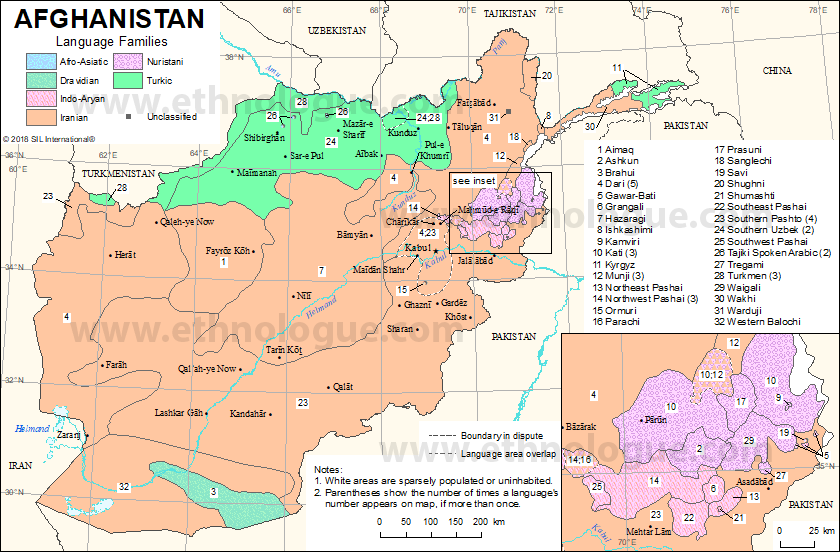
Afghanistan
Graphs
Language Vitality Profile
Full explanation
Language Status Profile
Full explanation
Resources
View Terms
Each Ethnologue country digest is a licensed product with restricted terms of use. Before downloading the product, you must agree to the following terms:
- This is a license for individual use. Just as with a conventionally published book, it is a violation of copyright to make a copy and give it to others.
- You may not redistribute this work in any form, including ingesting the contents into a database that is shared with others or posting it on a web site (whether public or private).
To inquire about permission for reuse or redistribution, please use the Contact Us form in the footer.
Digest of the languages of Afghanistan ($199.95, 42 page PDF)