
BT
Kingdom of Bhutan
Bhutan
Summary
- Official Name
- Kingdom of Bhutan
- Population
- 772,000
- Principal Languages
- Dzongkha, English
- Literacy Rate
- 67% (2017 UNESCO)
- International Conventions
- CSICH (2012)
- General References
- Coelho 1967, Matisoff 1991, Matisoff et al 1996, Singh 1972, Van Driem 1997, Van Driem 2007, White 1971
- Deaf Population
- 6,170
- Language Counts
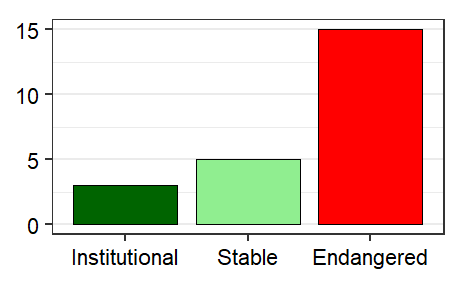
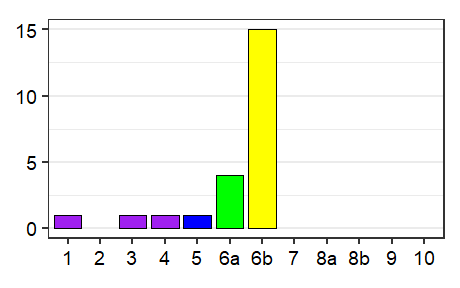
- The number of established languages listed for Bhutan is 23. All are living languages. Of these, 21 are indigenous and 2 are non-indigenous. Furthermore, 3 are institutional, 1 is developing, 4 are vigorous, and 15 are in trouble. Also listed are 4 unestablished languages.
Languages
- Assamese asm
- Scattered in south. Users: 26,200 in Bhutan (2021 Joshua Project), based on ethnicity. Status: Unestablished. Classification: Indo-European, Indo-Iranian, Indo-Aryan, Outer Languages, Eastern, Bengali-Assamese
- Bantawa bap
- Scattered in western border areas. Users: 19,200 in Bhutan (2002). Status: Unestablished. Used by Rai people dispersed in Bhutan. Classification: Sino-Tibetan, Tibeto-Burman, Western Tibeto-Burman, Himalayan, Kiranti, Eastern
- Bengali ben
- Users: 20,100 in Bhutan (2021 Joshua Project), based on ethnicity. Status: Unestablished. Classification: Indo-European, Indo-Iranian, Indo-Aryan, Outer Languages, Eastern, Bengali-Assamese
- Brokkat bro
- Bumthang district: north of Byakar Dzong monastery. Users: 300 (Van Driem 1993). Status: 6b (Threatened). Alternate Names: Brokskad, Jokay Classification: Sino-Tibetan, Tibeto-Burman, Western Tibeto-Burman, Bodish, Central Bodish, Central, Southern
- Brokpake sgt
- Trashigang district: Merak and Sakteng villages in east Sakteng valley. Users: 5,000 (2006 census). Status: 6b (Threatened). Alternate Names: Brokpa, Dakpa, Damilo, Dap, Drokpakay, Jobikha, Mera Sagtengpa, Meragsagstengkha, Mira Sagtengpa, Sagtengpa Classification: Sino-Tibetan, Tibeto-Burman, Western Tibeto-Burman, Bodish, Central Bodish, Central, Southern
- Bumthangkha kjz
- Bumthang district; southwest Lhuentse district; northwest Mongar district; north and west Trongsa district; possibly northeast border areas. Users: 20,000 (2011 SIL). Status: 6b* (Threatened). Alternate Names: Bhumtam, Bumtang, Bumtangkha, Bumtanp, Bumthang, Bumthapkha, Kebumtamp Classification: Sino-Tibetan, Tibeto-Burman, Western Tibeto-Burman, Bodish, East Bodish, Bumthang
- Chalikha tgf
- Mongar district: Gorsum, Tormazhong, and Wangmakhar villages; Chali area, east bank of Kurichhu river. Users: 1,500 (2011 SIL). Status: 6b* (Threatened). Alternate Names: Chali, Chalipkha, Tshali, Tshalingpa Classification: Sino-Tibetan, Tibeto-Burman, Western Tibeto-Burman, Bodish, East Bodish, Bumthang
- Chocangacakha cgk
- Lhuentse district: Autsho, Budur, Gorgen, Jarey, Karmashangshang, Kupinyelsa, Kurmet, Kurmey, Lingmithang, Minje, Tamochhu, Thridangbi, and Tormazhog; Mongar district: lower areas east of Dzongkha, Tsakaling, and Tsamang. Users: 30,000 (2011 SIL). Status: 6a* (Vigorous). Alternate Names: Chocangaca, Chocha Ngacha, Kursmadkha, Maphekha, Rtsamangpa’ikha, Tsagkaglingpa’ikha, Tsamang, rTsamangpa’i kha Classification: Sino-Tibetan, Tibeto-Burman, Western Tibeto-Burman, Bodish, Central Bodish, Central, Southern
- Dakpakha dka
- Trashigang district: Chaleng, Dangpholeng, Lengkhar, Phongmey, and Yobinang near Radhi; Brokpake area. Users: 2,000 (2011 SIL). Status: 6b* (Threatened). Alternate Names: Dakpa Classification: Sino-Tibetan, Tibeto-Burman, Western Tibeto-Burman, Bodish, East Bodish
- Dzalakha dzl
- Lhuentse district: northeast; Trashi-Yangtse district: all except south. Users: 22,000 (2011 SIL). Status: 6a* (Vigorous). Alternate Names: Dzala, Dzalamat, Yangtsebikha Classification: Sino-Tibetan, Tibeto-Burman, Western Tibeto-Burman, Bodish, East Bodish, Bumthang
- Dzongkha dzo
- Haa, Paro, Punakha, and Wangdue Phodrang districts. Users: 304,000 in Bhutan (2021 Joshua Project), based on ethnicity. Total users in all countries: 315,080. Status: 1 (National). Statutory national language (2008, Constitution, Article 1(8)). Alternate Names: Bhotia of Bhutan, Bhotia of Dukpa, Bhutanese, Drukha, Drukke, Dukpa, Jonkha, Zongkhar Autonym: རྫོང་ཁ་ (Dzongkha) Classification: Sino-Tibetan, Tibeto-Burman, Western Tibeto-Burman, Bodish, Central Bodish, Central, Southern
- English eng
- Widespread. Status: 3 (Wider communication). De facto national working language. Classification: Indo-European, Germanic, West, English
- Gongduk goe
- Mongar district: Gongdu Gewog division, Bala, Dagsa, Damkhar, Pam, Pangthang, and Yangbari. Users: 2,400 (2021 Joshua Project), based on ethnicity. Status: 6b (Threatened). Alternate Names: Gongdubikha Classification: Sino-Tibetan, Tibeto-Burman, Western Tibeto-Burman, Bodish
- Khengkha xkf
- Mongar district: southwest; eastern Sarpang and southeast Trongsa districts: smaller areas; Zhemgang district: widespread. Users: 65,000, all users. L1 users: 50,000 (2003 SIL). L2 users: 15,000. 30,000 monolinguals. Status: 6a (Vigorous). Alternate Names: Ken, Keng, Kenkha, Khen, Khenkha, Kyengkha Classification: Sino-Tibetan, Tibeto-Burman, Western Tibeto-Burman, Bodish, East Bodish, Bumthang
- Kurtokha xkz
- Lhuentse district: bounded by Kurichhu river east and north, Tangmachhu village south, and Rudong La pass west. Users: 15,000 (2011 SIL). Status: 6b* (Threatened). Alternate Names: Gurtü, Kurteopkha, Kurthopkha, Kurtobikha, Kurtopakha, Kurtotpikha, Kürthöpka Autonym: Kurtöp Classification: Sino-Tibetan, Tibeto-Burman, Western Tibeto-Burman, Bodish, East Bodish, Bumthang
- Kurux kru
- Chhukha and Samtse districts: probably scattered small groups. Users: 10,000 in Bhutan (2021 Joshua Project), based on ethnicity. Status: 6b* (Threatened). Alternate Names: Kurukh, Oraoan, Uraon Classification: Dravidian, Northern
- Lakha lkh
- Wangdue Phodrang district: central west, into Trongsa district. Users: 8,000 (Van Driem 1993). Status: 6b (Threatened). Alternate Names: Tshangkha Classification: Sino-Tibetan, Tibeto-Burman, Western Tibeto-Burman, Bodish, Central Bodish, Central, Southern
- Layakha lya
- Gasa district; Punakha district: Laya area; Thimphu district: Lingzhi Gewog. Users: 1,100 (2003). Status: 6b* (Threatened). Classification: Sino-Tibetan, Tibeto-Burman, Western Tibeto-Burman, Bodish, Central Bodish, Central, Southern
- Lepcha lep
- Samtse district: Amo river area, east and south lower valleys. Users: 2,900 in Bhutan (2021 Joshua Project), based on ethnicity. Status: 6b (Threatened). Alternate Names: Lapcha, Nünpa, Rongke, Rongpa, Róng, Róng-ríng, Róngkup Classification: Sino-Tibetan, Tibeto-Burman, Central Tibeto-Burman, Lepcha
- Lhokpu lhp
- Samtse district: Damtey, Loto Kuchu, Lotu, Sanglong, Sataka, and Taba villages between Samtsi and Phuntsoling. Users: 2,500 (Van Driem 1993). Status: 6b (Threatened). Alternate Names: Lhobikha, Taba-Damey-Bikha Classification: Sino-Tibetan, Tibeto-Burman, Western Tibeto-Burman, Bodish
- Lunanakha luk
- Gasa district: Lunana, on Pho Chhu river north from Punakha, right fork halfway up the valley. Users: 700 (1998). Status: 6b* (Threatened). Classification: Sino-Tibetan, Tibeto-Burman, Western Tibeto-Burman, Bodish, Central Bodish, Central, Southern
- Nepali npi
- Chhukha district: small border area; southwest Dagana district; especially west (Samtse), central (Sarpang) and east (southern Samdrup Jongkhar) districts; south Tsirang district. Users: 33,100 in Bhutan (2021 Joshua Project), based on ethnicity. Status: 5* (Dispersed). De facto language of provincial identity in entire length of foothills, especially south central region. Alternate Names: Eastern Pahari, Gorkhali, Gurkhali, Khaskura, Lhotshammikha, Nepalese, Parbatiya Classification: Indo-European, Indo-Iranian, Indo-Aryan, Intermediate Divisions, Eastern, Eastern Pahari
- Nupbikha npb
- Trongsa district: enclave south of Tongsa Dzong. Status: 6a* (Vigorous). Alternate Names: Trongsakha Classification: Sino-Tibetan, Tibeto-Burman, Western Tibeto-Burman, Bodish, East Bodish, Bumthang
- Nyenkha neh
- Trongsa district: Tangsibji sub-district and western areas; Wangdue Phodrang district: east. Users: 10,000 (2006 Royal Government of Bhutan). Status: 6b* (Threatened). Alternate Names: Henkha, Lap, Mangdhika, Mangsdekha, Upper Mangdep Classification: Sino-Tibetan, Tibeto-Burman, Western Tibeto-Burman, Bodish, East Bodish, Bumthang
- Olekha ole
- Trongsa district: 3 enclaves west of Mangde river; Wangdue Phodrang district: Adha, Jangji, Rukha, Thrumzur, and Wangling villages; dialects separated by the Black mountains. Users: 500 (Van Driem 2007). Status: 6b (Threatened). Alternate Names: Black Mountain Language, Monkha, Monpa, Ole Mönpa Classification: Sino-Tibetan, Tibeto-Burman, Western Tibeto-Burman, Bodish
- Santhali sat
- Users: 5,300 in Bhutan (2021 Joshua Project), based on ethnicity. Status: Unestablished. Classification: Austro-Asiatic, Munda, North Munda, Kherwari, Santali
- Tshangla tsj
- Mongar district: east; Pemagatshel district: east; Samdrup Jongkhar and Trashigang districts; Trashi-Yangtse district: south. Users: 163,000 in Bhutan (2021 Joshua Project), based on ethnicity. Total users in all countries: 181,200. Status: 3 (Wider communication). De facto language of provincial identity in eastern and southeastern Bhutan. Alternate Names: Central Monpa, Menba, Monpa, Sangla, Sarchapkkha, Shachobiikha, Shachopkha, Sharchagpakha, Sharchhokpa, Sharchhop, Sharchokpa-lo, Tsangla, Tschanglo, Tshalingpa Autonym: ཆང་ལོ་ (Tshanglo) Classification: Sino-Tibetan, Tibeto-Burman, Western Tibeto-Burman, Bodish
Languages by Status
Dzongkha
[dzo] 1 (National). Statutory national language (2008, Constitution, Article 1(8)). 304,000 in Bhutan (2021 Joshua Project), based on ethnicity. Total users in all countries: 315,080.
English
[eng] 3 (Wider communication). De facto national working language.
Tshangla
[tsj] 3 (Wider communication). De facto language of provincial identity in eastern and southeastern Bhutan. 163,000 in Bhutan (2021 Joshua Project), based on ethnicity. Total users in all countries: 181,200.
Nepali
[npi] 5* (Dispersed). De facto language of provincial identity in entire length of foothills, especially south central region. 33,100 in Bhutan (2021 Joshua Project), based on ethnicity.
Chocangacakha
[cgk] 6a* (Vigorous). 30,000 (2011 SIL).
Dzalakha
[dzl] 6a* (Vigorous). 22,000 (2011 SIL).
Khengkha
[xkf] 6a (Vigorous). 65,000, all users. L1 users: 50,000 (2003 SIL). L2 users: 15,000. 30,000 monolinguals.
Nupbikha
[npb] 6a* (Vigorous).
Brokkat
[bro] 6b (Threatened). 300 (Van Driem 1993).
Brokpake
[sgt] 6b (Threatened). 5,000 (2006 census).
Bumthangkha
[kjz] 6b* (Threatened). 20,000 (2011 SIL).
Chalikha
[tgf] 6b* (Threatened). 1,500 (2011 SIL).
Dakpakha
[dka] 6b* (Threatened). 2,000 (2011 SIL).
Gongduk
[goe] 6b (Threatened). 2,400 (2021 Joshua Project), based on ethnicity.
Kurtokha
[xkz] 6b* (Threatened). 15,000 (2011 SIL).
Kurux
[kru] 6b* (Threatened). 10,000 in Bhutan (2021 Joshua Project), based on ethnicity.
Lakha
[lkh] 6b (Threatened). 8,000 (Van Driem 1993).
Layakha
[lya] 6b* (Threatened). 1,100 (2003).
Lepcha
[lep] 6b (Threatened). 2,900 in Bhutan (2021 Joshua Project), based on ethnicity.
Lhokpu
[lhp] 6b (Threatened). 2,500 (Van Driem 1993).
Lunanakha
[luk] 6b* (Threatened). 700 (1998).
Nyenkha
[neh] 6b* (Threatened). 10,000 (2006 Royal Government of Bhutan).
Olekha
[ole] 6b (Threatened). 500 (Van Driem 2007).
Assamese
[asm] Unestablished. 26,200 in Bhutan (2021 Joshua Project), based on ethnicity.
Bantawa
[bap] Unestablished. Used by Rai people dispersed in Bhutan. 19,200 in Bhutan (2002).
Bengali
[ben] Unestablished. 20,100 in Bhutan (2021 Joshua Project), based on ethnicity.
Santhali
[sat] Unestablished. 5,300 in Bhutan (2021 Joshua Project), based on ethnicity.
Maps
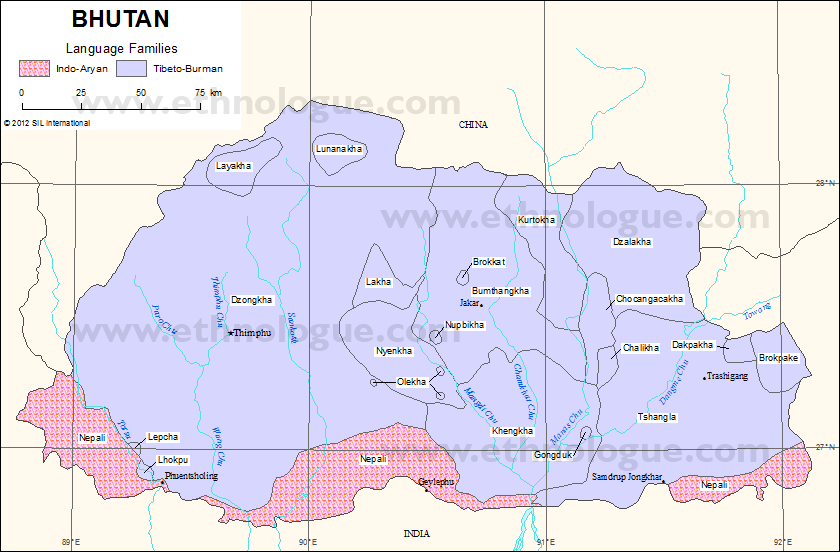
Bhutan
Graphs
Language Vitality Profile
Full explanation
Language Status Profile
Full explanation
Resources
View Terms
Each Ethnologue country digest is a licensed product with restricted terms of use. Before downloading the product, you must agree to the following terms:
- This is a license for individual use. Just as with a conventionally published book, it is a violation of copyright to make a copy and give it to others.
- You may not redistribute this work in any form, including ingesting the contents into a database that is shared with others or posting it on a web site (whether public or private).
To inquire about permission for reuse or redistribution, please use the Contact Us form in the footer.
Digest of the languages of Bhutan ($149.95, 27 page PDF)