
EC
Ecuador
Summary
- Official Name
- Population
- 17,968,000
- Principal Languages
- Spanish
- Literacy Rate
- 94% (2016 World Factbook)
- International Conventions
- CDE (1960), CPPDCE (2006), CSICH (2012), ICCPR (1966), (), UNCRPD (2006), UNDRIP (2007)
- General References
- Adelaar 1991, Campbell 1997, Crevels 2007, Haboud 2003
- Deaf Population
- 213,000 (2011 Consejo Nacional de Discapacidades)
- Language Counts
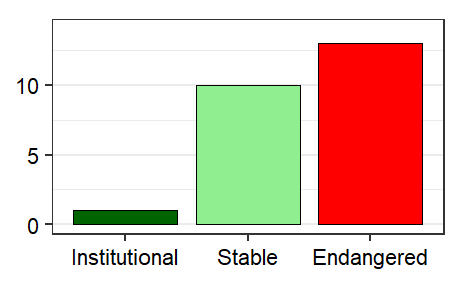
- The number of established languages listed for Ecuador is 25. Of these, 24 are living and 1 is extinct. Of the living languages, 21 are indigenous and 3 are non-indigenous. Furthermore, 1 is institutional, 9 are developing, 1 is vigorous, 9 are in trouble, and 4 are dying. Also listed is 1 unestablished language.
Languages
- Achuar-Shiwiar acu
- Morona-Santiago province: Taisha canton, Huasaga; Pastaza province: Pastaza canton, Montalvo and Simón Bolívar communities. Between Conambo, Macuma, and Pindoyacu rivers, north to Achuar, Alto Corrientes, and Pindoyacu communities, south to Peru border. Users: 3,520 in Ecuador (Crevels 2012). 2,940 Achuar and 580 Shiwiar (Crevels 2012). Ethnic population: 6,200 (2012 UNSD). Total users in all countries: 7,940. Status: 5 (Developing). Alternate Names: Achiar chícham, Achual, Achuale, Achuar, Achuar-Shiviar, Achuar-Shiwiara, Achuara, Achuare, Ashuar, Atchuara, Jivaro, Áints Autonym: Achuár chícham Classification: Jivaroan, Jívaro
- Awa-Cuaiquer kwi
- Carchi and Esmeraldas provinces: extreme north, Andes west slopes, Colombia-Ecuador border, Mira river area. Users: 2,100 in Ecuador (Crevels 2012), decreasing. 1,000 monolinguals. Most monolinguals are women or children under age 16. Ethnic population: 3,130 (2012 UNSD). Status: 6b (Threatened). Alternate Names: Awa, Awa Pit, Awapit, Cuaiquer, Înkal Awa Classification: Barbacoan, Northern
- Chachi cbi
- Esmeraldas province: Cayapas river and tributaries (Canandé, Cojimíes, Onzole, Sucio, and others), north coastal jungle. Users: 5,870 (Crevels 2012). Ethnic population: 9,390 (2012 UNSD). Status: 6b* (Threatened). Alternate Names: Cayapa, Cha’ Palaachi, Cha’palaachi, Chachilla, Kayapa Autonym: Cha’Palaa Classification: Barbacoan, Southern
- Chinese zho
- Users: 7,000 in Ecuador. Status: Unestablished.
- Cofán con
- Napo province: near Santa Rosa de Sucumbíos, and down Aguarico river 130 km; Sucumbíos province; 5 main centers in Colombia and Ecuador border areas. Users: 640 in Ecuador (Crevels 2012), increasing. Many monolinguals. Ethnic population: 1,080 (2012 UNSD). Total users in all countries: 1,020. Status: 5 (Developing). Alternate Names: A’i, Kofane, Kofán Autonym: A’ingae Classification: Language isolate
- Ecuadorian Sign Language ecs
- Scattered. Users: 50,000 (2021 DBS/DOOR/SIL). Estimated 30,000–70,000 signing deaf, assuming 0.2%–0.4% of the total population. Ethnic population: 65,800 (2019 Consejo Nacional para la Igualdad de Discapacidades). Status: 5 (Developing). Recognized language (2008, Constitution, Article 47(11)), Guarantees access to alternative communication mechanisms, including sign language. Alternate Names: LSEC, Lengua de Señas de Ecuador Classification: Sign language, Deaf community sign language
- Epena sja
- Esmeraldas province: Borbón town on Santiago river delta; northern Pacific coast. Users: 52 in Ecuador (Crevels 2012). Ethnic population: 510 (2012 UNSD). Status: 8a (Moribund). Alternate Names: Cholo, Emberá, Emberá Chami, Emberá del Sur, Emberá-Saija, Epená Saija, Epera Pedede, Eperã pedee, Epéna Pedée, Saija, Siapedie, Southern Embera, Southern Empera, Êpera Classification: Chocoan, Emberá, Southern Emberá
- German, Standard deu
- Pichincha province: Quito. Users: 43,000 in Ecuador (2020 Joshua Project), based on ethnicity. Status: 5* (Dispersed). Alternate Names: Alemán, Deutsch Classification: Indo-European, Germanic, West, High German, German, Middle German, East Middle German
- Media Lengua mue
- Cotopaxi province: Latacunga canton; Tungurahua province: Santiago de Pillaro canton, border area. Users: 2,600 (Gómez-Rendón 2008). No monolinguals. Status: 6b (Threatened). Alternate Names: Chapu-shimi, Chaupi-lengua, Chaupi-shimi, Quichuañol, Uchilla-shimi, “Llanga-shimi” (pej.) Classification: Mixed language, Spanish-Quichua
- Paicoca sey
- Sucumbíos province: Cuyabeno canton; Aguarico, Cuyabeno, and Eno rivers, near Colombian border. Users: 950 in Ecuador (2021 S. Rodas), increasing. 660 monolinguals (2021 S. Rodas). Ethnic population: 950 (2021 S. Rodas). Total users in all countries: 1,870. Status: 5 (Developing). Alternate Names: Pai Coca, Pai Koka, Paikoka, Secoya, Siona-Secoya Autonym: Paicoca Classification: Tucanoan, Western Tucanoan, Macaguaje
- Quichua, Calderón Highland qud
- Cotopaxi province and Napo provinces; Pichincha province: Calderon, Cayambe and Quito areas. Users: 25,000 (1987 SIL). Ethnic population: 35,000 (2000). Total Quichua in Ecuador: 408,000 (Crevels 2012). Status: 6b (Threatened). Alternate Names: Calderón Quichua, Cayambe Quichua, Kichwa, Pichincha Quichua, Quichua de la Sierra Cayambe, Salcedo Quichua Autonym: Kichwa Shimi Classification: Quechuan, Peripheral Quechua, Chinchay, Northern Chinchay
- Quichua, Cañar Highland qxr
- Azuay, Cañar, and Chimborazo provinces; Morona-Santiago province: Morona canton. Users: 100,000 (1991 UBS). Total Quichua in Ecuador: 408,000 (Crevels 2012). Status: 6b* (Threatened). Alternate Names: Cañar Quichua, Kichwa, Quichua de la provincia de Cañar Autonym: Kichwa Shimi Classification: Quechuan, Peripheral Quechua, Chinchay, Northern Chinchay
- Quichua, Chimborazo Highland qug
- Bolivar, Chimborazo, and Cotopaxi provinces; Tungurahua province: west of Ambato; central highlands. Users: 800,000 (2010 UBS). Total Quichua in Ecuador: 408,000 (Crevels 2012). High percentage of monolinguals. Status: 5* (Developing). Recognized language (2008, Constitution, Article 2). Alternate Names: Central Highland Quichua, Chimborazo Quichua, Ecuadorean Quechua, Kichwa, Kichwa de la Sierra, Quichua Serrano Central, Quichua de Chimborazo, Quichua de la Sierra, Quichua de la Sierra Chimborazo Autonym: Kichwa Shimi Classification: Quechuan, Peripheral Quechua, Chinchay, Northern Chinchay
- Quichua, Imbabura Highland qvi
- Imbabura province; Pichincha province: extreme northern part around Cayambe, northern highlands. Users: 150,000 (Gómez-Rendón 2007). Total Quichua in Ecuador: 408,000 (Crevels 2012). Many monolinguals. Status: 5 (Developing). Alternate Names: Imbabura Quichua, Kichwa, Kichwa de la Sierra, Otavalo Quichua, Quichua de la Sierra Imbabura Autonym: Kichwa Shimi Classification: Quechuan, Peripheral Quechua, Chinchay, Northern Chinchay
- Quichua, Loja Highland qvj
- Azuay province; El Oro province: Portovelo and Zeruma cantons; Loja province: Sarragaro area; Zamora-Chinchipe province: Yacuambi canton, sizable community in Zamora city; southern highlands. Users: 30,500 (2000). Total Quichua in Ecuador: 408,000 (Crevels 2012). Status: 8a (Moribund). Alternate Names: Azuay Quichua, Loja Quichua, Saraguro Quichua Classification: Quechuan, Peripheral Quechua, Chinchay, Northern Chinchay
- Quichua, Napo Lowland qvo
- Orellana and Sucumbíos provinces; eastern jungle along Aguarico, Napo, and Putomayo rivers, concentrated near schools. Users: 14,000 in Ecuador (2009), increasing. Total Quichua in Ecuador: 408,000 (Crevels 2012). 800 monolinguals. Status: 5 (Developing). Alternate Names: Ecuador Quichua, Ingano, Kichua, Kichwa, Kichwa Shimi, Lowland Napo Quichua, Napo Kichwa, Napo Kichwa shimi, Napo Quichua, Quichua del Napo, Quichua del Oriente, Runa Shimi Classification: Quechuan, Peripheral Quechua, Chinchay, Northern Chinchay
- Quichua, Northern Pastaza qvz
- Pastaza province: eastern jungle along Bobonaza and Conambo rivers. Users: 8,000 in Ecuador (2007), decreasing. Total Quichua in Ecuador: 408,000 (Crevels 2012). 300 monolinguals. Total users in all countries: 10,000. Status: 6b (Threatened). Alternate Names: Alama, Bobonaza Quichua, Canelos Quichua, Pastaza Quichua, Quichua del Oriente, Sarayacu Quichua Classification: Quechuan, Peripheral Quechua, Chinchay, Northern Chinchay
- Quichua, Salasaca Highland qxl
- Tungurahua province: immediate area around the towns of Salasaca and Pelileo, west of the Cutuchi river. Users: 14,300 (2000). Total Quichua in Ecuador: 408,000 (Crevels 2012). 3,580 monolinguals. Children 0–5 and older adults. Status: 6a (Vigorous). Alternate Names: Kichwa, Salasaca Quichua, Salasaka Quichua, Tungurahua Highland Quichua, Tungurahua Quichua Autonym: Runa Shimibi, Salasaca Shimibi Classification: Quechuan, Peripheral Quechua, Chinchay, Northern Chinchay
- Quichua, Tena Lowland quw
- Napo province; Orellana province: Loreto canton; Pastaza province: north border. Eastern jungle. Users: 20,000 (1999 SIL), decreasing. Total Quichua in Ecuador: 408,000 (Crevels 2012). Status: 6b (Threatened). Alternate Names: Napo Kichwa, Quichua de Tena, Quichua del Oriente, Quijo, Quixo, Tena Kichwa, Yumbo Autonym: Runa Shimi Classification: Quechuan, Peripheral Quechua, Chinchay, Northern Chinchay
- Shuar jiv
- Morona-Santiago province: east of Cuenca city. Users: 42,300 (Crevels 2012). Ethnic population: 61,900 (2012 UNSD). Status: 5* (Developing). Recognized language (2008, Constitution, Article 2). Alternate Names: Chicham, Shiwar chicham, Shuara, Siurra, Siwora, “Chiwaro” (pej.), “Jibaro” (pej.), “Jivaro” (pej.), “Xivaro” (pej.) Autonym: Shuar chicham Classification: Jivaroan, Jívaro
- Siona snn
- Sucumbíos province: Biaña, Puerto Bolívar and Orawaya communities; Putamayo river south bank. Users: 260 in Ecuador (Crevels 2012). Ethnic population: 610 (2010 census). Status: 8a (Moribund). Alternate Names: Baicoca, Gantëya coca, Kokakañú, Pai Coca Classification: Tucanoan, Western Tucanoan, Macaguaje
- Spanish spa
- Users: 16,990,000 in Ecuador, all users. L1 users: 16,100,000 in Ecuador (2019). L2 users: 890,000 (2019). Status: 1 (National). Statutory national language (2008, Constitution, Article 2). Alternate Names: Castellano, Español Classification: Indo-European, Italic, Romance, Italo-Western, Western, Gallo-Iberian, Ibero-Romance, West Iberian, Castilian
- Tetete teb
- Sucumbíos province: near Colombia border, eastern Cofán jungle area. Users: No known L1 speakers. Last known speakers survived into the 1970s. Status: 10 (Extinct). Classification: Tucanoan, Western Tucanoan
- Tsafiki cof
- Santo Domingo de los Tsáchilas province: provincial capital area. Users: 1,870 (Crevels 2012). Some monolingual in remote communities. Ethnic population: 2,840 (2012 UNSD). Status: 6b (Threatened). Alternate Names: Colorado, Tsachela, Tsachila, Tsafiqui Autonym: Tsafiki Classification: Barbacoan, Southern
- Waorani auc
- Orellana province: south from Tiputini river, including portions of Yasuní National Park; Pastaza province: Arajuno and Pastaza cantons including a small group near Puyo community; Napo province; eastern jungle between Napo and Curaray rivers. Users: 1,650 (2004). Ethnic population: 2,420 (2010 census). Status: 6b (Threatened). Alternate Names: Huao, Huao Auca, Huaorani, Sabela, Wao, Wao Terero, Wao Tiriro, Waodäni, Waodäni Tededö, Waos, Waotededo, “Auca” (pej.) Autonym: Wao Tededö Classification: Language isolate
- Záparo zro
- Pastaza province: Peru border, between Curaray and Bobonaza rivers. Users: 3 (2011 P. McLaren). 5 semi-speakers, all in their 80s (2011 P. McLaren). Ethnic population: 350 (Crevels 2012). Status: 8b (Nearly extinct). Alternate Names: Kayapi, Kayapwe, Sápara, Sáparo-Konambo, Zaparo, Zápara Classification: Zaparoan, Záparo
Languages by Status
Spanish
[spa] 1 (National). Statutory national language (2008, Constitution, Article 2). 16,990,000 in Ecuador, all users. L1 users: 16,100,000 in Ecuador (2019). L2 users: 890,000 (2019).
German, Standard
[deu] 5* (Dispersed). 43,000 in Ecuador (2020 Joshua Project), based on ethnicity.
Achuar-Shiwiar
[acu] 5 (Developing). 3,520 in Ecuador (Crevels 2012). 2,940 Achuar and 580 Shiwiar (Crevels 2012). Ethnic population: 6,200 (2012 UNSD). Total users in all countries: 7,940.
Cofán
[con] 5 (Developing). 640 in Ecuador (Crevels 2012), increasing. Many monolinguals. Ethnic population: 1,080 (2012 UNSD). Total users in all countries: 1,020.
Ecuadorian Sign Language
[ecs] 5 (Developing). Recognized language (2008, Constitution, Article 47(11)), Guarantees access to alternative communication mechanisms, including sign language. 50,000 (2021 DBS/DOOR/SIL). Estimated 30,000–70,000 signing deaf, assuming 0.2%–0.4% of the total population. Ethnic population: 65,800 (2019 Consejo Nacional para la Igualdad de Discapacidades).
Paicoca
[sey] 5 (Developing). 950 in Ecuador (2021 S. Rodas), increasing. 660 monolinguals (2021 S. Rodas). Ethnic population: 950 (2021 S. Rodas). Total users in all countries: 1,870.
Quichua, Chimborazo Highland
[qug] 5* (Developing). Recognized language (2008, Constitution, Article 2). 800,000 (2010 UBS). Total Quichua in Ecuador: 408,000 (Crevels 2012). High percentage of monolinguals.
Quichua, Imbabura Highland
[qvi] 5 (Developing). 150,000 (Gómez-Rendón 2007). Total Quichua in Ecuador: 408,000 (Crevels 2012). Many monolinguals.
Quichua, Napo Lowland
[qvo] 5 (Developing). 14,000 in Ecuador (2009), increasing. Total Quichua in Ecuador: 408,000 (Crevels 2012). 800 monolinguals.
Shuar
[jiv] 5* (Developing). Recognized language (2008, Constitution, Article 2). 42,300 (Crevels 2012). Ethnic population: 61,900 (2012 UNSD).
Quichua, Salasaca Highland
[qxl] 6a (Vigorous). 14,300 (2000). Total Quichua in Ecuador: 408,000 (Crevels 2012). 3,580 monolinguals. Children 0–5 and older adults.
Awa-Cuaiquer
[kwi] 6b (Threatened). 2,100 in Ecuador (Crevels 2012), decreasing. 1,000 monolinguals. Most monolinguals are women or children under age 16. Ethnic population: 3,130 (2012 UNSD).
Chachi
[cbi] 6b* (Threatened). 5,870 (Crevels 2012). Ethnic population: 9,390 (2012 UNSD).
Media Lengua
[mue] 6b (Threatened). 2,600 (Gómez-Rendón 2008). No monolinguals.
Quichua, Calderón Highland
[qud] 6b (Threatened). 25,000 (1987 SIL). Ethnic population: 35,000 (2000). Total Quichua in Ecuador: 408,000 (Crevels 2012).
Quichua, Cañar Highland
[qxr] 6b* (Threatened). 100,000 (1991 UBS). Total Quichua in Ecuador: 408,000 (Crevels 2012).
Quichua, Northern Pastaza
[qvz] 6b (Threatened). 8,000 in Ecuador (2007), decreasing. Total Quichua in Ecuador: 408,000 (Crevels 2012). 300 monolinguals. Total users in all countries: 10,000.
Quichua, Tena Lowland
[quw] 6b (Threatened). 20,000 (1999 SIL), decreasing. Total Quichua in Ecuador: 408,000 (Crevels 2012).
Tsafiki
[cof] 6b (Threatened). 1,870 (Crevels 2012). Some monolingual in remote communities. Ethnic population: 2,840 (2012 UNSD).
Waorani
[auc] 6b (Threatened). 1,650 (2004). Ethnic population: 2,420 (2010 census).
Epena
[sja] 8a (Moribund). 52 in Ecuador (Crevels 2012). Ethnic population: 510 (2012 UNSD).
Quichua, Loja Highland
[qvj] 8a (Moribund). 30,500 (2000). Total Quichua in Ecuador: 408,000 (Crevels 2012).
Siona
[snn] 8a (Moribund). 260 in Ecuador (Crevels 2012). Ethnic population: 610 (2010 census).
Záparo
[zro] 8b (Nearly extinct). 3 (2011 P. McLaren). 5 semi-speakers, all in their 80s (2011 P. McLaren). Ethnic population: 350 (Crevels 2012).
Tetete
[teb] 10 (Extinct). No known L1 speakers. Last known speakers survived into the 1970s.
Chinese
[zho] Unestablished. 7,000 in Ecuador.
Maps
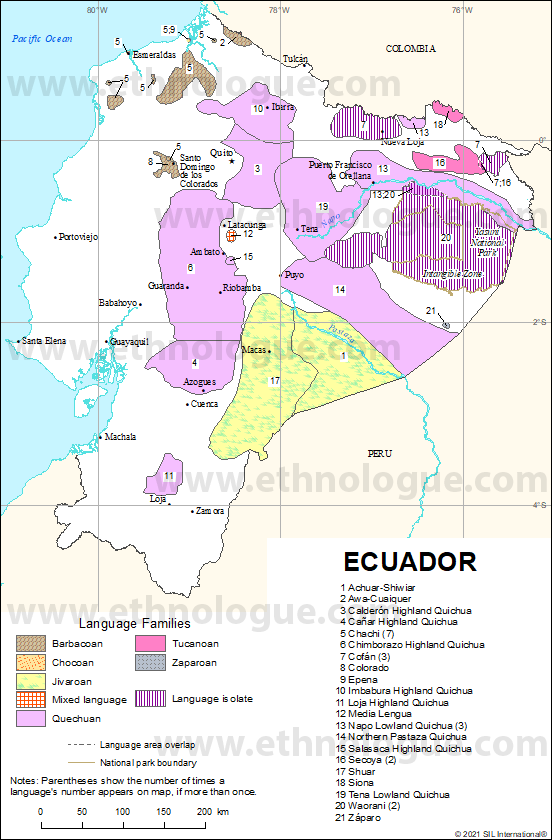
Ecuador
Graphs
Language Vitality Profile
Full explanation
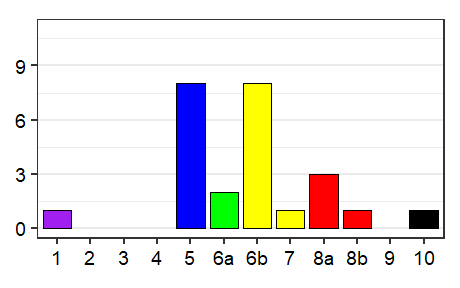
Language Status Profile
Full explanation
Resources
View Terms
Each Ethnologue country digest is a licensed product with restricted terms of use. Before downloading the product, you must agree to the following terms:
- This is a license for individual use. Just as with a conventionally published book, it is a violation of copyright to make a copy and give it to others.
- You may not redistribute this work in any form, including ingesting the contents into a database that is shared with others or posting it on a web site (whether public or private).
To inquire about permission for reuse or redistribution, please use the Contact Us form in the footer.
Digest of the languages of Ecuador ($149.95, 34 page PDF)