
IQ
Republic of Iraq
Iraq
Summary
- Official Name
- Republic of Iraq
- Population
- 41,191,000
- Principal Languages
- Central Kurdish, Mesopotamian Spoken Arabic, Northern Kurdish, Standard Arabic
- Literacy Rate
- 86% (2017 UNESCO)
- International Conventions
- CDE (1960), CPPDCE (2006), CSICH (2012), ICCPR (1966), UNCRPD (2006), UNDRIP (2007)
- General References
- Fischer and Jastrow 1980, Jastrow 1978, Johnstone 1967, Kloss and McConnell 1974, Sebeok 1963
- Deaf Population
- 200,000
- Language Counts
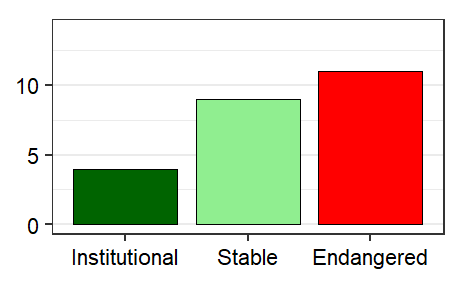
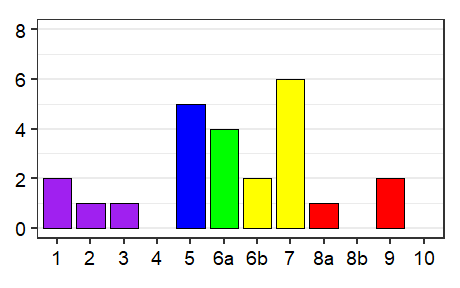
- The number of established languages listed for Iraq is 24. All are living languages. Of these, 14 are indigenous and 10 are non-indigenous. Furthermore, 5 are institutional, 4 are developing, 4 are vigorous, 8 are in trouble, and 3 are dying. Also listed are 6 unestablished languages and 2 macrolanguages.
Languages
- Adyghe ady
- Baghdad, Diyala, As Sulaymaniyah, and At Ta’mim (Kirkuk) governorates; scattered communities. Users: 40,000 in Iraq (2020). Status: 5* (Developing). Alternate Names: Adygey, West Circassian Classification: Abkhaz-Adyghe, Circassian
- Arabic, Egyptian Spoken arz
- Users: 472,000 in Iraq (2020). Status: Unestablished. Classification: Afro-Asiatic, Semitic, Central, South, Arabic
- Arabic, Gulf Spoken afb
- Al Basrah governorate: south of Basrah city, near Persian Gulf. Users: 79,000 in Iraq (2020). Status: 6a* (Vigorous). Alternate Names: Gulf Arabic Classification: Afro-Asiatic, Semitic, Central, South, Arabic
- Arabic, Judeo-Iraqi yhd
- Scattered. Users: 120 in Iraq (1992 H. Mutzafi). Status: 8a (Moribund). Alternate Names: Iraqi Judeo-Arabic, Jewish Iraqi-Baghdadi Arabic, Yahudic Classification: Afro-Asiatic, Semitic, Central, South, Arabic
- Arabic, Mesopotamian Spoken acm
- Al Anbar governorate: Al-Q’aim district, small area; Al Basrah, Al Muthanna, Al Qadisiyah, An Najaf, Babil, Baghdad, Dhi Qar, Diyala, Karbala’, Maysan, and Wasit governorates. Users: 16,000,000 in Iraq (2020). Total users in all countries: 18,067,850. Status: 3 (Wider communication). De facto national working language. Originated in Mesopotamia, spread throughout the Middle East. Lingua franca of the whole region before the 7th century. Used in most everyday domains. Alternate Names: Arabic, Baghdadi, Furati, Iraqi Arabic, Mesopotamian Gelet Arabic Autonym: اللهجة العراقية (allahjat aleiraqia) Classification: Afro-Asiatic, Semitic, Central, South, Arabic
- Arabic, Najdi Spoken ars
- Widespread; Al Anbar, Al Muthanna, and An Najaf governorates: western desert, (Central Najdi dialect); Ninawa governorate: south between the rivers to the Syrian border (North Najdi dialect); Al Basrah, Al Qadisiyah, Babil, Dhi Qar, Ninawa, An Najaf, and Salah ad Din governorates. Users: 1,730,000 in Iraq (2020). Status: 6a* (Vigorous). Alternate Names: Najdi Classification: Afro-Asiatic, Semitic, Central, South, Arabic
- Arabic, North Levantine Spoken apc
- Users: 21,200 in Iraq (2020). Status: Unestablished. Classification: Afro-Asiatic, Semitic, Central, South, Arabic
- Arabic, North Mesopotamian Spoken ayp
- Al Anbar, Arbil, As Sulaymaniyah, Diyala, Kirkuk, Ninawa, and Salah ad Din governorates: Tigris and Euphrates valleys north of Baghdad; An Najaf, Al Qadisiyah, and Babil governorates: border area northeast of An-Najaf. Users: 8,900,000 in Iraq (2020). Total users in all countries: 10,263,460. Status: 6a* (Vigorous). De facto language of provincial identity in Kurdistan Region. Alternate Names: Maslawi, Mesopotamian Qeltu Arabic, Moslawi, Syro-Mesopotamian Vernacular Arabic Autonym: مصلاوي (Maslawi) Classification: Afro-Asiatic, Semitic, Central, South, Arabic
- Arabic, Standard arb
- Widespread. Users: 27,200,000 in Iraq (2015 SIL), all users. Status: 1 (National). Statutory national language (2005, Constitution, Article 4(1)). Classification: Afro-Asiatic, Semitic, Central, South, Arabic
- Armenian, Western hyw
- Al Basrah, Baghdad, Dahuk, Kirkuk, and Ninawa governorates. Users: 70,000 in Iraq (2020). Status: 7 (Shifting). Recognized language (2005, Constitution, Article 4(1)). Classification: Indo-European, Armenian
- Assyrian Neo-Aramaic aii
- Dahuk and Ninawa governorates: 2 areas, one northeast of Buhayrat al Mawsil, the other, at Turkish border; scattered in Al Basrah, Arbil, Baghdad, and Kirkuk governorates. Users: 179,000 in Iraq (2020). Ethnic population: 4,250,000 (1994). Total users in all countries: 593,820. Status: 6b* (Threatened). Recognized language (2005, Constitution, Article 4(1)), constitutional term: Syriac. Unevenly recognized except in Kurdistan Region. Alternate Names: Assyrian, Assyrianci, Lishana Aturaya, Neo-Syriac, Sooreth, Suret, Sureth, Suryaya Swadaya Autonym: ܐܬܘܪܝܐ (Ātūrāyā), ܣܘܪܬ (Sūrët) Classification: Afro-Asiatic, Semitic, Central, Aramaic, Eastern, Central, Northeastern
- Azerbaijani, South azb
- Kirkuk and Arbil governorates: Arbil and Kirkuk and area between them (As Sulaymaniyah), Sar Qal’ah area near Diyala border; Ninawa governorate: Mosul area. Users: 2,400,000 in Iraq (2020). Status: 5* (Dispersed). Recognized language (2005, Constitution, Article 4(1)), constitutional term: Turkmen. Unevenly recognized except in Kurdistan Region. Alternate Names: Azeri, Turk, Turkmen Classification: Turkic, Southern, Azerbaijani
- Bajelani bjm
- Ninawa governorate: Bin Qudra, Qasr-e Shirin, Quratu, Zohâb, north of Khanaqin; Kurdish areas. Users: 69,400 (2020). Status: 7 (Shifting). Alternate Names: Bajalani, Bajoran, Bejwan, Chichamachu, Gurani Classification: Indo-European, Indo-Iranian, Iranian, Western, Northwestern, Zaza-Gorani
- Chaldean Neo-Aramaic cld
- Dahuk and Ninawa governorates. Users: 85,800 in Iraq (2020). Total users in all countries: 232,480. Status: 7 (Shifting). Recognized language (2005, Constitution, Article 4(1)), constitutional term: Syriac. Unevenly recognized except in Kurdistan Region. Alternate Names: Chaldean, Fallani, Fellihi, Kaldaya, Kildani, Lishana Kaldaya, Modern Chaldean, Neo-Chaldean, Soorath, Soorith, Suras, Sureth Classification: Afro-Asiatic, Semitic, Central, Aramaic, Eastern, Central, Northeastern
- Chechen che
- Users: 12,000 in Iraq (2020). Status: Unestablished. Classification: Nakh-Daghestanian, Nakh, Chechen-Ingush
- English eng
- Users: 14,103,500 in Iraq, all users. L1 users: 3,500 in Iraq (2021 Joshua Project), based on ethnicity. L2 users: 14,100,000 (Ramaswami et al 2012). Status: 4 (Educational). Classification: Indo-European, Germanic, West, English
- Koy Sanjaq Surat kqd
- Arbil governorate: Armota, Koi-Sanjaq. Users: 800 (1995 H. Mutzafi). Status: 6b* (Threatened). Alternate Names: Koi Sanjaq Soorit, Koi-Sanjaq Sooret, Koy Sanjaq Sooret, Koy Sanjaq Soorit, Surat Classification: Afro-Asiatic, Semitic, Central, Aramaic, Eastern, Central, Northeastern
- Kurdish kur
- Users: Population total all languages (L1 only): 24,709,170. Status:
- Kurdish, Central ckb
- Arbil, As Sulaymaniyah, At Ta’mim (Kirkuk), and Diyala governorates; Salah ad Din governorate: east of Tuz Khurmatu; all areas are south of Great Zab river; diaspora communities elsewhere. Users: 4,700,000 in Iraq (2020). Total users in all countries: 5,266,050. Status: 1 (National). Statutory national language (2005, Constitution, Article 4(1)). Alternate Names: Kurdi, Sorani Autonym: زمانێ سۆرانی (zimanê soranî) Classification: Indo-European, Indo-Iranian, Iranian, Western, Northwestern, Kurdish
- Kurdish, Northern kmr
- Arbil, Dahuk, and Ninawa governorates: north of Great Zab river. Great Zab river area (Surchi dialect). Users: 4,040,000 in Iraq (2020). Status: 1 (National). Statutory national language (2005, Constitution, Article 4(1)). Alternate Names: Badinani, Badînî, Bahdini, Behdînî, Ezdiki, Kirmanciya Jori, Kurmanji Classification: Indo-European, Indo-Iranian, Iranian, Western, Northwestern, Kurdish
- Kurdish, Southern sdh
- Diyala, Maysan, and Wasit governorates: Iran border area east of Baghdad. Status: 6a* (Vigorous). Alternate Names: Kurdî Xwarîn Classification: Indo-European, Indo-Iranian, Iranian, Western, Northwestern, Kurdish
- Macho hac
- As Sulaymaniyah: Halabja governorate east of Sulaymaniyah, Topzawa near Tawuq, pockets from Khanaqin to Mosul. Users: 120,000 in Iraq (Paul 2007). Population provisionally estimated to be one-third of the 300,000 speakers in Iran and Iraq (2007 L. Paul). Status: 6b (Threatened). Alternate Names: Gorani, Gurani, Hawramani, Hawrami, Hewrami, Macho-Zwani Classification: Indo-European, Indo-Iranian, Iranian, Western, Northwestern, Zaza-Gorani
- Mandaic mid
- Scattered in Al Basrah and Baghdad governorates. Users: No known L1 speakers in Iraq. Ethnic population: 30,000. Status: 9 (Dormant). Alternate Names: Mandaayi, Mandaean, Mandi, Mandini, Modern Mandaic, Neo-Mandaic, Sabe’in, Sabean, Subbi Classification: Afro-Asiatic, Semitic, Central, Aramaic, Eastern, Mandaic
- Mandaic, Classical myz
- Al Basrah. Users: No known L1 speakers in Iraq. Ethnic population: No ethnic community. Status: 9 (Second language only). Classification: Afro-Asiatic, Semitic, Central, Aramaic, Eastern, Mandaic
- Persian, Iranian pes
- Al Basrah, Diyala, Maysan, and Wasit governorates: Iran border area. Users: 480,000 in Iraq (2020). Status: 5* (Dispersed). Alternate Names: Persian, Western Farsi Classification: Indo-European, Indo-Iranian, Iranian, Western, Southwestern, Persian
- Sarli sdf
- Kirkuk governorates: area north of Mosul; many displaced. Users: Fewer than 20,000. Status: 7 (Shifting). Alternate Names: Sarliya Classification: Indo-European, Indo-Iranian, Iranian, Western, Northwestern, Zaza-Gorani
- Shabak sdb
- Ninawa governorate: Ali Rach, Khazna, Talara, and Yangija villages north of Mosul; many displaced since 1980s. Users: 250,000 (2018). Status: 7 (Shifting). Classification: Indo-European, Indo-Iranian, Iranian, Western, Northwestern, Zaza-Gorani
- Syriac syr
- Users: Population total all languages (L1 only): 825,420. Status:
- Turkish tur
- Users: 3,200 in Iraq (2020). Status: Unestablished. Classification: Turkic, Southern, Turkish
- Turkmen tuk
- Scattered. Users: 470,000 in Iraq (2020). Status: 5* (Dispersed). Classification: Turkic, Southern, Turkmenian
- Turoyo tru
- Users: 3,000 in Iraq (1992). Status: Unestablished. Classification: Afro-Asiatic, Semitic, Central, Aramaic, Eastern, Central, Northwestern
- Urdu urd
- Users: 4,350 in Iraq (2020). Status: Unestablished. Classification: Indo-European, Indo-Iranian, Indo-Aryan, Western Hindi, Hindustani
Languages by Status
Arabic, Standard
[arb] 1 (National). Statutory national language (2005, Constitution, Article 4(1)). 27,200,000 in Iraq (2015 SIL), all users.
Kurdish, Central
[ckb] 1 (National). Statutory national language (2005, Constitution, Article 4(1)). 4,700,000 in Iraq (2020). Total users in all countries: 5,266,050.
Kurdish, Northern
[kmr] 1 (National). Statutory national language (2005, Constitution, Article 4(1)). 4,040,000 in Iraq (2020).
Arabic, Mesopotamian Spoken
[acm] 3 (Wider communication). De facto national working language. Originated in Mesopotamia, spread throughout the Middle East. Lingua franca of the whole region before the 7th century. Used in most everyday domains. 16,000,000 in Iraq (2020). Total users in all countries: 18,067,850.
English
[eng] 4 (Educational). 14,103,500 in Iraq, all users. L1 users: 3,500 in Iraq (2021 Joshua Project), based on ethnicity. L2 users: 14,100,000 (Ramaswami et al 2012).
Azerbaijani, South
[azb] 5* (Dispersed). Recognized language (2005, Constitution, Article 4(1)), constitutional term: Turkmen. Unevenly recognized except in Kurdistan Region. 2,400,000 in Iraq (2020).
Persian, Iranian
[pes] 5* (Dispersed). 480,000 in Iraq (2020).
Turkmen
[tuk] 5* (Dispersed). 470,000 in Iraq (2020).
Adyghe
[ady] 5* (Developing). 40,000 in Iraq (2020).
Arabic, Gulf Spoken
[afb] 6a* (Vigorous). 79,000 in Iraq (2020).
Arabic, Najdi Spoken
[ars] 6a* (Vigorous). 1,730,000 in Iraq (2020).
Arabic, North Mesopotamian Spoken
[ayp] 6a* (Vigorous). De facto language of provincial identity in Kurdistan Region. 8,900,000 in Iraq (2020). Total users in all countries: 10,263,460.
Kurdish, Southern
[sdh] 6a* (Vigorous).
Assyrian Neo-Aramaic
[aii] 6b* (Threatened). Recognized language (2005, Constitution, Article 4(1)), constitutional term: Syriac. Unevenly recognized except in Kurdistan Region. 179,000 in Iraq (2020). Ethnic population: 4,250,000 (1994). Total users in all countries: 593,820.
Koy Sanjaq Surat
[kqd] 6b* (Threatened). 800 (1995 H. Mutzafi).
Macho
[hac] 6b (Threatened). 120,000 in Iraq (Paul 2007). Population provisionally estimated to be one-third of the 300,000 speakers in Iran and Iraq (2007 L. Paul).
Armenian, Western
[hyw] 7 (Shifting). Recognized language (2005, Constitution, Article 4(1)). 70,000 in Iraq (2020).
Bajelani
[bjm] 7 (Shifting). 69,400 (2020).
Chaldean Neo-Aramaic
[cld] 7 (Shifting). Recognized language (2005, Constitution, Article 4(1)), constitutional term: Syriac. Unevenly recognized except in Kurdistan Region. 85,800 in Iraq (2020). Total users in all countries: 232,480.
Sarli
[sdf] 7 (Shifting). Fewer than 20,000.
Shabak
[sdb] 7 (Shifting). 250,000 (2018).
Arabic, Judeo-Iraqi
[yhd] 8a (Moribund). 120 in Iraq (1992 H. Mutzafi).
Mandaic
[mid] 9 (Dormant). No known L1 speakers in Iraq. Ethnic population: 30,000.
Arabic, Egyptian Spoken
[arz] Unestablished. 472,000 in Iraq (2020).
Arabic, North Levantine Spoken
[apc] Unestablished. 21,200 in Iraq (2020).
Chechen
[che] Unestablished. 12,000 in Iraq (2020).
Turkish
[tur] Unestablished. 3,200 in Iraq (2020).
Turoyo
[tru] Unestablished. 3,000 in Iraq (1992).
Urdu
[urd] Unestablished. 4,350 in Iraq (2020).
Maps
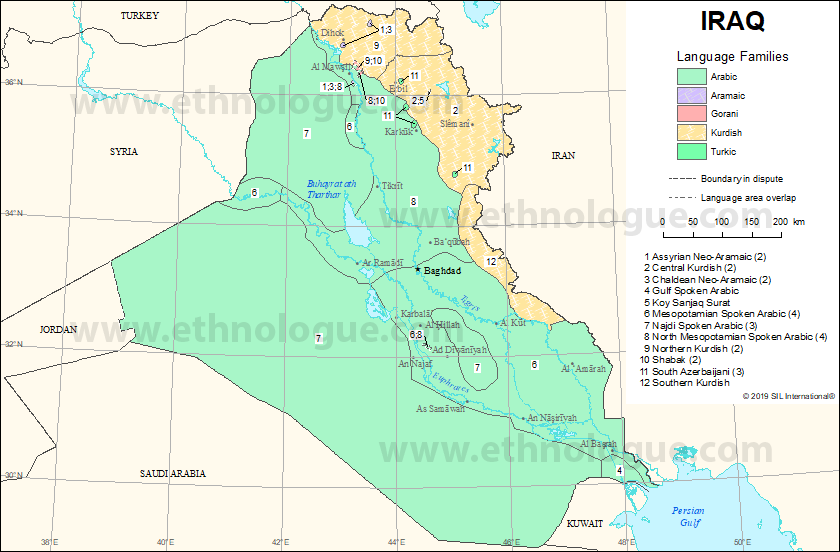
Iraq
Graphs
Language Vitality Profile
Full explanation
Language Status Profile
Full explanation
Resources
View Terms
Each Ethnologue country digest is a licensed product with restricted terms of use. Before downloading the product, you must agree to the following terms:
- This is a license for individual use. Just as with a conventionally published book, it is a violation of copyright to make a copy and give it to others.
- You may not redistribute this work in any form, including ingesting the contents into a database that is shared with others or posting it on a web site (whether public or private).
To inquire about permission for reuse or redistribution, please use the Contact Us form in the footer.
Digest of the languages of Iraq ($149.95, 32 page PDF)