
MA
Kingdom of Morocco
Morocco
Summary
- Official Name
- Kingdom of Morocco
- Population
- 36,911,000
- Principal Languages
- Moroccan Spoken Arabic, Standard Arabic
- Literacy Rate
- 74% (2018 UNESCO)
- International Conventions
- CDE (1960), CPPDCE (2006), CSICH (2012), ICCPR (1966), UNCRPD (2006)
- General References
- Applegate 1970, Boukouss 2006, Campbell and King 2011, Cohen 1963, Cohen 1985, Coon 1931, Boukouss 2006, Zavadovskii 1962
- Deaf Population
- 155,000
- Language Counts
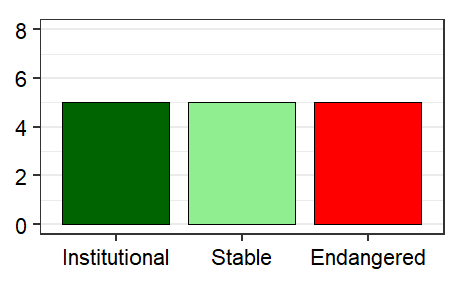
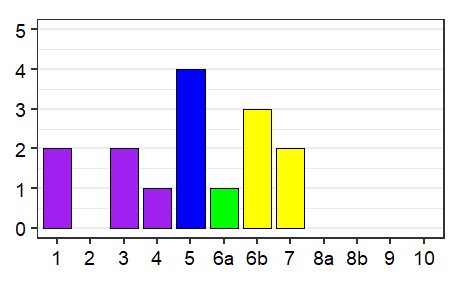
- The number of established languages listed for Morocco is 15. All are living languages. Of these, 10 are indigenous and 5 are non-indigenous. Furthermore, 5 are institutional, 4 are developing, 1 is vigorous, and 5 are in trouble.
Languages
- Arabic, Hassaniyya mey
- Souss-Massa-Drâa region: Mhamid, western Algeria border; Western Sahara, south from Laâyoune, Laâyoune-Boujdour-Sakia El Hamra. Users: 282,000 in Morocco (2016). Status: 5* (Dispersed). Alternate Names: Hasanya, Hassani, Maure, Mauri, Moor, Sahrawi, Sulaka Classification: Afro-Asiatic, Semitic, Central, South, Arabic
- Arabic, Judeo-Moroccan aju
- Casablanca-Settat region. Users: 8,930 in Morocco (2000). 90% in Casablanca (1997 World Jewish Congress). Total users in all countries: 65,910. Status: 7 (Shifting). Alternate Names: il‘arabiyya dyalna Classification: Afro-Asiatic, Semitic, Central, South, Arabic
- Arabic, Moroccan Spoken ary
- Widespread. Users: 27,900,000 in Morocco, all users. L1 users: 22,900,000 in Morocco (2016). L2 users: 5,000,000. Total users in all countries: 33,358,230 (as L1: 28,238,230; as L2: 5,120,000). Status: 3 (Wider communication). De facto national working language. Originated in the Arabian Peninsula and came to Morocco in the 8th century. LWC in the 20th century during colonial time. Spoken by the vast majority of the population. Used in daily life and religion. Alternate Names: Colloquial Arabic, Maghrebi Arabic, Maghribi, Moroccan Arabic, Moroccan Colloquial Arabic, Moroccan Dareja, Moroccan Darija, Moroccan Dereja Autonym: الدارجة (Darija) Classification: Afro-Asiatic, Semitic, Central, South, Arabic
- Arabic, Standard arb
- Users: 14,500,000 in Morocco (2015 SIL), all users. Status: 1 (National). Statutory national language (2011, Constitution, Article 5). Classification: Afro-Asiatic, Semitic, Central, South, Arabic
- English eng
- Scattered. Users: 5,000,000 in Morocco (Ramaswami et al 2012), L2 users. Status: 4 (Educational). Classification: Indo-European, Germanic, West, English
- French fra
- Widespread. Users: 12,705,400 in Morocco, all users. L1 users: 5,400 in Morocco (2018 J. Leclerc). L2 users: 12,700,000 (Beck et al 2018). Status: 3 (Wider communication). Alternate Names: Français Classification: Indo-European, Italic, Romance, Italo-Western, Western, Gallo-Iberian, Gallo-Romance, Gallo-Rhaetian, Oïl, French
- Ghomara gho
- Tangier-Tetouan region: Chechaouen province, along Rif Mountains coast. Users: 10,000 (2008 J. Hannouche). Status: 6a (Vigorous). Alternate Names: Shilha, Taghumarit, Tamazight Classification: Afro-Asiatic, Berber, Northern, Zenati, Ghomara
- Moroccan Sign Language xms
- Scattered in urban areas. Users: 63,400 (2008 WFD). 63,400 sign language users. Another estimate: 165,000 deaf (2014 IMB). Status: 5 (Developing). Alternate Names: LSM, Langue des signes du Maroc, Langue des signes marocaine, MSL Classification: Sign language, Deaf community sign language
- Senhaja Berber sjs
- Taza-Al Hoceima-Taounate region: Ketama area west of Tarifit. Users: 86,000 (2014 census). 6,000 Ayt Bshir, 7,000 Ayt Bunsar, 9,000 Ayt Hmed, 9,000 Ayt Khennus, 10,000 Ayt Mezduy, 17,000 Ayt Seddat, 17,000 Ketama, 5,000 Taghzut, 6,000 Zerqet. Status: 6b (Threatened). Alternate Names: Senhaja de Srair, Senhajiya, Shilha, Shilha Barbarya, Shilha n Jbala, Tajeblit, Tamazight, Tamazight n Jbala, Tasenhajit Classification: Afro-Asiatic, Berber, Northern, Zenati, Riff
- Spanish spa
- Scattered on north coast. Users: 1,666,590 in Morocco, all users. L1 users: 6,590 in Morocco (Instituto Cervantes 2019). L2 users: 1,660,000 (Instituto Cervantes 2019). Status: 7 (Shifting). Classification: Indo-European, Italic, Romance, Italo-Western, Western, Gallo-Iberian, Ibero-Romance, West Iberian, Castilian
- Tachelhit shi
- Guelmim-Es Semara, Marrakesh-Tensift-Al Haouz, Souss-Massa-Drâa, and Tadla-Azilal regions: coast south to Ifni, north to near Agadir, northeast to Marrakech outskirts, east to Drâa, including Sous valley, and south near the border. Users: 5,000,000 in Morocco (2017). Total users in all countries: 5,118,000. Status: 5* (Developing). Alternate Names: Shilha, Soussiya, Southern Shilha, Susiya, Tachelheit, Tachilhit, Tashelheit, Tashelheyt, Tashelhit, Tashilheet, Tashlhiyt, Tasoussit Autonym: Tašlḥiyt, تشلحيت (tšlḥyt), ⵜⴰⵛⵍⵃⵉⵢⵜ (taclhiyt) Classification: Afro-Asiatic, Berber, Northern, Atlas
- Tamazight, Central Atlas tzm
- Widespread, especially Middle and east High Atlas Mountains, adjacent valleys to Taza, Rabat area. Users: 4,590,000 in Morocco (2016). 936,000 monolinguals. Total users in all countries: 4,740,000. Status: 6b (Threatened). Alternate Names: Central Shilha, Middle Atlas Berber, Moroccan Amazigh, Shilha, Tachelhit, Tamazight, Tmazight Autonym: Tmaziɣt, ⵜⴰⵎⴰⵣⵉⵖⵜ (Tamazight) Classification: Afro-Asiatic, Berber, Northern, Atlas
- Tamazight, Standard Moroccan zgh
- Widespread. Status: 1 (National). Statutory national language (2011, Constitution, Article 5). Alternate Names: Amazighe standard marocain Autonym: ⵜⴰⵎⴰⵣⵉⵖⵜ (tamaziɣt), ⵜⴰⵎⴰⵣⵉⵖⵜ ⵜⴰⵏⴰⵡⴰⵢⵜ (tamaziɣt tanawayt) Classification: Afro-Asiatic, Berber, Northern, Atlas
- Tarifit rif
- Oriental and Taza-Al Hoceima-Taounate regions. Dialects from all areas of the Rif. Users: 4,240,000 in Morocco (2016). Total users in all countries: 4,399,000. Status: 5 (Developing). Alternate Names: Arrif, Northern Shilha, Rif, Rif Berber, Rifeño, Riff, Rifia, Rifiya, Ruafa, Shilha, Tamazight, Tamazight n Arrif, Tarifiyt, Tarifyt Berber, Tmaziɣt, Tmazight Autonym: Tarifit, تاريفيت (Tarifit), ⵜⴰⵔⵉⴼⵉⵜ (Tarifit) Classification: Afro-Asiatic, Berber, Northern, Zenati, Riff
- Taznatit grr
- Oriental region. Ain Chair, Figuig, and Ich (South Oran dialect). Status: 6b* (Threatened). Classification: Afro-Asiatic, Berber, Northern, Zenati, Mzab-Wargla
Languages by Status
Arabic, Standard
[arb] 1 (National). Statutory national language (2011, Constitution, Article 5). 14,500,000 in Morocco (2015 SIL), all users.
Tamazight, Standard Moroccan
[zgh] 1 (National). Statutory national language (2011, Constitution, Article 5).
Arabic, Moroccan Spoken
[ary] 3 (Wider communication). De facto national working language. Originated in the Arabian Peninsula and came to Morocco in the 8th century. LWC in the 20th century during colonial time. Spoken by the vast majority of the population. Used in daily life and religion. 27,900,000 in Morocco, all users. L1 users: 22,900,000 in Morocco (2016). L2 users: 5,000,000. Total users in all countries: 33,358,230 (as L1: 28,238,230; as L2: 5,120,000).
French
[fra] 3 (Wider communication). 12,705,400 in Morocco, all users. L1 users: 5,400 in Morocco (2018 J. Leclerc). L2 users: 12,700,000 (Beck et al 2018).
English
[eng] 4 (Educational). 5,000,000 in Morocco (Ramaswami et al 2012), L2 users.
Arabic, Hassaniyya
[mey] 5* (Dispersed). 282,000 in Morocco (2016).
Moroccan Sign Language
[xms] 5 (Developing). 63,400 (2008 WFD). 63,400 sign language users. Another estimate: 165,000 deaf (2014 IMB).
Tachelhit
[shi] 5* (Developing). 5,000,000 in Morocco (2017). Total users in all countries: 5,118,000.
Tarifit
[rif] 5 (Developing). 4,240,000 in Morocco (2016). Total users in all countries: 4,399,000.
Ghomara
[gho] 6a (Vigorous). 10,000 (2008 J. Hannouche).
Senhaja Berber
[sjs] 6b (Threatened). 86,000 (2014 census). 6,000 Ayt Bshir, 7,000 Ayt Bunsar, 9,000 Ayt Hmed, 9,000 Ayt Khennus, 10,000 Ayt Mezduy, 17,000 Ayt Seddat, 17,000 Ketama, 5,000 Taghzut, 6,000 Zerqet.
Tamazight, Central Atlas
[tzm] 6b (Threatened). 4,590,000 in Morocco (2016). 936,000 monolinguals. Total users in all countries: 4,740,000.
Taznatit
[grr] 6b* (Threatened).
Arabic, Judeo-Moroccan
[aju] 7 (Shifting). 8,930 in Morocco (2000). 90% in Casablanca (1997 World Jewish Congress). Total users in all countries: 65,910.
Spanish
[spa] 7 (Shifting). 1,666,590 in Morocco, all users. L1 users: 6,590 in Morocco (Instituto Cervantes 2019). L2 users: 1,660,000 (Instituto Cervantes 2019).
Maps
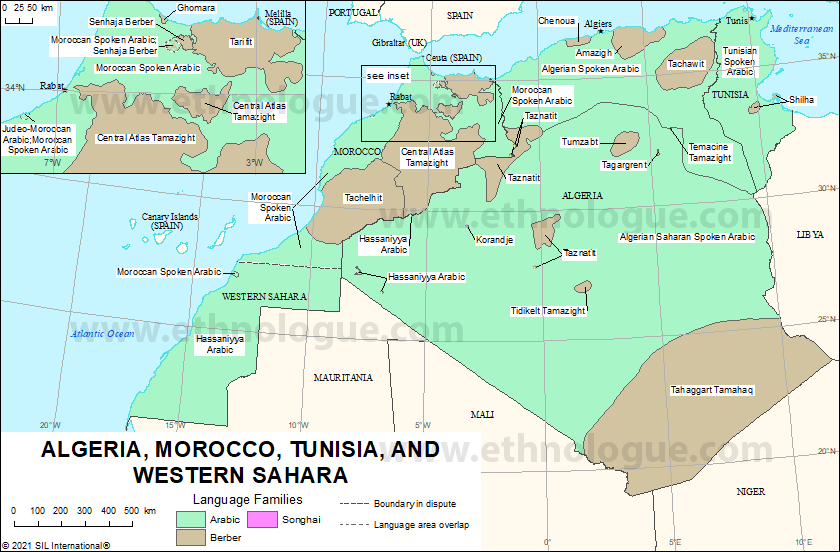
Algeria, Morocco, Tunisia and Western Sahara
Graphs
Language Vitality Profile
Full explanation
Language Status Profile
Full explanation
Resources
View Terms
Each Ethnologue country digest is a licensed product with restricted terms of use. Before downloading the product, you must agree to the following terms:
- This is a license for individual use. Just as with a conventionally published book, it is a violation of copyright to make a copy and give it to others.
- You may not redistribute this work in any form, including ingesting the contents into a database that is shared with others or posting it on a web site (whether public or private).
To inquire about permission for reuse or redistribution, please use the Contact Us form in the footer.
Digest of the languages of Morocco ($149.95, 27 page PDF)