
MN
Mongolia
Mongolia
Summary
- Official Name
- Mongolia
- Population
- 3,329,000
- Principal Languages
- Halh Mongolian
- Literacy Rate
- 98% (2018 UNESCO)
- International Conventions
- CDE (1960), CPPDCE (2006), CSICH (2012), ICCPR (1966), UNCRPD (2006), UNDRIP (2007)
- General References
- Campbell and King 2011, Poppe 1955, Sebeok 1967
- Deaf Population
- 10,000–147,330
- Language Counts
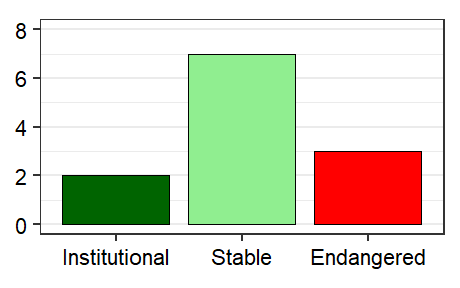
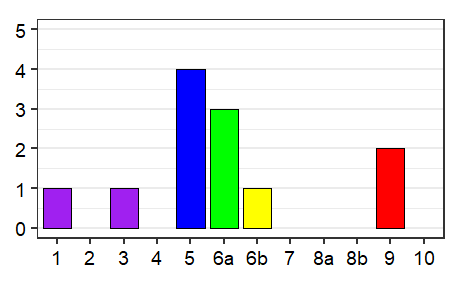
- The number of established languages listed for Mongolia is 12. All are living languages. Of these, 7 are indigenous and 5 are non-indigenous. Furthermore, 2 are institutional, 4 are developing, 2 are vigorous, 2 are in trouble, and 2 are dying. Also listed is 1 macrolanguage.
Languages
- Buriat, Mongolia bxm
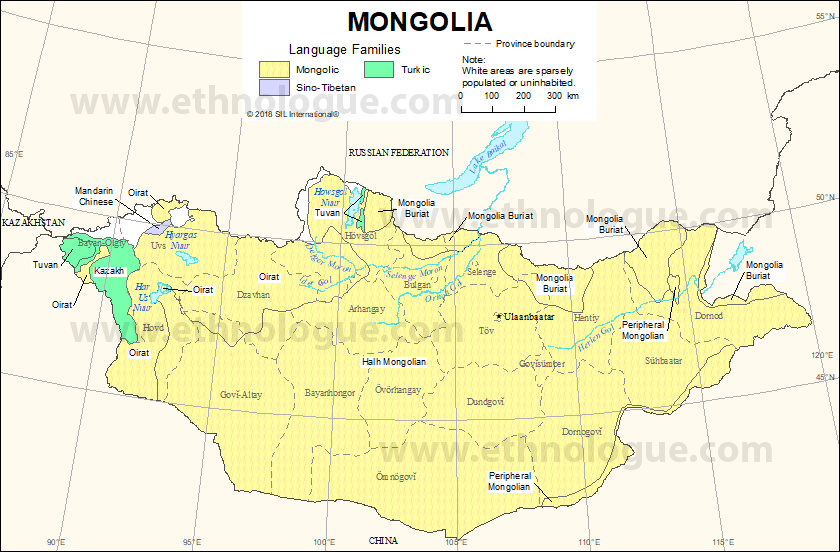
- Bulgan, Dornod, Hentiy, Hovsgol, Selenge, and Tov provinces: especially Russian Republic of Buryatia border area. Users: 42,500 (2016), decreasing. Status: 6a* (Vigorous). Alternate Names: Buriat-Mongolian, Burraad, Buryat, Mongolian Buriat, Northern Mongolian Classification: Mongolic, Eastern, Oirat-Khalkha, Khalkha-Buriat, Buriat
- Chinese, Mandarin cmn
- Omnogovi province; Uvs province: Tarialan and Ulaangom districts. Users: 43,700 in Mongolia (2016). 11,300 ethnic Khoton speak a form of Mandarin Chinese [cmn]. Status: 5* (Dispersed). Alternate Names: Hoton, Hui, Hui-Zu, Hytad, Khoton, Mandarin, Northern Chinese, Qotong, Xui Classification: Sino-Tibetan, Chinese
- Daur dta
- Scattered, especially in Hentiy province. Status: 7 (Shifting). Alternate Names: Daguor, Dagur, Dawar, Dawo’er, Tahuerh, Tahur Classification: Mongolic, Eastern, Dagur
- Evenki evn
- Selenge province. Users: No known L1 speakers in Mongolia. Status: 9 (Dormant). Alternate Names: Ewenke, Ewenki, Khamnigan, Khamnigan Ewenki, Khamnigan Mongol, Solon, Tungus, Tungus Ewenki Classification: Tungusic, Northern, Evenki
- Kazakh kaz
- Bayan-Olgiy and Hovd provinces: mining communities east of the capital; far east Choibalsan area. Users: 120,000 in Mongolia (2016), based on ethnicity. Status: 5* (Dispersed). Alternate Names: Kaisak, Kazakhi, Kazax, Kosach, Qazaq, Qazaqi Classification: Turkic, Western, Aralo-Caspian
- Mongolian mon
- Users: Population total all languages (L1 only): 6,089,080. Status:
- Mongolian Sign Language msr
- Scattered. Users: 16,000 (2021 DBS/DOOR/SIL). Estimated 9,000–20,000 deaf signers, based on 0.3%–0.6% of total population. Status: 6a (Vigorous). Alternate Names: MSL Classification: Sign language, Deaf community sign language
- Mongolian, Halh khk
- Widespread. Users: 2,640,000 in Mongolia (2016). Includes 28,100 Dariganga, 23,700 Darkhat, 22,500 Khotogoit, and 3,430 Sartul. Based on ethnicity. Total users in all countries: 2,711,160. Status: 1 (National). Statutory national language (1992, Constitution, Article 8(1)). Alternate Names: Central Mongolian, Halh, Halha, Kalkh, Khalkha, Khalkha Mongolian, Mongol, Mongolian Autonym: Монгол хэл (Mongol khel) Classification: Mongolic, Eastern, Oirat-Khalkha, Khalkha-Buriat, Mongolian Proper
- Mongolian, Peripheral mvf
- Bayanhongor, Dornod, Dornogovi, Govi-Altay, Omnogovi, and Suhbaatar provinces: except Choybalsan area in Dornod; south and southeast China border area. Status: 5* (Developing). Alternate Names: Southern-Eastern Mongolian Classification: Mongolic, Eastern, Oirat-Khalkha, Khalkha-Buriat, Mongolian Proper
- Oirat xal
- Arhangay, Bayan-Olgiy, Dzavhan, Hovd, Hovsgol, Govi-Altay, Omnogovi, and Uvs provinces. Users: 221,000 in Mongolia (2016). 53,400 Bayit, 74,600 Durbet, 12,200 Khoton, 6,300 Myangad, 13,400 Olot, 15,000 Torguud, 26,100 Uriankhai, and 31,600 Zakhchin (2016, based on 2015 census). Status: 6b* (Threatened). Alternate Names: Kalmyk-Oirat, Western Mongol Classification: Mongolic, Eastern, Oirat-Khalkha, Oirat-Kalmyk-Darkhat
- Russian rus
- Scattered. Users: 1,200,300 in Mongolia, all users. L1 users: 5,300 in Mongolia (2016). L2 users: 1,195,000 (Arefyev 2012). Status: 3 (Wider communication). Alternate Names: Okhu-in Classification: Indo-European, Balto-Slavic, Slavic, East
- Tuvan tyv
- Dzavhan province: Dorvoljin district; Hovd province: capital city area; Hovsgol province: north and west enclaves, northwest Tsagaannuur and Ulaan-Uul districts, and 2 areas of east of Hovsgol Nuur; Omnogovi province; Uvs province: far north Tsagaannuur and Ulaan-Uul districts. Users: 40,600 in Mongolia (2016). Status: 5* (Dispersed). Alternate Names: Diba, Kök Mungak, Soyod, Soyon, Soyot, Tannu-Tuva, Tuba, Tuva, Tuva-Uriankhai, Tuvia, Tuvin, Tuvinian, Tuwa-Uriankhai, Tyvan, Uriankhai, Uryankhai-Monchak Classification: Turkic, Northern
- Uyghur uig
- Govi-Altay province: Altai and Thogta sums. Users: No known L1 speakers in Mongolia. Ethnic population: 12,000 (2015). Status: 9 (Dormant). Alternate Names: Uighuir, Uighur, Uiguir, Uigur, Uygur Classification: Turkic, Eastern
Languages by Status
Mongolian, Halh
[khk] 1 (National). Statutory national language (1992, Constitution, Article 8(1)). 2,640,000 in Mongolia (2016). Includes 28,100 Dariganga, 23,700 Darkhat, 22,500 Khotogoit, and 3,430 Sartul. Based on ethnicity. Total users in all countries: 2,711,160.
Russian
[rus] 3 (Wider communication). 1,200,300 in Mongolia, all users. L1 users: 5,300 in Mongolia (2016). L2 users: 1,195,000 (Arefyev 2012).
Chinese, Mandarin
[cmn] 5* (Dispersed). 43,700 in Mongolia (2016). 11,300 ethnic Khoton speak a form of Mandarin Chinese [cmn].
Kazakh
[kaz] 5* (Dispersed). 120,000 in Mongolia (2016), based on ethnicity.
Tuvan
[tyv] 5* (Dispersed). 40,600 in Mongolia (2016).
Mongolian, Peripheral
[mvf] 5* (Developing).
Buriat, Mongolia
[bxm] 6a* (Vigorous). 42,500 (2016), decreasing.
Mongolian Sign Language
[msr] 6a (Vigorous). 16,000 (2021 DBS/DOOR/SIL). Estimated 9,000–20,000 deaf signers, based on 0.3%–0.6% of total population.
Oirat
[xal] 6b* (Threatened). 221,000 in Mongolia (2016). 53,400 Bayit, 74,600 Durbet, 12,200 Khoton, 6,300 Myangad, 13,400 Olot, 15,000 Torguud, 26,100 Uriankhai, and 31,600 Zakhchin (2016, based on 2015 census).
Daur
[dta] 7 (Shifting).
Maps
Mongolia
Graphs
Language Vitality Profile
Full explanation
Language Status Profile
Full explanation
Resources
View Terms
Each Ethnologue country digest is a licensed product with restricted terms of use. Before downloading the product, you must agree to the following terms:
- This is a license for individual use. Just as with a conventionally published book, it is a violation of copyright to make a copy and give it to others.
- You may not redistribute this work in any form, including ingesting the contents into a database that is shared with others or posting it on a web site (whether public or private).
To inquire about permission for reuse or redistribution, please use the Contact Us form in the footer.
Digest of the languages of Mongolia ($149.95, 25 page PDF)