
PE
Republic of Peru
Peru
Summary
- Official Name
- Republic of Peru
- Population
- 33,684,000
- Principal Languages
- Spanish
- Literacy Rate
- 94% (2018 UNESCO)
- International Conventions
- CDE (1960), CPPDCE (2006), CSICH (2012), ICCPR (1966), (), UNCRPD (2006), UNDRIP (2007)
- General References
- Campbell 1997, Crevels 2007, Loos 1973, Payne 1991, Payne 1993, Wise 1983
- Deaf Population
- 330,000
- Language Counts
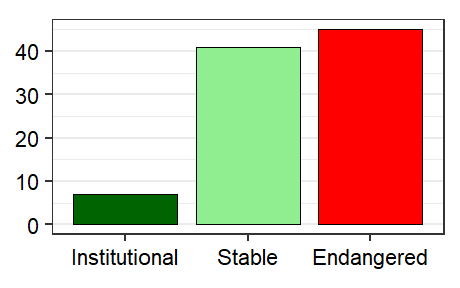
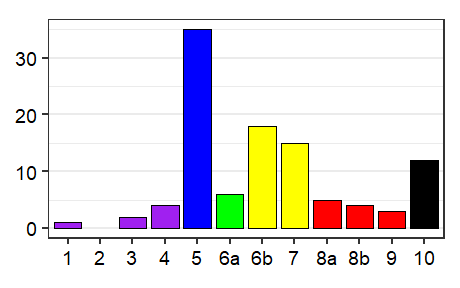
- The number of established languages listed for Peru is 110. Of these, 94 are living and 16 are extinct. Of the living languages, 91 are indigenous and 3 are non-indigenous. Furthermore, 6 are institutional, 35 are developing, 5 are vigorous, 33 are in trouble, and 14 are dying. Also listed is 1 unestablished language and 1 macrolanguage.
Languages
- Achuar-Shiwiar acu
- Loreto region: Ecuador border, between Morona and Tigre rivers. Users: 4,420 in Peru (2007 census). Majority are monolingual. Status: 5 (Developing). Alternate Names: Achual, Achuale, Achuar, Achuara, Achuár chícham, Jivaro, Maina Classification: Jivaroan, Jívaro
- Aguano aga
- Loreto region: lower Huallaga and upper Samiria rivers, right bank tributary of Marañón river. Users: No known L1 speakers. Last speaker died in the 16th century (Onofrio 1995). Status: 10 (Extinct). Alternate Names: Awano, Santa Crucino, Uguano Classification: Unclassified
- Ajyíninka Apurucayali cpc
- Huanuco, Pasco, and Ucayali regions: Apurucayali tributary, Pachitea river. Users: 4,000 (2000 SIL). Status: 6b* (Threatened). Alternate Names: Ashaninca, Ashéninca Apurucayali, “Apurucayali Campa” (pej.), “Axininka Campa” (pej.), “Campa” (pej.), “Kampa” (pej.) Autonym: Ajyéninka Classification: Maipurean, Southern, Campa, Ashéninga
- Amahuaca amc
- Madre de Dios and Ucayali regions: scattered on Aguaytía, Curanja, Curiuja, Inuya, Las Piedras, Mapuya, Purus, Sepahua, Upper Ucayali, and Yuruá rivers; Southeast Amazon basin. Users: 300 in Peru (2007 census), decreasing. 20 monolinguals. Ethnic population: 300 (2007 census). Total users in all countries: 520. Status: 7 (Shifting). Alternate Names: Amaguaco, Amahuaka, Amajuaca, Amawaka, Ameuhaque, Ipitineri, Ipitnere, Sayaco Autonym: Yora Classification: Panoan, Mainline, Tri-State, Amawaka
- Amarakaeri amr
- Madre de Dios region: Madre de Dios and Colorado rivers. Users: 1,910 (2007 census). Includes Huachipaeri [hug]. Ethnic population: 2,090 (2013 Ministerio de Educación). Includes Huachipaeri [hug]. Status: 6b* (Threatened). Alternate Names: Amaracaire, Amarakaire, Arakmbut, Arakmbut Háte, Harakmbut, Haté, Kareneri, Kochimberi, Küpondirideri, Wakitaneri, Wintaperi, “Mashco” (pej.) Autonym: aratbuten hua’a Classification: Harákmbut
- Andoa anb
- Loreto region: Andoas town on Pastaza river. Users: No known L1 speakers. Last known speaker died in 2012. Status: 10 (Extinct). Alternate Names: Andoa-Shimigae, Gae, Gaye, Semigae, Shimigae Autonym: Simikai Classification: Zaparoan, Záparo, Arabela-Andoa
- Arabela arl
- Loreto region: Arabela river, tributary of the Napo. 2 villages. Users: 50 (2002 SIL). Ethnic population: 400 (2007 census). Status: 8a (Moribund). Alternate Names: Chiripuno, Chiripunu, Tapueyocaca, Tapweyokwaka Autonym: Tapueyocuaca Classification: Zaparoan, Záparo, Arabela-Andoa
- Asháninka cni
- Apurimac, Ayacucho, Cusco, Junin, and Ucayali regions: Apurimac, Ene, Perene, and Tambo rivers and tributaries. Users: 35,200 (2007 SIL). 2007 census lists 63,000, which includes all varieties of Ashaninka and Asheninka. Ethnic population: 35,200 (2007 SIL). Status: 5* (Developing). Alternate Names: Ashinanca, Asháninca, “Campa” (pej.), “Kampa” (pej.) Autonym: Asháninka Classification: Maipurean, Southern, Campa
- Ashéninka, Pajonal cjo
- Junin, Pasco, and Ucayali regions: central Gran Pajonal area. Users: 12,000 (2002 SIL). Ethnic population: 12,000 (2002 SIL). Status: 5 (Developing). Alternate Names: Asheninka, Ashéninca, Atsiri, Pajonal, “Campa” (pej.) Classification: Maipurean, Southern, Campa, Ashéninga
- Ashéninka, Perené prq
- Junin region: upper Perené river. Users: 300 (Mihas 2014). Ethnic population: 5,500 (2001 SIL). Status: 6b (Threatened). Alternate Names: Asheninka, Perené Ashéninca, “Perené Campa” (pej.) Classification: Maipurean, Southern, Campa, Ashéninga
- Ashéninka, Pichis cpu
- Pasco region: Pichis river and tributaries except Apurucayali. Users: 10,700 (2007 census). Includes Ajyninka Apurucayal [cpc]. Status: 6b (Threatened). Alternate Names: Asheninka, Pichis Ashéninca, “Pichis Campa” (pej.) Classification: Maipurean, Southern, Campa, Ashéninga
- Ashéninka, South Ucayali cpy
- Ucayali region: upper Ucayali river and tributaries. Users: 13,000 (2002 SIL). Ethnic population: 14,000 (2002 SIL). Status: 5* (Developing). Alternate Names: Asheninka Classification: Maipurean, Southern, Campa, Ashéninga
- Ashéninka, Ucayali-Yurúa cpb
- Huanuco and Ucayali regions: Arruya, Cohengua, Inuya, Shahuaya, Sheshea rivers, Ucayali river tributaries of Pachitea, Yurúa river. Users: 7,000 in Peru (2001 SIL). Total users in all countries: 7,810. Status: 5* (Developing). Alternate Names: Asheninka, Ucayali Ashéninca Classification: Maipurean, Southern, Campa, Ashéninga
- Atsahuaca atc
- Puno province: Carama River. Users: No known L1 speakers. There were still 20 speakers in 1904. Status: 10 (Extinct). Alternate Names: Astahuaca, Atsahuaca-Yamiaca, Atsawaca, Atsawaka, Atsawaka-Yamiaka, Atswawaka Classification: Panoan, Mainline, Unclassified
- Aushiri avs
- Loreto region: Escuelacocha, Napo river right bank tributaries. Users: No known L1 speakers. One semi-speaker reported on the Napo River in 2008 and another living near Iquitos (Crevels 2012). Status: 10 (Extinct). Alternate Names: A’éwa, Abijira, Auxira, Awshira, Vacacocha Classification: Language isolate
- Awajún agr
- Amazonas, Cajamarca, Loreto, and San Martin regions: upper west Marañon river area; Cahuapanas, Mayo, and Potro rivers. Users: 53,400 (2007 census), increasing. Ethnic population: 55,400 (2007 census). Status: 4 (Educational). Alternate Names: Aents, Aguajún, Aguaruna, Ahuajún, Awajunt Autonym: Awajún Classification: Jivaroan
- Awishira ash
- Loreto region: Lake Vacacocha, Napo river, Puerto Elvira. Users: No known L1 speakers. Survived into mid 20th century. Status: 10 (Extinct). Alternate Names: Abigira, Abiquira, Abishira, Aewa, Agouisiri, Auishiri, Avirxiri, Aʔɨwa, Ixignor, Tekiraka, Tequiraca, Vacacocha Classification: Unclassified
- Aymara, Central ayr
- Moquegua, Puno, and Tacna regions: Lake Titicaca area. Users: 443,000 in Peru (2007 census). Ethnic population: 443,000 (2007 census). Status: 5 (Developing). Recognized language (1993, Constitution, Article 48). Alternate Names: Aimara, Aymara Classification: Aymaran, Aymara
- Aymara, Southern ayc
- Moquegua, Puno, and Tacna regions: Lake Titicaca toward the ocean. Users: 213,000 (2011 J. Leclerc). Status: 6a* (Vigorous). Recognized language (1993, Constitution, Article 48). Alternate Names: Aymar, Aymar aru Classification: Aymaran, Aymara
- Bora boa
- Loreto region: Ampiyacu, Putumayo, northeast Yaguasyacu rivers. 5 villages. Users: 750 in Peru (2007 census). Ethnic population: 750 (2007 census). Total users in all countries: 1,350. Status: 7 (Shifting). Alternate Names: Booraa, Bora-Miranya, Meamuyna, Miamuna’a, Miranas, Miranya, Miraña, Mïamuna Autonym: Miamunaa Classification: Witotoan, Proto-Bora-Muinane
- Cahuarano cah
- Loreto region: Maynas province, Nanay river headwaters. Users: No known L1 speakers (2012 SIL). Last speaker died in the late 1980s or early 1990s. Status: 10 (Extinct). Classification: Zaparoan, Iquito-Cahuarano
- Capanahua kaq
- Loreto region: Tapiche-Buncuya rivers area. Users: 100 (Crevels 2012). Some may be in voluntary isolation (2013 Ministry of Education). No monolinguals. Ethnic population: 380 (2007 census). Status: 6b* (Threatened). Alternate Names: Capabaquebo, Capanawa, Kapanawa, Nuquencaibo, “Capacho” (pej.) Autonym: Capa Baquebo Classification: Panoan, Mainline, Shipibo
- Caquinte cot
- Cusco and Junin regions: Picha, Poyeni, and Mayapo rivers, upper Poyeni river, which flows into Tambo Yori and Agueni rivers which become Mipaya river flowing into the Urubamba; a few on Sensa and Vitiricaya rivers, affluents of the Urubamba. Users: 440 (2007 census), increasing. Ethnic population: 440 (2007 census). Status: 5 (Developing). Alternate Names: Caquinte Campa, Kakinte, Poyenisati, “Cachomashiri” (pej.) Autonym: Aguenquetsatsare Classification: Maipurean, Southern, Campa, Machiguenga
- Chamicuro ccc
- Loreto region: Pampa Hermosa on Huallaga tributary. Users: No known L1 speakers. Last known speaker died in the early 2000s (2018 S. Parker). Ethnic population: 100 (2015 S. Parker). Virtually all inhabitants of Pampa Hermosa are ethnic Chamicuro. Status: 9 (Dormant). Alternate Names: Chamicolo, Chamicura Autonym: Chamekolo Classification: Maipurean, Southern, Western
- Chinese zho
- Users: 100,000 in Peru. Status: Unestablished.
- Cholón cht
- Huanuco and San Martin regions: Tingo María to Valle, Huallaga river valley. Users: No known L1 speakers. Last speaker died in 2000 (2000 M. Wise). Status: 10 (Extinct). Alternate Names: Seeptsa, Tinganeses Classification: Cholonan
- Culina cul
- Ucayali region: near Brazil border, upper Purus and Santa Rosa rivers. Users: 420 in Peru (2007 census), increasing. Primarily monolingual. Ethnic population: 420. Status: 5 (Developing). Alternate Names: Kollina, Kulina, Kulino, Kulyna, Kurina, Madiha, Madija Classification: Arauan
- English eng
- Users: 15,100 in Peru (2021 Joshua Project), based on ethnicity. Status: Unestablished. Classification: Indo-European, Germanic, West, English
- Ese Eja ese
- Madre de Dios region: Maldonado area on Heath and Tambopata rivers. Users: 590 in Peru (2007 census). Ethnic population: 590 (2007 census). Status: 6a (Vigorous). Alternate Names: Ese Ejja, Ese Exa, Ese’ejja, Guarayo, Huarayo, Tambopata-Guarayo, Tiatinagua, “Chama” (pej.) Classification: Tacanan, Chama
- Hibito hib
- Loreto region: Bobonaje river, Huayabamba tributary entering Huallaga west, Jelache tributary. Users: No known L1 speakers. Last speaker probably survived into the 1970s (Loukotka 1968). Status: 10 (Extinct). Alternate Names: Chibito, Hivito, Ibito, Jibito, Xibita, Xibitoana, Zibito Classification: Cholonan
- Huachipaeri hug
- Cusco region: Keros and upper Madre de Dios rivers. Users: 310 (2000). Ethnic population: 2,090 (2013 Ministerio de Educación). Includes Amarakaeri [amr]. Status: 6b (Threatened). Alternate Names: Huachipaire, Wachipaeri, Wacipaire, “Mashco” (pej.) Classification: Harákmbut
- Iñapari inp
- Madre de Dios region: Puerto Maldonado area on Piedras river, mouth of Sabaluyo. Users: 4 (1999 SIL). Ethnic population: 68 (Crevels 2012). Status: 8a (Moribund). Alternate Names: Inamari Classification: Maipurean, Southern, Southern Outlier, Piro
- Iquitu iqu
- Loreto region: Atalaya and San Antonio on Chambira, Nanay, and Pintoyacu rivers. Users: 25 (Beier et al 2011), decreasing. 1 monolinguals. Ethnic population: 520 (2007 census). Status: 8b (Nearly extinct). Alternate Names: Amacacore, Hamacore, Ikito, Ikitu, Iquita, Iquito, Puca-Uma, Quiturran Autonym: Akenóiri Classification: Zaparoan, Iquito-Cahuarano
- Isconahua isc
- Loreto and Ucayali regions: Callaria river. Users: 82 (2000). Status: 8b (Nearly extinct). Alternate Names: Iscobaquebu, Iskobákebo, Iskonawa Classification: Panoan, Mainline, Tri-State, Amawaka
- Jaqaru jqr
- Lima region: Yauyos province, Cachuy and Tupe villages; into Ica region. Users: 740 (Crevels 2012). 730 Jaqaru and 9 Cauqui (Crevels 2012). Ethnic population: 2,000 (2000 W. Adelaar). Status: 7 (Shifting). Alternate Names: Ak’aro, Aru, Hage aru, Haq’aru, Haqaru, Haqearu, Jacaru, Jaq’aru, Tupe Autonym: Jaqaru Classification: Aymaran, Tupe
- Jebero jeb
- Loreto region: Alto Amazonas province, Jeberos district, between Marañon and Huallaga rivers. Users: 30 (Crevels 2012). Ethnic population: 2,500 (2000 W. Adelaar). Status: 7 (Shifting). Alternate Names: Chebero, Shiwilu, Xebero, Xihuila Autonym: Shiwilu la’la’ Classification: Cahuapanan
- Kakataibo-Kashibo cbr
- Huanuco, Loreto, and Ucayali regions: Aguaytía, San Alejandro, and Súngaro rivers. Users: 2,780 (2007 census). Some women over 50 monolingual. Ethnic population: 2,780 (2007 census). Status: 5 (Developing). Alternate Names: Aincacatai, Cachibo, Cacibo, Cahivo, Cashibo-Cacataibo, Caxibo, Hagueti, Incauncanibo, Kashibo, Kashibo-Kakataibo, Managua Autonym: Kakataibo-Kashibo Classification: Panoan, Mainline, Cashibo
- Kandozi-Chapra cbu
- Loreto region: Chapuli, Huitoyacu, Morona, and Pastaza rivers. Users: 3,260 (2007 census). Ethnic population: 3,260 (2007 census). Status: 5 (Developing). Alternate Names: Candoshi, Candoshi-Shapra, Candoxi, Kandoshi, Kandozi, Murato Autonym: Kadoazi koko Classification: Language isolate
- Kashinawa cbs
- Ucayali region: Curanja and Purus rivers. Users: 2,420 in Peru (2007 census). Ethnic population: 2,420 (1999 census). Total users in all countries: 7,420. Status: 5 (Developing). Alternate Names: Cashinahua, Caxinahua, Caxinawá, Hantxa Kuin, Juni Kuin, Kashinahua, Kaxinawá, Kaxynawa Autonym: Hãtxa Kuī Classification: Panoan, Mainline, Tri-State
- Kukama-Kukamiria cod
- Loreto region: Huallaga, lower Marañon, and northeast lower Ucayali rivers’ area. Users: 250 in Peru (Crevels 2007). Few monolinguals. Ethnic population: 11,300 (2007 census). Status: 8a (Moribund). Alternate Names: Cocama, Cocama-Cocamilla, Huallaga, Kokama, Kokama-Kokamilya, Kukama, Pampadeque, Pandequebo, Ucayali, Xibitaoan Classification: Tupian, Tupí-Guaraní, Tupí, Cocama
- Maijuna ore
- Loreto region: Algodón, Putumayo, Sucusari, and Yanayacu rivers. Users: 190 (2007 census). Ethnic population: 300 (Crevels 2012). Status: 7 (Shifting). Alternate Names: Coto, Koto, Mai Ja, Maihuna, Maijɨki, Máíhɨki, Payagua, Tutapi, “Orechon” (pej.), “Oregon” (pej.), “Orejón” (pej.) Autonym: Maijuna Classification: Tucanoan, Western Tucanoan
- Mashco Piro cuj
- Madre de Dios region: Purús province; Upper Purús area. Users: 200 (Crevels 2012). 60 monolinguals. Status: 6b (Threatened). Alternate Names: Cujareno, Cujareño, Nomole, “Mashco” (pej.) Classification: Maipurean, Southern, Southern Outlier, Piro, Piro
- Matses mcf
- Loreto region: lower Yaquerana river and tributaries; lower Yavari on Chobayacu and Gálvez rivers. Users: 5,000 in Peru (2019 Y. Bueno). Ethnic population: 5,000 (2019 Y. Bueno). Total users in all countries: 6,500. Status: 5 (Developing). Alternate Names: Magirona, Majoruna-Matsés, Majuruna, Matses-Mayoruna, Maxirona, Maxuruna, Mayiruna, Mayoruna, Mayuzuna Autonym: Matses Classification: Panoan, Mayoruna-Matsés
- Matsigenka mcb
- Cusco, Madre de Dios, and Ucayali regions: Camisea, Kompiroshiato, Picha, Manu, Mishagua, Tigompinia, Timpia, and Urubamba rivers. Users: 21,400 (2019 Ministerio de Cultura). Ethnic population: 21,400 (2019 Ministerio de Cultura). Status: 5 (Developing). Alternate Names: Machiguenga, Matsiganga, Matsigenga, Matsiguenga, Mañaries, Niagantsi Autonym: Matsigenka Classification: Maipurean, Southern, Campa, Machiguenga
- Mochica omc
- La Libertad and Lambayeque regions: northwestern coast. Users: No known L1 speakers. Last speaker likely died around 1920. Status: 10 (Extinct). Alternate Names: Chimu, Chimú, Mochika, Muchic, Muchik, Yunca, Yunga Classification: Language isolate
- Muniche myr
- Loreto region: Paranapura river. Users: No known L1 speakers (Michael et al 2013). Three semi-speakers, ages 60–90; 10 remember but not fluent (Michael et al 2013). The last known fluent speaker, Victoria Huancho Icahuate, died in the late 1990s. Status: 9 (Dormant). Alternate Names: Munichi, Munichino, Otanabe, Otanave Classification: Language isolate
- Nanti cox
- Cusco region: headwaters of Camisea and Timpia rivers. Users: 94 (2007 census). Ethnic population: 450 (Crevels 2012). Status: 6b (Threatened). Classification: Maipurean, Southern, Campa, Ashéninga
- Nocamán nom
- Ucayali region: Padre Abad province, Curimana district. Users: No known L1 speakers. Status: Unattested. Classification: Panoan, Mainline, Cashibo
- Nomatsigenga not
- Junin region: Anapati river system in the foothills, between Ene and Perené rivers. Users: 8,020 (2007 census). 5,500 monolinguals. Ethnic population: 8,020 (2007 census). Status: 5 (Developing). Alternate Names: Atiri, Ina’o, Inato, Inthome, Intsome, Nomatsiguenga, “Nomatsiguenga Campa” (pej.) Autonym: Nomatsigenga Classification: Maipurean, Southern, Campa, Ashéninga
- Nonuya noj
- Loreto region: Maynas province, Putumayo district. Users: No known L1 speakers in Peru. Last known speaker in Peru likely survived until 2010. Ethnic population: 90. Ethnic population covers both Colombia and Peru. Status: 9 (Dormant). Alternate Names: Nononota Classification: Witotoan
- Ocaina oca
- Loreto region: Ampuyacu, Putumayo, and Yaguasyacu rivers. Users: 50 in Peru (Crevels 2012). Ethnic population: 100 (2007 census). Total users in all countries: 55. Status: 7 (Shifting). Alternate Names: Okaina Autonym: Dyo’xaiya-o-lvo’tsa Classification: Witotoan, Proto-Huitoto-Ocaina
- Omagua omg
- Loreto region: El Porvenir, Grau, San Joaquín de Omaguas, San Salvador de Omaguas, and other settlements on lower Marañón left bank, near Ucayali river mouth. Users: 2 in Peru (Crevels 2012). Ethnic population: 630 (2007 census). Status: 8b (Nearly extinct). Alternate Names: Agua, Anapia, Ariana, Cambeba, Cambeeba, Cambela, Campeba, Canga-Peba, Compeva, Kambeba, Kambéba, Macanipa, Omagua-Yete, Omágua, Pariana, Umaua, Yhuata Classification: Tupian, Tupí-Guaraní, Tupí, Cocama
- Omurano omu
- Loreto region. Users: No known L1 speakers. The last speaker died by 1958. Status: 10 (Extinct). Alternate Names: Humurana, Hunurana, Mayna, Numurana, Omurana, Roamaina, Umurano Classification: Language isolate
- Panobo pno
- Ucayali river mixed with the Shetebo [shp] language group. Users: No known L1 speakers. Last speaker died in 1991. Status: 10 (Extinct). Alternate Names: Huariapano, Manoa, Pana, Pano, Pelado, Wariapano Classification: Panoan, Mainline, Pano
- Peruvian Sign Language prl
- Scattered. Users: 98,000 (2021 DBS/DOOR/SIL). Estimated 65,000–130,000 deaf signers, assuming 0.2%–0.4% of total population. Status: 5 (Developing). Alternate Names: LSP, Lengua de Signos Peruana, Lenguaje de señas peruana, Lenguaje de señas peruano Classification: Sign language, Deaf community sign language
- Pisabo pig
- Loreto region: in Matsés [mcf] language group territory, between Tapíche and Blanco rivers. Users: 500 (2011 J. Leclerc). Status: 6b* (Threatened). Alternate Names: Pisagua, Pisahua Classification: Panoan
- Puquina puq
- Puno department: Lake Titicaca area. Users: No known L1 speakers in Peru. Last speaker likely died in the 1700s. Status: 10 (Extinct). Alternate Names: Pukina Classification: Language isolate
- Quechua que
- Users: Population total all languages (L1 only): 7,051,840. Status:
- Quechua, Ambo-Pasco qva
- Huanuco region: Ambo province, Ambo, San Francisco de Mosca, and San Rafael districts; Pasco region: Pasco province, Ticlacayán district. Users: 18,300 (2017 census). Status: 6b (Threatened). Alternate Names: San Rafael-Huariaca Quechua Classification: Quechuan, Central Quechua, Ap-am-ah
- Quechua, Arequipa-La Unión qxu
- Arequipa region: La Unión province, Cotahuasi district, Apurímac department, Antabamba province; Ayacucho and Cusco regions. Users: 18,600 (2000). 10,000 monolinguals. Ethnic population: 32,000. Status: 5 (Developing). Alternate Names: Arequipa Quechua, Cotahuasi Quechua, Quechua de Arequipa, Quechua de La Unión Classification: Quechuan, Peripheral Quechua, Chinchay, Southern Chinchay, Southern Peruvian Quechua
- Quechua, Ayacucho quy
- Ayacucho and Huancavelica regions; Apurimac, Arequipa, Cusco, Ica, Junin, and Lima regions. Users: 900,000 (2000 SIL), decreasing. 300,000 monolinguals. Status: 3 (Wider communication). Lingua franca in the 16th century after Spanish conquest. Used in bilingual education, literature, textile making, church, and radio and television broadcasts. Alternate Names: Chanca, Chanka Autonym: Chanka runasimi, Runasimi Classification: Quechuan, Peripheral Quechua, Chinchay, Southern Chinchay, Southern Peruvian Quechua
- Quechua, Cajamarca qvc
- Cajamarca region: Chetilla and Los Baños districts; western dialect: Chetilla district, eastern dialect: Porcón and Cajamarca valley areas; La Libertad region: small area on west bank of Rio Marañon. Users: 5,000 (2017 A. Natarov), based on 2017 census figures. Status: 6b (Threatened). Alternate Names: Kichwa Lingwa, Lingwa Autonym: Kichwa Classification: Quechuan, Peripheral Quechua, Yungay, Northern
- Quechua, Cajatambo North Lima qvl
- Ancash region: Pacllón, La Primavera, and Mangas (south of Llamac, east of Pativilca rivers) districts; Huanuco region; Lima region: Cajatambo, Copa, Huancapón, and northern Manas districts. Users: 7,000 (2000 SIL), decreasing. 2,800 monolinguals. Status: 7 (Shifting). Classification: Quechuan, Central Quechua, Ap-am-ah, Alto Pativilca
- Quechua, Chachapoyas quk
- Amazonas region: Chachapoyas and Luya provinces. Users: 840 (2017 census). Ethnic population: 5,080 (2017 census). Status: 6b (Threatened). Alternate Names: Amazonas, Amazonas Quechua Autonym: Llakwash Classification: Quechuan, Peripheral Quechua, Chinchay, Northern Chinchay
- Quechua, Chaupihuaranga qur
- Pasco region: Chacayan, Chinche, Goyllarisquizqa, Paucar, San Pedro de Pillao, Tapoc, Villcabamba, and Yanahuanca districts; sparsely populated high country, more densely populated valleys. Users: 11,000 (2017 census), decreasing. 8,000 for Chaupihuaranga proper, 3,000 for Checras (2022 A. Natarov). Ethnic population: 13,100 (2017 census). Status: 7 (Shifting). Alternate Names: Yanahuanca Pasco Quechua, Yaru Quechua Classification: Quechuan, Central Quechua, Wankay
- Quechua, Chincha qxc
- Huancavelica region: northwest Castrovirreyna province; Ica region: northeast Chincha province; Lima region: southeast Yauyos province. Users: 3,000 (2017), based on 2017 census reports. Status: 7 (Shifting). Classification: Quechuan, Central Quechua, Wankay
- Quechua, Chiquián qxa
- Ancash region: Bolognesi province, Chiquián district, western Bolognesi west of Pativilca river and north of Llamac river; east Ocros, Corpanqui valley border. Western Ocros may be included, but the dialect is a bit different. Users: 4,820 (2017 census), decreasing. Status: 7 (Shifting). Alternate Names: Ancash Quechua, Chiquián Ancash Quechua Classification: Quechuan, Central Quechua, Ap-am-ah, Alto Pativilca
- Quechua, Corongo Ancash qwa
- Ancash region: Corongo province, Aco, Corongo, Cusca, La Pampa, and Yanac districts. Most in Aco and Cusca. Users: 2,500 (2017 census), decreasing, including 1,740 speakers living outside the language area (based on 2017 census). Status: 7 (Shifting). Alternate Names: Corongo Quechua, Quechua de Corongo Autonym: Llaqwash Classification: Quechuan, Central Quechua, Waylay
- Quechua, Cusco quz
- Apurimac, Arequipa, Cusco, Moquegua, Madre de Dios, and Puno regions. Users: 1,500,000 (1989 UBS). Total Quechua in Peru 3,500,000–4,400,000 including Quechua I 750,000, Quechua II 2,680,000 (2000 W. Adelaar). 300,000 monolinguals. Ethnic population: 1,500,000. Status: 3 (Wider communication). Lingua franca of the Andes at the time of the Spanish conquest in the 16th century. Used in everyday communication, traditional Andean music, bilingual education, the arts, church, health services, agriculture, and animal husbandry. Alternate Names: Cuzco, Cuzco Quechua, Qheswa, Qheswasimi, Quechua Cusco, Quechua Qosqo-Qollaw, Quechua de Cusco-Collao, Qusqu qhichwa simi, Qusqu runasimi Autonym: Runasimi, Runasimi Qusqu Qullaw Classification: Quechuan, Peripheral Quechua, Chinchay, Southern Chinchay, Southern Peruvian Quechua
- Quechua, Eastern Apurímac qve
- Apurimac region: Abancay, Andahuaylas, Antabamba Ayamaraes, Cotabambas, and Grau provinces; Arequipa region: La Unión province; Ayacucho and Cusco regions. Users: 200,000 (2002 SIL). 80,000 monolinguals. 30% in towns, 60%–70% in remote areas, especially at high altitudes. Ethnic population: 200,000. Status: 4 (Educational). Alternate Names: Apurímac Quechua, Quechua del Este de Apurímac Autonym: Quechua Classification: Quechuan, Peripheral Quechua, Chinchay, Southern Chinchay, Southern Peruvian Quechua
- Quechua, Huallaga qub
- Huanuco region: Huánuco province, Churubamba and Santa Maria del Valle districts. Users: 23,900 (2017 census). Status: 5* (Developing). Alternate Names: Alto Huallaga, Huallaga Huánuco Quechua, Quechua Huallaguino, Quechua de Huánuco, Quechua de Llacón, Quechua de Matihuaca Autonym: Runa shimi Classification: Quechuan, Central Quechua, Ap-am-ah
- Quechua, Huamalíes-Dos de Mayo Huánuco qvh
- Huanuco region: Dos de Mayo province, Chuquis, Marias, Quivilla, Pachas, Ripán, Shunqui, Sillapata, and Yanas districts; Huamalíes province, Arancay, Chavín de Pariarca, Jacas Grande, Jircán, Llata, Miraflores, Punchao, Puños, Singa, and Tantamayo districts. Users: 44,900 (2017 census). Status: 5* (Developing). Classification: Quechuan, Central Quechua, Ap-am-ah, Alto Marañón
- Quechua, Huaylas Ancash qwh
- Ancash region: Caraz, Carhuaz, and Huaraz provinces; Callejón de Huaylas. Users: 173,000 (2017 census). Status: 6b (Threatened). Autonym: Anqas Qichwa, Qichwa Classification: Quechuan, Central Quechua, Waylay
- Quechua, Huaylla Wanca qvw
- Junin region: Concepción and Huancayo provinces; some in Huancavelica and Lima regions. Users: 250,000 (2002 SIL). Status: 5 (Developing). Alternate Names: Huanca Huaylla Quechua, Quechua Huanca, Quechua Wanca, Quechua Wanka, Southern Huancayo Quechua, Wanca, Wanka Quechua Autonym: Kichwa, Wanca Nunashimi Classification: Quechuan, Central Quechua, Wankay
- Quechua, Jauja Wanca qxw
- Junin region: Jauja province; small area; Lima region. Users: 5,000 (2017 A. Natarov), based on 2017 census. Ethnic population: 77,700 (2000). Status: 8a (Moribund). Alternate Names: Huanca Jauja Quechua, Quechua shausha huanca, Shausha Wanka Quechua Classification: Quechuan, Central Quechua, Wankay
- Quechua, Lambayeque quf
- Lambayeque region: Inkawasi, Kañaris, and Miracosta districts; Penachí and Santa Lucía communities; Cajamarca and Piura. Users: 30,000 (2017 A. Natarov), based on 2017 census figures. Status: 5* (Developing). Alternate Names: Ferreñafe, Inkawasi-Kañaris Runashimi, Quechua Inkawasi-Kañaris, Quechua de Lambayeque, Quechua of Incahuasi-Cañaris Autonym: Linwaras Classification: Quechuan, Peripheral Quechua, Yungay, Northern
- Quechua, Margos-Yarowilca-Lauricocha qvm
- Huanuco region: Ambo province, Cayna and Colpas districts; Huánuco province, Margos, Quisqui (Kichki), San Pedro de Chaulán, Yacus, and Yarumayo districts; Lauricocha province, San Francisco de Asis and San Miguel de Cauri districts; Yarowilca province, Aparicio Pomares (Chupán), Cáhuac, Chacabamba, Chavinillo, Choras, Jacas Chico, Obas, and Pampamarca districts. Users: 32,100 (2017 census). Status: 5* (Developing). Alternate Names: Dos de Mayo Quechua, Ketchwa, Quechua Margos, Quechua de Margos, Quechua de Margos-Cauri-Chavinillo Huanuco Autonym: Quechua Classification: Quechuan, Central Quechua, Ap-am-ah, Alto Marañón
- Quechua, North Junín qvn
- Junin region: Carhuamayo, Junín, Ondores, and San Pedro de Cajas districts; Lima and Pasco regions. Users: 15,000 (2017 A. Natarov), based on 2017 census figures. Status: 6b* (Threatened). Alternate Names: Junín Quechua, Quechua del Norte de Junín, Tarma Quechua, Tarma-Junín Quechua Autonym: Quechua Classification: Quechuan, Central Quechua, Wankay
- Quechua, Northern Conchucos Ancash qxn
- Ancash region: Pomabamba to San Luis; northwest Huánuco department, Huarcrachuco; possibly north Marañon area. Users: 122,000 (2021 SIL), including 61,000 speakers living outside the language area (based on 2017 census). Status: 5 (Developing). Alternate Names: Conchucos Quechua, Northern Conchucos Quechua, Quechua de Ancash, Quechua de Pomabamba (Ancash), Quechua del Norte del Callejon de Conchucos Autonym: Quechua Classification: Quechuan, Central Quechua, Waylay, Conchucos
- Quechua, Pacaraos qvp
- Lima region: Pacaraos village. Users: 130 (2017 census). Ethnic population: 1,000 (2017 census). Status: 8b (Nearly extinct). Classification: Quechuan, Central Quechua
- Quechua, Panao qxh
- Huanuco region: Pachitea province, Molino, Panao and Umari districts. Users: 28,900 (2017 census). Status: 5* (Developing). Alternate Names: Pachitea Quechua, Panao runacuna, Quechua de Pachitea Autonym: Panao Quechua, Runa shimi Classification: Quechuan, Central Quechua, Ap-am-ah
- Quechua, Puno qxp
- Arequipa and Cusco regions: small areas; Moquegua region: highland area; Puno region. Users: 500,000. 100,000 monolinguals (2002). Status: 4 (Educational). Alternate Names: Colla Quechua, Qhishwa simi, Quechua Qollaw, Quechua of Collao Autonym: Qhichwa simi Classification: Quechuan, Peripheral Quechua, Chinchay, Southern Chinchay, Southern Peruvian Quechua
- Quechua, San Martín qvs
- Amazonas region: Roderigo de Menedez province; Loreto region: one enclave; San Martin region: Lamas, Sisa and other districts, and along Ucayali river. Users: 15,000 (2000 SIL), decreasing. 2,000 monolinguals. Ethnic population: 44,000 (2000). Status: 6b* (Threatened). Alternate Names: Kechwa de San Martin, Lama, Lamano, Lamas Kichwa, Lamas Quechua, Lamista, Lamisto, Llakwash, Llakwash Quechua, Llakwash Runashimi, Motilón, Ucayali Autonym: Kechwa, San Martin Kechwa Classification: Quechuan, Peripheral Quechua, Chinchay, Northern Chinchay
- Quechua, Santa Ana de Tusi Pasco qxt
- Huanuco and Pasco regions. Users: 4,660 (2017 census). Ethnic population: 9,150 (2017 census). Status: 6b (Threatened). Classification: Quechuan, Central Quechua, Wankay
- Quechua, Sihuas Ancash qws
- Ancash region: Sihuas province, districts west of Sihuas river; Alfonso Huayllabamba, Sihuas, and west Ragash north of Rupac river, south Quiches, and Ugarte. Users: 7,120 (2021 SIL), including 3,560 speakers living outside the language area (based on 2017 census). Status: 7 (Shifting). Alternate Names: Quechua de Sihuas Autonym: Quechua Classification: Quechuan, Central Quechua, Waylay
- Quechua, Southern Conchucos qxo
- Ancash region: Chavín, Llamellín, and San Luis; Huanuco region: Huacaybamba, Huacrachuco, Pinra and San Buenaventura districts; Marañon province: south. Users: 161,000 (2021 SIL), including 80,000 speakers living outside the language area (based on 2017 census). Status: 5* (Developing). Alternate Names: Conchucos Quechua, Quechua de Conchucos, Quechua del Callejón de Huaylas, Quechua del sur de Conchucos, Quechwa, South Conchucos Quechua, Southern Conchucos Ancash Quechua Autonym: Quechua Classification: Quechuan, Central Quechua, Waylay, Conchucos
- Quechua, Southern Pastaza qup
- Loreto region: Anatico lake, Huasaga, Ñucuray, and Pastaza rivers; Manchari town. Users: 1,550 (2000). 310 monolinguals. Status: 5 (Developing). Alternate Names: Inga, Quechua del Pastaza Autonym: Inka Classification: Quechuan, Peripheral Quechua, Chinchay, Northern Chinchay
- Quechua, Yauyos qux
- Huancavelica region: northeast Castrovirreyna province; Ica region: north Chincha province; Lima region: Yauyos province. Users: 600 (2017), based on 2017 census figures. Ethnic population: 1,810 (2017), based on 2017 census figures. Status: 8a (Moribund). Classification: Quechuan, Central Quechua, Wankay
- Quichua, Napo qvo
- Loreto region: Napo river area, communities on the Putumayo; Madre de Dios region: small enclave east. Users: 10,000 in Peru (2009). Total users in all countries: 24,000. Status: 5* (Developing). Alternate Names: Kicho, Kichua, Lowland Napo Quichua, Napo, Napo Kichua, Napo Kichwa, Napo Lowland Quechua, Napo Lowland Quichua, Santa Rosa Quechua, Santarrosino, Yumbo Autonym: Napo Kichwa shimi Classification: Quechuan, Peripheral Quechua, Chinchay, Northern Chinchay
- Quichua, Northern Pastaza qvz
- Loreto region: Alamos, Tigre river. Users: 2,000 in Peru. Status: 6b* (Threatened). Alternate Names: Alama, Bobonaza, Tigre Quechua Classification: Quechuan, Peripheral Quechua, Chinchay, Northern Chinchay
- Remo rem
- Ucayali regon: between Tapiche and Calleria rivers. Users: No known L1 speakers. The last speakers may have survived into the 1960s (Olson 1991). Status: 10 (Extinct). Alternate Names: Môa Remo, Nucuini, Rheno Classification: Panoan, Mainline, Shipibo
- Resígaro rgr
- Loreto region: Bora and Ocaina villages. Users: 1 (2017). Ethnic population: 37 (2007 census). Status: 8b (Nearly extinct). Alternate Names: Resígero Classification: Maipurean, Northern, Upper Amazon
- Secoya sey
- Loreto region: Boca de Angusilla and Santa Marta, a small river off Napo river near Ecuador border. Users: 920 in Peru (2007 census). Ethnic population: 920 (2007 census). Status: 6a (Vigorous). Alternate Names: Aido Pãi, Encabellao, Pãi kokua Classification: Tucanoan, Western Tucanoan, Macaguaje
- Sensi sni
- Ucayali region: Ucayali river right bank. Users: No known L1 speakers. Survived into mid 20th century. Status: 10 (Extinct). Alternate Names: Mananahua, Senti, Tenti Classification: Panoan
- Sharanahua mcd
- Madre de Dios and Ucayali regions: upper Purús river area. Users: 490 in Peru (2007 census). 300 Mastanahua (2000 SIL). 320 monolinguals. Ethnic population: 490 (2007 census). Total users in all countries: 499. Status: 5 (Developing). Alternate Names: Sharanawa Autonym: Sharanahuan tsain Classification: Panoan, Mainline, Tri-State
- Shawi cbt
- Loreto and San Martin regions: Cahuapanas, Paranapura, Shanusi, and Sillay rivers. Users: 14,000 (Crevels 2012). Ethnic population: 21,400 (Crevels 2012). Status: 5 (Developing). Alternate Names: Balsapuertino, Cahuapa, Cahuapana, Campo Piyapi, Chahui, Chawi, Chayabita, Chayahuita, Chayawita, Chayhuita, Paranapura, Shayabit, Tsaawí, Tshaahui Autonym: Shahui Classification: Cahuapanan
- Shipibo-Conibo shp
- Huanuco, Loreto, and Ucayali regions: Painaco, Pisqui opposite Contamana, Requena, and Sur Bolognesi; northeast middle Ucayali river area. Users: 22,500 (2007 census). Ethnic population: 22,500 (2007 census). Status: 5 (Developing). Alternate Names: Caliseca, Chama, Manamabobo, Manava, Shipibo-Konibo, Sinabo, Xipibo Classification: Panoan, Mainline, Shipibo
- Sivia Sign Language lsv
- Ayacucho region: Llochegua and Sivia. Users: 62, all users. L1 users: 12 (2018 B. Clark). L2 users: 50 (2018 B. Clark). Status: 6b (Threatened). Alternate Names: LSSiv, Lengua de señas de Sivia Classification: Sign language, Shared sign language
- Spanish spa
- Users: 32,450,000 in Peru, all users. L1 users: 28,100,000 in Peru (Instituto Cervantes 2019). L2 users: 4,350,000 (Instituto Cervantes 2019). Status: 1 (National). Statutory national language (1993, Constitution, Article 48). Alternate Names: Castellano, Español Classification: Indo-European, Italic, Romance, Italo-Western, Western, Gallo-Iberian, Ibero-Romance, West Iberian, Castilian
- Spanish, Charapa spq
- Loreto and Ucayali regions. Users: 2,700 (2011 J. Leclerc). Some monolinguals. Status: 6a* (Vigorous). Alternate Names: Amazonic Spanish, Castellano Sharapa, Jungle Spanish, Loreto-Ucayali Spanish Classification: Indo-European, Italic, Romance, Italo-Western, Western, Gallo-Iberian, Ibero-Romance, West Iberian, Castilian
- Taushiro trr
- Loreto region: Aucayacu river and tributary. Users: 1 (2017 N. Casey). Ethnic population: 5 (2017). Status: 8b (Nearly extinct). Alternate Names: Pinche, Pinchi Classification: Language isolate
- Ticuna tca
- Loreto region: Chimbote to San Antonio do Iça in Brazil; northeast Amazon river area. Users: 6,980 in Peru (2007 census). Ethnic population: 6,980 (2007 census). Status: 5 (Developing). Alternate Names: Duuxugu, Ticunaga, Tikuna, Tukuna Classification: Language isolate
- Urarina ura
- Loreto region: Urarinas district, Chambira, Pucayacu, and Urituyacu rivers. Users: 4,850 (2007 census). Women are monolingual. Ethnic population: 4,850 (2007 census). Status: 5 (Developing). Alternate Names: Cimarrón, Itucale, Itucali, Itukale, Kacha Edze, Kacha Ere, Oroarina, Shimacu, Simacu Autonym: Oruarinya Classification: Language isolate
- Wampís hub
- Amazonas and Loreto regions: high jungle of the Andes along Morona and Santiago rivers. Users: 10,200 (2007 census). Ethnic population: 10,200 (2007 census). Status: 5 (Developing). Alternate Names: Huambisa, Huambiza, Wambisa Autonym: Wampís Classification: Jivaroan, Jívaro
- Witoto, Muinani hux
- Loreto region. Users: 50 in Peru (2017 K. Wojtylak). 1,130 Huitoto in Peru (Crevels 2007). Ethnic population: 110 (Griffiths et al 2001). Status: 7 (Shifting). Alternate Names: Huitoto, Huitoto Muinane, Muinane, Muinane Huitoto, Nipode Witoto, Nüpode Huitoto Classification: Witotoan, Proto-Huitoto-Ocaina, Early Huitoto
- Witoto, Murui huu
- Loreto region: Ampiyacu, Napo, and Putumayo rivers; between Iquitos, Peru and Leticia, Colombia. Users: 400 in Peru (2008), decreasing. 1,130 Huitoto in Peru (Crevels 2007). Very few monolinguals. Ethnic population: 1,100 (2008). Status: 7 (Shifting). Alternate Names: Bue, Huitoto, Huitoto Murai, Murui, Murui Huitoto, Witoto Classification: Witotoan, Proto-Huitoto-Ocaina, Early Huitoto, Proto-Minica-Murai
- Yagua yad
- Loreto region: Iquitos to Brazil border; northeast Amazon river area. Users: 5,000 in Peru (2016 T. Payne). No monolinguals (2016). Ethnic population: 5,680 (2007 census). Total users in all countries: 5,300. Status: 6b* (Threatened). Alternate Names: Llagua, Nijyamii, Nijyamïï Nikyejaada, Yahua, Yava, Yegua Autonym: Nijya̱mi̱ Niquejada Classification: Yaguan
- Yameo yme
- Loreto region: Amazon and Marañon rivers from mouth of Tigre river to Nanay river. Users: No known L1 speakers. The last speaker died by the 1960s (Peña 2009). Status: 10 (Extinct). Alternate Names: Camuchivo, Lllameo, Masamae, Masamae Yameo, Mazan, Parara, Yaméo Classification: Yaguan
- Yaminahua yaa
- Madre de Dios and Ucayali regions; Mapuya, and Mishagua, and Yuruá. Users: 600 in Peru (2007 census). Ethnic population: 600 (2007 census). Total users in all countries: 1,951. Status: 5 (Developing). Alternate Names: Yamanawa, Yuminahua Autonym: Yaminawá Classification: Panoan, Mainline, Tri-State
- Yanesha’ ame
- Junin region: headwaters of Pachitea and Perené rivers; Pasco region: central and east. Users: 7,520 (2007 census). Ethnic population: 7,520 (2007 census). Status: 5* (Developing). Alternate Names: Amagues, Amagé, Amajé, Amajó, Amoishe, Amueixa, Amuese, Amuesha, Amueshua, Amuetamo, Lorenzo, Omagé, Yanešač̣ Autonym: Yaneshac̈h Classification: Maipurean, Southern, Western
- Yine pib
- Cusco, Junin, and Ucayali regions; Conatmana and Pucallpa, Ucayali river, east central Urubamba river area. Users: 3,260 (2007 census), increasing. Ethnic population: 3,260 (2007 census). Status: 5 (Developing). Alternate Names: Apurinã, Chichineri, Chontaquiro, Contaquiro, Pira, Simiranch, Tokanï, Yineri tokani, Yinerï, “Piro” (pej.), “Pirro” (pej.), “Simirinche” (pej.) Autonym: Yine, Yineru tokanu Classification: Maipurean, Southern, Southern Outlier, Piro, Piro
- Yora mts
- Cusco and Ucayali regions: Sepahua on Urubamba river, Serjali on upper Mishagua; Madre de Dios region: Manu national park, on lower Cashpajali, upper Manu, and Panagua rivers. Users: 450 (Crevels 2012). Possibly another 400 uncontacted speakers on the Upper Piedras River (Crevels 2007). Ethnic population: 450 (Crevels 2012). Status: 6a (Vigorous). Alternate Names: Manu Park Panoan, Nahua, Parquenahua, Yoranahua, Yura, Yurahahua Classification: Panoan, Mainline, Unclassified
Languages by Status
Spanish
[spa] 1 (National). Statutory national language (1993, Constitution, Article 48). 32,450,000 in Peru, all users. L1 users: 28,100,000 in Peru (Instituto Cervantes 2019). L2 users: 4,350,000 (Instituto Cervantes 2019).
Quechua, Ayacucho
[quy] 3 (Wider communication). Lingua franca in the 16th century after Spanish conquest. Used in bilingual education, literature, textile making, church, and radio and television broadcasts. 900,000 (2000 SIL), decreasing. 300,000 monolinguals.
Quechua, Cusco
[quz] 3 (Wider communication). Lingua franca of the Andes at the time of the Spanish conquest in the 16th century. Used in everyday communication, traditional Andean music, bilingual education, the arts, church, health services, agriculture, and animal husbandry. 1,500,000 (1989 UBS). Total Quechua in Peru 3,500,000–4,400,000 including Quechua I 750,000, Quechua II 2,680,000 (2000 W. Adelaar). 300,000 monolinguals. Ethnic population: 1,500,000.
Awajún
[agr] 4 (Educational). 53,400 (2007 census), increasing. Ethnic population: 55,400 (2007 census).
Quechua, Eastern Apurímac
[qve] 4 (Educational). 200,000 (2002 SIL). 80,000 monolinguals. 30% in towns, 60%–70% in remote areas, especially at high altitudes. Ethnic population: 200,000.
Quechua, Puno
[qxp] 4 (Educational). 500,000. 100,000 monolinguals (2002).
Achuar-Shiwiar
[acu] 5 (Developing). 4,420 in Peru (2007 census). Majority are monolingual.
Asháninka
[cni] 5* (Developing). 35,200 (2007 SIL). 2007 census lists 63,000, which includes all varieties of Ashaninka and Asheninka. Ethnic population: 35,200 (2007 SIL).
Ashéninka, Pajonal
[cjo] 5 (Developing). 12,000 (2002 SIL). Ethnic population: 12,000 (2002 SIL).
Ashéninka, South Ucayali
[cpy] 5* (Developing). 13,000 (2002 SIL). Ethnic population: 14,000 (2002 SIL).
Ashéninka, Ucayali-Yurúa
[cpb] 5* (Developing). 7,000 in Peru (2001 SIL). Total users in all countries: 7,810.
Aymara, Central
[ayr] 5 (Developing). Recognized language (1993, Constitution, Article 48). 443,000 in Peru (2007 census). Ethnic population: 443,000 (2007 census).
Caquinte
[cot] 5 (Developing). 440 (2007 census), increasing. Ethnic population: 440 (2007 census).
Culina
[cul] 5 (Developing). 420 in Peru (2007 census), increasing. Primarily monolingual. Ethnic population: 420.
Kakataibo-Kashibo
[cbr] 5 (Developing). 2,780 (2007 census). Some women over 50 monolingual. Ethnic population: 2,780 (2007 census).
Kandozi-Chapra
[cbu] 5 (Developing). 3,260 (2007 census). Ethnic population: 3,260 (2007 census).
Kashinawa
[cbs] 5 (Developing). 2,420 in Peru (2007 census). Ethnic population: 2,420 (1999 census). Total users in all countries: 7,420.
Matses
[mcf] 5 (Developing). 5,000 in Peru (2019 Y. Bueno). Ethnic population: 5,000 (2019 Y. Bueno). Total users in all countries: 6,500.
Matsigenka
[mcb] 5 (Developing). 21,400 (2019 Ministerio de Cultura). Ethnic population: 21,400 (2019 Ministerio de Cultura).
Nomatsigenga
[not] 5 (Developing). 8,020 (2007 census). 5,500 monolinguals. Ethnic population: 8,020 (2007 census).
Peruvian Sign Language
[prl] 5 (Developing). 98,000 (2021 DBS/DOOR/SIL). Estimated 65,000–130,000 deaf signers, assuming 0.2%–0.4% of total population.
Quechua, Arequipa-La Unión
[qxu] 5 (Developing). 18,600 (2000). 10,000 monolinguals. Ethnic population: 32,000.
Quechua, Huallaga
[qub] 5* (Developing). 23,900 (2017 census).
Quechua, Huamalíes-Dos de Mayo Huánuco
[qvh] 5* (Developing). 44,900 (2017 census).
Quechua, Huaylla Wanca
[qvw] 5 (Developing). 250,000 (2002 SIL).
Quechua, Lambayeque
[quf] 5* (Developing). 30,000 (2017 A. Natarov), based on 2017 census figures.
Quechua, Margos-Yarowilca-Lauricocha
[qvm] 5* (Developing). 32,100 (2017 census).
Quechua, Northern Conchucos Ancash
[qxn] 5 (Developing). 122,000 (2021 SIL), including 61,000 speakers living outside the language area (based on 2017 census).
Quechua, Panao
[qxh] 5* (Developing). 28,900 (2017 census).
Quechua, Southern Conchucos
[qxo] 5* (Developing). 161,000 (2021 SIL), including 80,000 speakers living outside the language area (based on 2017 census).
Quechua, Southern Pastaza
[qup] 5 (Developing). 1,550 (2000). 310 monolinguals.
Quichua, Napo
[qvo] 5* (Developing). 10,000 in Peru (2009). Total users in all countries: 24,000.
Sharanahua
[mcd] 5 (Developing). 490 in Peru (2007 census). 300 Mastanahua (2000 SIL). 320 monolinguals. Ethnic population: 490 (2007 census). Total users in all countries: 499.
Shawi
[cbt] 5 (Developing). 14,000 (Crevels 2012). Ethnic population: 21,400 (Crevels 2012).
Shipibo-Conibo
[shp] 5 (Developing). 22,500 (2007 census). Ethnic population: 22,500 (2007 census).
Ticuna
[tca] 5 (Developing). 6,980 in Peru (2007 census). Ethnic population: 6,980 (2007 census).
Urarina
[ura] 5 (Developing). 4,850 (2007 census). Women are monolingual. Ethnic population: 4,850 (2007 census).
Wampís
[hub] 5 (Developing). 10,200 (2007 census). Ethnic population: 10,200 (2007 census).
Yaminahua
[yaa] 5 (Developing). 600 in Peru (2007 census). Ethnic population: 600 (2007 census). Total users in all countries: 1,951.
Yanesha’
[ame] 5* (Developing). 7,520 (2007 census). Ethnic population: 7,520 (2007 census).
Yine
[pib] 5 (Developing). 3,260 (2007 census), increasing. Ethnic population: 3,260 (2007 census).
Aymara, Southern
[ayc] 6a* (Vigorous). Recognized language (1993, Constitution, Article 48). 213,000 (2011 J. Leclerc).
Ese Eja
[ese] 6a (Vigorous). 590 in Peru (2007 census). Ethnic population: 590 (2007 census).
Secoya
[sey] 6a (Vigorous). 920 in Peru (2007 census). Ethnic population: 920 (2007 census).
Spanish, Charapa
[spq] 6a* (Vigorous). 2,700 (2011 J. Leclerc). Some monolinguals.
Yora
[mts] 6a (Vigorous). 450 (Crevels 2012). Possibly another 400 uncontacted speakers on the Upper Piedras River (Crevels 2007). Ethnic population: 450 (Crevels 2012).
Ajyíninka Apurucayali
[cpc] 6b* (Threatened). 4,000 (2000 SIL).
Amarakaeri
[amr] 6b* (Threatened). 1,910 (2007 census). Includes Huachipaeri [hug]. Ethnic population: 2,090 (2013 Ministerio de Educación). Includes Huachipaeri [hug].
Ashéninka, Perené
[prq] 6b (Threatened). 300 (Mihas 2014). Ethnic population: 5,500 (2001 SIL).
Ashéninka, Pichis
[cpu] 6b (Threatened). 10,700 (2007 census). Includes Ajyninka Apurucayal [cpc].
Capanahua
[kaq] 6b* (Threatened). 100 (Crevels 2012). Some may be in voluntary isolation (2013 Ministry of Education). No monolinguals. Ethnic population: 380 (2007 census).
Huachipaeri
[hug] 6b (Threatened). 310 (2000). Ethnic population: 2,090 (2013 Ministerio de Educación). Includes Amarakaeri [amr].
Mashco Piro
[cuj] 6b (Threatened). 200 (Crevels 2012). 60 monolinguals.
Nanti
[cox] 6b (Threatened). 94 (2007 census). Ethnic population: 450 (Crevels 2012).
Pisabo
[pig] 6b* (Threatened). 500 (2011 J. Leclerc).
Quechua, Ambo-Pasco
[qva] 6b (Threatened). 18,300 (2017 census).
Quechua, Cajamarca
[qvc] 6b (Threatened). 5,000 (2017 A. Natarov), based on 2017 census figures.
Quechua, Chachapoyas
[quk] 6b (Threatened). 840 (2017 census). Ethnic population: 5,080 (2017 census).
Quechua, Huaylas Ancash
[qwh] 6b (Threatened). 173,000 (2017 census).
Quechua, North Junín
[qvn] 6b* (Threatened). 15,000 (2017 A. Natarov), based on 2017 census figures.
Quechua, San Martín
[qvs] 6b* (Threatened). 15,000 (2000 SIL), decreasing. 2,000 monolinguals. Ethnic population: 44,000 (2000).
Quechua, Santa Ana de Tusi Pasco
[qxt] 6b (Threatened). 4,660 (2017 census). Ethnic population: 9,150 (2017 census).
Quichua, Northern Pastaza
[qvz] 6b* (Threatened). 2,000 in Peru.
Sivia Sign Language
[lsv] 6b (Threatened). 62, all users. L1 users: 12 (2018 B. Clark). L2 users: 50 (2018 B. Clark).
Yagua
[yad] 6b* (Threatened). 5,000 in Peru (2016 T. Payne). No monolinguals (2016). Ethnic population: 5,680 (2007 census). Total users in all countries: 5,300.
Amahuaca
[amc] 7 (Shifting). 300 in Peru (2007 census), decreasing. 20 monolinguals. Ethnic population: 300 (2007 census). Total users in all countries: 520.
Bora
[boa] 7 (Shifting). 750 in Peru (2007 census). Ethnic population: 750 (2007 census). Total users in all countries: 1,350.
Jaqaru
[jqr] 7 (Shifting). 740 (Crevels 2012). 730 Jaqaru and 9 Cauqui (Crevels 2012). Ethnic population: 2,000 (2000 W. Adelaar).
Jebero
[jeb] 7 (Shifting). 30 (Crevels 2012). Ethnic population: 2,500 (2000 W. Adelaar).
Maijuna
[ore] 7 (Shifting). 190 (2007 census). Ethnic population: 300 (Crevels 2012).
Ocaina
[oca] 7 (Shifting). 50 in Peru (Crevels 2012). Ethnic population: 100 (2007 census). Total users in all countries: 55.
Quechua, Cajatambo North Lima
[qvl] 7 (Shifting). 7,000 (2000 SIL), decreasing. 2,800 monolinguals.
Quechua, Chaupihuaranga
[qur] 7 (Shifting). 11,000 (2017 census), decreasing. 8,000 for Chaupihuaranga proper, 3,000 for Checras (2022 A. Natarov). Ethnic population: 13,100 (2017 census).
Quechua, Chincha
[qxc] 7 (Shifting). 3,000 (2017), based on 2017 census reports.
Quechua, Chiquián
[qxa] 7 (Shifting). 4,820 (2017 census), decreasing.
Quechua, Corongo Ancash
[qwa] 7 (Shifting). 2,500 (2017 census), decreasing, including 1,740 speakers living outside the language area (based on 2017 census).
Quechua, Sihuas Ancash
[qws] 7 (Shifting). 7,120 (2021 SIL), including 3,560 speakers living outside the language area (based on 2017 census).
Witoto, Muinani
[hux] 7 (Shifting). 50 in Peru (2017 K. Wojtylak). 1,130 Huitoto in Peru (Crevels 2007). Ethnic population: 110 (Griffiths et al 2001).
Witoto, Murui
[huu] 7 (Shifting). 400 in Peru (2008), decreasing. 1,130 Huitoto in Peru (Crevels 2007). Very few monolinguals. Ethnic population: 1,100 (2008).
Arabela
[arl] 8a (Moribund). 50 (2002 SIL). Ethnic population: 400 (2007 census).
Iñapari
[inp] 8a (Moribund). 4 (1999 SIL). Ethnic population: 68 (Crevels 2012).
Kukama-Kukamiria
[cod] 8a (Moribund). 250 in Peru (Crevels 2007). Few monolinguals. Ethnic population: 11,300 (2007 census).
Quechua, Jauja Wanca
[qxw] 8a (Moribund). 5,000 (2017 A. Natarov), based on 2017 census. Ethnic population: 77,700 (2000).
Quechua, Yauyos
[qux] 8a (Moribund). 600 (2017), based on 2017 census figures. Ethnic population: 1,810 (2017), based on 2017 census figures.
Iquitu
[iqu] 8b (Nearly extinct). 25 (Beier et al 2011), decreasing. 1 monolinguals. Ethnic population: 520 (2007 census).
Isconahua
[isc] 8b (Nearly extinct). 82 (2000).
Omagua
[omg] 8b (Nearly extinct). 2 in Peru (Crevels 2012). Ethnic population: 630 (2007 census).
Quechua, Pacaraos
[qvp] 8b (Nearly extinct). 130 (2017 census). Ethnic population: 1,000 (2017 census).
Resígaro
[rgr] 8b (Nearly extinct). 1 (2017). Ethnic population: 37 (2007 census).
Taushiro
[trr] 8b (Nearly extinct). 1 (2017 N. Casey). Ethnic population: 5 (2017).
Chamicuro
[ccc] 9 (Dormant). No known L1 speakers. Last known speaker died in the early 2000s (2018 S. Parker). Ethnic population: 100 (2015 S. Parker). Virtually all inhabitants of Pampa Hermosa are ethnic Chamicuro.
Muniche
[myr] 9 (Dormant). No known L1 speakers (Michael et al 2013). Three semi-speakers, ages 60–90; 10 remember but not fluent (Michael et al 2013). The last known fluent speaker, Victoria Huancho Icahuate, died in the late 1990s.
Nonuya
[noj] 9 (Dormant). No known L1 speakers in Peru. Last known speaker in Peru likely survived until 2010. Ethnic population: 90. Ethnic population covers both Colombia and Peru.
Aguano
[aga] 10 (Extinct). No known L1 speakers. Last speaker died in the 16th century (Onofrio 1995).
Andoa
[anb] 10 (Extinct). No known L1 speakers. Last known speaker died in 2012.
Atsahuaca
[atc] 10 (Extinct). No known L1 speakers. There were still 20 speakers in 1904.
Aushiri
[avs] 10 (Extinct). No known L1 speakers. One semi-speaker reported on the Napo River in 2008 and another living near Iquitos (Crevels 2012).
Awishira
[ash] 10 (Extinct). No known L1 speakers. Survived into mid 20th century.
Cahuarano
[cah] 10 (Extinct). No known L1 speakers (2012 SIL). Last speaker died in the late 1980s or early 1990s.
Cholón
[cht] 10 (Extinct). No known L1 speakers. Last speaker died in 2000 (2000 M. Wise).
Hibito
[hib] 10 (Extinct). No known L1 speakers. Last speaker probably survived into the 1970s (Loukotka 1968).
Mochica
[omc] 10 (Extinct). No known L1 speakers. Last speaker likely died around 1920.
Omurano
[omu] 10 (Extinct). No known L1 speakers. The last speaker died by 1958.
Panobo
[pno] 10 (Extinct). No known L1 speakers. Last speaker died in 1991.
Puquina
[puq] 10 (Extinct). No known L1 speakers in Peru. Last speaker likely died in the 1700s.
Remo
[rem] 10 (Extinct). No known L1 speakers. The last speakers may have survived into the 1960s (Olson 1991).
Sensi
[sni] 10 (Extinct). No known L1 speakers. Survived into mid 20th century.
Yameo
[yme] 10 (Extinct). No known L1 speakers. The last speaker died by the 1960s (Peña 2009).
Maps
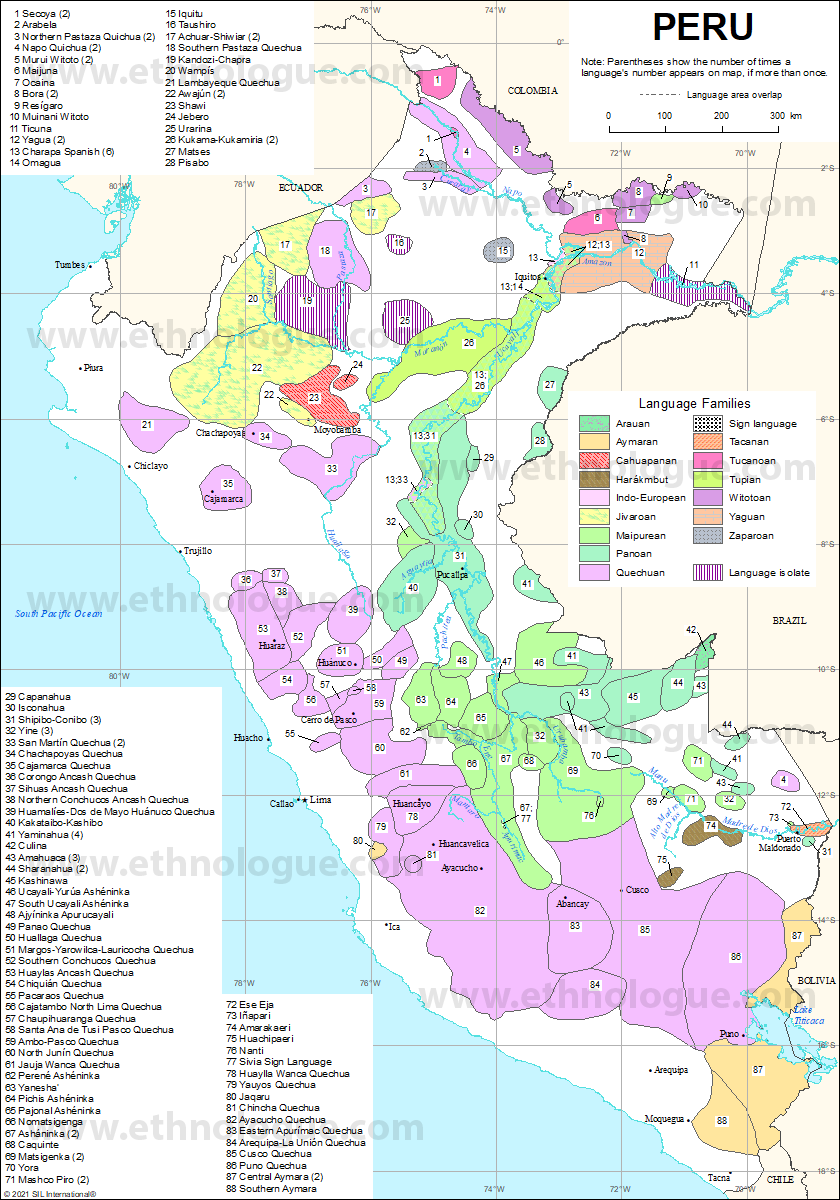
Peru
Graphs
Language Vitality Profile
Full explanation
Language Status Profile
Full explanation
Resources
View Terms
Each Ethnologue country digest is a licensed product with restricted terms of use. Before downloading the product, you must agree to the following terms:
- This is a license for individual use. Just as with a conventionally published book, it is a violation of copyright to make a copy and give it to others.
- You may not redistribute this work in any form, including ingesting the contents into a database that is shared with others or posting it on a web site (whether public or private).
To inquire about permission for reuse or redistribution, please use the Contact Us form in the footer.
Digest of the languages of Peru ($299.95, 76 page PDF)