
TR
Republic of Turkey
Turkey
Summary
- Official Name
- Republic of Turkey
- Population
- 84,680,000
- Principal Languages
- Turkish
- Literacy Rate
- 96% (2017 UNESCO)
- International Conventions
- CPPDCE (2006), CSICH (2012), ICCPR (1966), UNCRPD (2006), UNDRIP (2007)
- General References
- Andrews 1989, Campbell and King 2011, Comrie 1987, Izadi 1992, Sebeok 1963, Sebeok 1970
- Deaf Population
- 0.37% with ‘hearing disability’ (2002 Turkish Statistical Institute); 400,000 (1998 Turkish Ministry of Education, Özyürek 2004)
- Language Counts
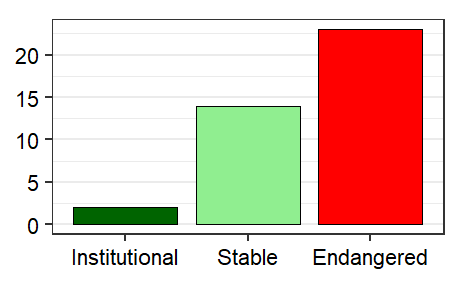
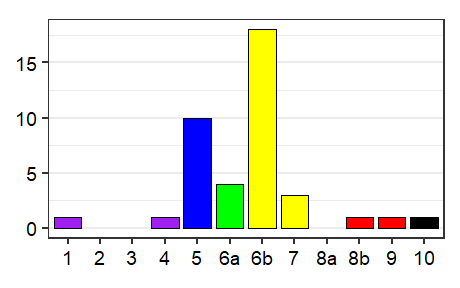
- The number of established languages listed for Turkey is 42. Of these, 41 are living and 1 is extinct. Of the living languages, 19 are indigenous and 22 are non-indigenous. Furthermore, 2 are institutional, 10 are developing, 4 are vigorous, 22 are in trouble, and 3 are dying. Also listed are 14 unestablished languages and 1 macrolanguage.
Languages
- Abaza abq
- Adana, Eskisehir, Kayseri, Samsun, and Yozgat provinces. Users: 13,200 in Turkey (2019). Status: 6b (Threatened). Alternate Names: Abazin, Ahuwa Classification: Abkhaz-Adyghe, Abkhaz-Abazin
- Abkhaz abk
- Eskisehir, Izmir, and Sakarya provinces. Users: 48,600 in Turkey (2019). Ethnic population: 150,000 (2014 NCRP). Status: 6b (Threatened). Alternate Names: Abxazo Classification: Abkhaz-Adyghe, Abkhaz-Abazin
- Adyghe ady
- Balikesir, Canakkale, Duzce, Eskisehir, Kayseri, and Samsun provinces. Users: 349,000 in Turkey (2019). 6,410 monolinguals (1965 census). Status: 6b (Threatened). Alternate Names: Adəgăbză, Adygey, Cherkes Classification: Abkhaz-Adyghe, Circassian
- Albanian, Gheg aln
- Samsun province. Status: 5* (Dispersed). Alternate Names: Gegnisht, Shqyp Classification: Indo-European, Albanian, Gheg
- Albanian, Tosk als
- Bursa, Edirne, Istanbul, Kirklareli, and Tekirdag provinces; scattered in western Turkey. Users: 72,900 in Turkey (2019). 1,100 monolinguals (1965 census). Status: 6b* (Threatened). Alternate Names: Shqip Classification: Indo-European, Albanian, Tosk
- Arabic, Mesopotamian Spoken acm
- Sanliurfa province. Users: 112,000 in Turkey (2019). Status: 6a* (Vigorous). Alternate Names: Mesopotamian Gelet Arabic Classification: Afro-Asiatic, Semitic, Central, South, Arabic
- Arabic, North Levantine Spoken apc
- Adana, Hatay, and Mersin provinces. Users: 4,250,000 in Turkey (2021), including 3,000,000 refugees from Syria (World Bank, UNHCR, Anadolu Agency). Status: 6b* (Threatened). Classification: Afro-Asiatic, Semitic, Central, South, Arabic
- Arabic, North Mesopotamian Spoken ayp
- Batman, Mardin, Mus, Sanliurfa, Siirt, and Sirnak provinces. Users: 574,000 in Turkey (2019). Status: 6a* (Vigorous). Alternate Names: Maslawi, Mesopotamian Qeltu Arabic, Moslawi, Syro-Mesopotamian Vernacular Arabic Classification: Afro-Asiatic, Semitic, Central, South, Arabic
- Arabic, Standard arb
- Scattered. Users: 686,000 in Turkey (2015 SIL), all users. Status: 4 (Educational). Recognized language (1982, Constitution, Article 3), used in education. Classification: Afro-Asiatic, Semitic, Central, South, Arabic
- Armenian, Western hyw
- All in Istanbul, except Hatay province: Samandağ district, Vakıflı Köyü village; Kars province. Users: 67,300 in Turkey (2019). 1,000 monolinguals (1965 census). Ethnic population: 70,000 (1980). Total users in all countries: 1,569,480. Status: 6b (Threatened). Autonym: արեւմտահայերէն (arevmdahayerên) Classification: Indo-European, Armenian
- Assyrian Neo-Aramaic aii
- Mardin province: Mardin Merkez district; Sirnak province: Silopi district. Both areas near Iraq border. Users: 27,600 in Turkey (2019). Status: Unestablished. Classification: Afro-Asiatic, Semitic, Central, Aramaic, Eastern, Central, Northeastern
- Azerbaijani, South azb
- Igdir and Kars provinces. Users: 596,000 in Turkey (2019). Status: 5* (Dispersed). Alternate Names: Azəricə, Azeri Classification: Turkic, Southern, Azerbaijani
- Balkan Gagauz Turkish bgx
- Edirne province (Surguch dialect). Users: 460,000 in Turkey (2019). 7,000 Surguch (1965) and 320,000 Yuruk. Total users in all countries: 464,000. Status: 7 (Shifting). Alternate Names: Balkan Turkic, Rumelian Turkish Autonym: Rumeli Türkçesi Classification: Turkic, Southern, Turkish
- Bosnian bos
- Users: 112,000 in Turkey (2019). Status: Unestablished. Classification: Indo-European, Balto-Slavic, Slavic, South, Western
- Bulgarian bul
- Edirne and other western provinces: scattered. Users: 395,000 in Turkey (2019). 98% Pomak (Leclerc 2014c). Status: 5* (Dispersed). Alternate Names: Pomak Classification: Indo-European, Balto-Slavic, Slavic, South, Eastern
- Chechen che
- Scattered: displaced-persons camps throughout the country. Users: 112,000 in Turkey (2019). Status: Unestablished. Classification: Nakh-Daghestanian, Nakh, Chechen-Ingush
- Chinese, Mandarin cmn
- Users: 42,000 in Turkey (2019). Status: Unestablished. Classification: Sino-Tibetan, Chinese
- Crimean Tatar crh
- Ankara province: Polatli district, Karakuyu, several villages. Users: 110,000 in Turkey (2019). Status: 6b (Threatened). Alternate Names: Crimean Turkish, Qırım Türkçesi, Qirim, Qirimtatar Classification: Turkic, Southern
- Domari rmt
- Scattered in the region between Mersin and Sanliurfa provinces. Users: A few scattered and isolated speaker populations (Herin 2016). Ethnic population: 14,000 (2022 A. Dusséaux). Total users in all countries: 1. Status: 6b (Threatened). Alternate Names: Dom, Gypsy, Mıtrıp, Middle Eastern Romani, Tsigene Classification: Indo-European, Indo-Iranian, Indo-Aryan, Intermediate Divisions, Western, Dom
- English eng
- Users: 47,000 in Turkey (2019). Status: Unestablished. Classification: Indo-European, Germanic, West, English
- French fra
- Users: 4,300 in Turkey (2019). Status: Unestablished. Classification: Indo-European, Italic, Romance, Italo-Western, Western, Gallo-Iberian, Gallo-Romance, Gallo-Rhaetian, Oïl, French
- Georgian kat
- Artvin, Ordu, Sakarya, and other provinces in north and northwest Anatolia. Users: 167,000 in Turkey (2019). 4,000 monolinguals (1965 census). Status: 6b* (Threatened). Alternate Names: Gruzin Classification: Kartvelian, Georgian
- German, Standard deu
- Users: 6,700 in Turkey (2019). Status: Unestablished. Classification: Indo-European, Germanic, West, High German, German, Middle German, East Middle German
- Greek ell
- Istanbul; some in Izmir province. Users: 4,000 in Turkey (2019). Status: 5* (Dispersed). Alternate Names: Yunan Classification: Indo-European, Greek, Attic
- Hértevin hrt
- Siirt province: Pervari county, Ekindüzü village. Users: 4 (2012 A. Ajansi). Status: 8b (Nearly extinct). Alternate Names: Hartevan, Hertevince Autonym: ܣܘܪܬ (Sôreth) Classification: Afro-Asiatic, Semitic, Central, Aramaic, Eastern, Central, Northeastern
- Kabardian kbd
- Kayseri province: Uzun Yayla plateau east of Kayseri city; Corum, Duzce, Eskisehir, Kahramanmarash, and Samsun provinces: scattered. Users: 1,170,000 in Turkey (2019 Circassian Association). Status: 6b (Threatened). Classification: Abkhaz-Adyghe, Circassian
- Karakalpak kaa
- Users: 81,700 in Turkey (2019). Status: Unestablished. Classification: Turkic, Western, Aralo-Caspian
- Kazakh kaz
- Kayseri province; Manisa province: Salihli district; Istanbul. Users: 8,500 in Turkey (2019). Status: 5* (Dispersed). Alternate Names: Kaisak, Kazakhi, Kazax, Kosach, Qazaq tili, Qazaqşa, Qazaqi Classification: Turkic, Western, Aralo-Caspian
- Kumyk kum
- Canakkale province: Biga district, Akköprü, Aziziye, Doğancı, and Geyikkırı villages. Users: 1,600 in Turkey (2021 Joshua Project), based on ethnicity. Status: 6b* (Threatened). Alternate Names: Kumuk, Kumuklar, Kumyki Classification: Turkic, Western, Ponto-Caspian
- Kurdish, Northern kmr
- Agri, Batman, Bingöl, Diyarbakir, Elazig, Hakkari, Igdir, Kars, Mardin, Mus, Siirt, Sirnak, Tunceli, and Van provinces. Users: 9,000,000 in Turkey (2019), decreasing. 3,000,000 monolinguals. Especially in Hakkari and Shirnak provinces. Total users in all countries: 15,713,120. Status: 6b (Threatened). Became widespread in the late 19th century with the nationalist movement demanding the establishment of a Kurdish state. Spoken mainly in eastern and southeastern Turkey. Used in poetry, general literature, education, and political documents. 48 people groups speak Kurdish as primary language. Alternate Names: Ezdiki, Kermancî, Kirmancî, Kurdish Kurmanji, Kurdiya jorîn, Kurdmancî, Kurdî, Kurmanji Kurdish, Kurmanjî Autonym: Kurdî-Kurmancî, Kurmancî Classification: Indo-European, Indo-Iranian, Iranian, Western, Northwestern, Kurdish
- Kyrgyz kir
- Kars and Van provinces. Status: 5* (Dispersed). Alternate Names: Kyrgyz tili, Kyrgyzcha Classification: Turkic, Western, Aralo-Caspian
- Ladino lad
- Mainly Istanbul; Izmir province: scattered. Users: 8,000 in Turkey (2018). Ethnic population: 13,000 (Leclerc 2014c). Status: 7 (Shifting). Alternate Names: Dzhudezmo, Haketia, Hakitia, Judeo Spanish, Judeo-Espagnol, Judezmo, Sefardi, Spanyol Classification: Indo-European, Italic, Romance, Italo-Western, Western, Gallo-Iberian, Ibero-Romance, West Iberian, Castilian
- Laz lzz
- Arkab, Artasen, Artvin, Atin, Bolu, Hopa, Kemer, Kocaeli, Rize, Sakarya, Sarp, and Vitse provinces. Users: 20,000 in Turkey (Salminen 2007). Ethnic population: 103,000 (2019). Total users in all countries: 22,000. Status: 6b* (Threatened). Alternate Names: Chan, Chanuri, Chanzan, Laze, Zan Autonym: Lazuri Classification: Kartvelian, Zan
- Lezgi lez
- Balikesir province: Balikesir Markesi district, central village Kirne; Yalova province. Users: 1,200 in Turkey (1996). Status: Unestablished. Classification: Nakh-Daghestanian, Lezgic, Nuclear Lezgic, East Lezgic
- Macedonian mkd
- Users: 35,000 in Turkey (2019). Status: Unestablished. Classification: Indo-European, Balto-Slavic, Slavic, South, Eastern
- Mardin Sign Language dsz
- Mardin province: Mardin city, near the Syrian border. Users: 40 (Dikyuva 2012), deaf and hearing members of the Dilsiz family. Status: 8b (Nearly extinct). Alternate Names: MarSL Classification: Sign language, Shared sign language
- Ossetic oss
- Ankara and Istanbul urban areas; Antalya and Mugla provinces along Mediterranean coast; Bitlis, Erzurum, and Kars (Sankamis district) provinces east. Users: 41,000 in Turkey (2019). Status: 6b (Threatened). Classification: Indo-European, Indo-Iranian, Iranian, Eastern, Northeastern
- Persian, Iranian pes
- Van province: Edremit and Van district on Lake Van eastern shore. Users: 682,000 in Turkey (2019). Status: Unestablished. Classification: Indo-European, Indo-Iranian, Iranian, Western, Southwestern, Persian
- Pontic pnt
- Trabzon province: Of, Çaykara, Sürmene, Maçka and Tonya counties. Users: 5,000 in Turkey (Schreiber 2015). Number of speakers as reported by language community members. Status: 7 (Shifting). Alternate Names: Coastal Pontic, Muslim Pontic, Romayka, Romeyka, Rumca, Rumcika, Rumka, Trabzon, Trapezountiac Classification: Indo-European, Greek, Attic
- Romani, Balkan rmn
- Widespread west: Izmir (Sepečides) and Edirne (Rumelian) provinces. Users: 72,900 in Turkey (2019). Status: 6a* (Vigorous). Alternate Names: Romani ćhib Classification: Indo-European, Indo-Iranian, Indo-Aryan, Intermediate Divisions, Western, Romani, Balkan
- Russian rus
- Users: 600,000 in Turkey (Arefyev 2012), all users. L1 users: 7,500 (2019). Status: Unestablished. Classification: Indo-European, Balto-Slavic, Slavic, East
- Serbian srp
- Canakkale, Edirne, Istanbul, Kirklareli, and Tekirdag provinces. Users: 5,000 in Turkey (2019). 2,350 monolinguals (1965 census). Ethnic population: 61,000. Status: 6b* (Threatened). Alternate Names: Serbo-Croatian Classification: Indo-European, Balto-Slavic, Slavic, South, Western
- Spanish spa
- Users: 16,000 in Turkey, all users. L1 users: 1,000 in Turkey (Instituto Cervantes 2019). L2 users: 15,000 (Instituto Cervantes 2019). Status: Unestablished. Classification: Indo-European, Italic, Romance, Italo-Western, Western, Gallo-Iberian, Ibero-Romance, West Iberian, Castilian
- Syriac syc
- Sanliurfa province. Users: No known L1 speakers. Ethnic population: No ethnic community. Status: 9 (Second language only). Alternate Names: Ancient Syriac, Classical Syriac, Lishana Atiga, Suryaya, Suryoyo, Syriac Aramaic, Syrian Aramaic, Syro-Aramaic Autonym: ܠܫܢܐ ܣܘܪܝܝܐ (Leššānā Suryāyā) Classification: Afro-Asiatic, Semitic, Central, Aramaic, Eastern
- Tatar tat
- Istanbul. Users: 28,700 in Turkey (2019). Status: 5* (Dispersed). Classification: Turkic, Western, Uralian
- Turkish tur
- Widespread. Users: 83,440,000 in Turkey, all users. L1 users: 77,600,000 in Turkey (European Commission 2006). L2 users: 5,840,000 (2019). Total users in all countries: 89,956,650 (as L1: 83,966,650; as L2: 5,990,000). Status: 1 (National). Statutory national language (1982, Constitution, Article 3). Alternate Names: Anatolian, Istanbul Turkish, Türkisch Autonym: Türkçe Classification: Turkic, Southern, Turkish
- Turkish Sign Language tsm
- Scattered. Users: 250,000 (2021 DBS/DOOR/SIL). Estimated 166,000–333,000 deaf signers, assuming 0.2%–0.4% of total population. Status: 6a (Vigorous). Recognized language (2005, Disabilities Act (Act No. 5378)), articles 15 and 30 provide for its use in education and communication, and for interpreting services. Recognized language (2006, The legislation on the identification of procedures and principles concerning the constitution and implementation of the Turkish sign language system, Official Gazette, No. 26139-14/4/2006), provides for a TİD Science and Approval Commission responsible for research and development, regulation of educational materials, and examination of interpreters; regulates sign language interpreters and teachers. Alternate Names: TİD, TID, Türk İşaret Dili Classification: Sign language, Deaf community sign language
- Turkmen tuk
- Tokat province. Status: 5* (Dispersed). Alternate Names: Trukhmen, Türkmen dili, Türkmençe Classification: Turkic, Southern, Turkmenian
- Turoyo tru
- Mardin and Sirnak provinces. Users: 16,600 in Turkey (2019). Ethnic population: 50,000 (1994). Total users in all countries: 103,100. Status: 6b* (Threatened). Alternate Names: Suryoyo, Syryoyo, Süryani, Turani Autonym: Surayt Classification: Afro-Asiatic, Semitic, Central, Aramaic, Eastern, Central, Northwestern
- Ubykh uby
- Istanbul province: Sea of Marmara area, Haci Osman village. Users: No known L1 speakers. The last speaker, Tevfik Esenç, died in 1992. Status: 10 (Extinct). Alternate Names: Oubykh, Pekhi, Ubyx Classification: Abkhaz-Adyghe, Ubyx
- Urdu urd
- Users: 24,300 in Turkey (2019). Status: Unestablished. Classification: Indo-European, Indo-Iranian, Indo-Aryan, Western Hindi, Hindustani
- Uyghur uig
- Istanbul and Kayseri provinces. Status: 5* (Dispersed). Alternate Names: Uighur, Uigur, Uygur Classification: Turkic, Eastern
- Uzbek, Southern uzs
- Hatay, Gaziantep, and Sanliurfa provinces. Users: 4,200 in Turkey (2019). Status: 5* (Dispersed). Alternate Names: O’zbek Classification: Turkic, Eastern
- Zaza zza
- Users: Population total all languages (L1 only): 1,483,000. Status:
- Zazaki, Northern kiu
- Bingöl province: Karkiova and Kigi districts; Elazig province: Elazig merkez and Karakoqan districts; Erzincan province; Erzurum province: Cayirli district; Malatya province; Mus province: Varto district; Sivas province, Divrigi, Imranli, Kangal, and Zara districts; Tunceli province: Hozat, Nazmiye, Ovacik, Pulumur, and Tunceli merkez districts; at least 83 total villages. Users: 203,000 in Turkey (2019). 3,000,000–4,000,000 speakers of Northern Zazaki and Southern Zazaki [diq] in Turkey and other countries (Paul 2009). Status: 6b (Threatened). Alternate Names: Alevica, Alevija, Dımılki, Dersımki, Dersimki, Dimilki, Kirmanjki, Northern Zaza, Shar Ma, Zaza, Zazaca, Zazaja, Zazaki Autonym: Kırmancki, So-Bê, Zonê Ma Classification: Indo-European, Indo-Iranian, Iranian, Western, Northwestern, Zaza-Gorani
- Zazaki, Southern diq
- Bingöl, Diyarbakir, and Elazig provinces: primarily Bingöl, Cermik, Dicle, Egil, Gerger, Palu, and Hani cities. Users: 1,280,000 (2019), decreasing. 3,000,000–4,000,000 speakers of Southern Zazaki and Northern Zazaki [kiu] in Turkey and other countries (Paul 2009). A few elderly monolinguals. Status: 6b (Threatened). Alternate Names: Dimilî, Southern Zaza, Zaza, Zazaca Autonym: Dimlî, Zazakî Classification: Indo-European, Indo-Iranian, Iranian, Western, Northwestern, Zaza-Gorani
Languages by Status
Turkish
[tur] 1 (National). Statutory national language (1982, Constitution, Article 3). 83,440,000 in Turkey, all users. L1 users: 77,600,000 in Turkey (European Commission 2006). L2 users: 5,840,000 (2019). Total users in all countries: 89,956,650 (as L1: 83,966,650; as L2: 5,990,000).
Arabic, Standard
[arb] 4 (Educational). Recognized language (1982, Constitution, Article 3), used in education. 686,000 in Turkey (2015 SIL), all users.
Albanian, Gheg
[aln] 5* (Dispersed).
Azerbaijani, South
[azb] 5* (Dispersed). 596,000 in Turkey (2019).
Bulgarian
[bul] 5* (Dispersed). 395,000 in Turkey (2019). 98% Pomak (Leclerc 2014c).
Greek
[ell] 5* (Dispersed). 4,000 in Turkey (2019).
Kazakh
[kaz] 5* (Dispersed). 8,500 in Turkey (2019).
Kyrgyz
[kir] 5* (Dispersed).
Tatar
[tat] 5* (Dispersed). 28,700 in Turkey (2019).
Turkmen
[tuk] 5* (Dispersed).
Uyghur
[uig] 5* (Dispersed).
Uzbek, Southern
[uzs] 5* (Dispersed). 4,200 in Turkey (2019).
Arabic, Mesopotamian Spoken
[acm] 6a* (Vigorous). 112,000 in Turkey (2019).
Arabic, North Mesopotamian Spoken
[ayp] 6a* (Vigorous). 574,000 in Turkey (2019).
Romani, Balkan
[rmn] 6a* (Vigorous). 72,900 in Turkey (2019).
Turkish Sign Language
[tsm] 6a (Vigorous). Recognized language (2005, Disabilities Act (Act No. 5378)), articles 15 and 30 provide for its use in education and communication, and for interpreting services. Recognized language (2006, The legislation on the identification of procedures and principles concerning the constitution and implementation of the Turkish sign language system, Official Gazette, No. 26139-14/4/2006), provides for a TİD Science and Approval Commission responsible for research and development, regulation of educational materials, and examination of interpreters; regulates sign language interpreters and teachers. 250,000 (2021 DBS/DOOR/SIL). Estimated 166,000–333,000 deaf signers, assuming 0.2%–0.4% of total population.
Abaza
[abq] 6b (Threatened). 13,200 in Turkey (2019).
Abkhaz
[abk] 6b (Threatened). 48,600 in Turkey (2019). Ethnic population: 150,000 (2014 NCRP).
Adyghe
[ady] 6b (Threatened). 349,000 in Turkey (2019). 6,410 monolinguals (1965 census).
Albanian, Tosk
[als] 6b* (Threatened). 72,900 in Turkey (2019). 1,100 monolinguals (1965 census).
Arabic, North Levantine Spoken
[apc] 6b* (Threatened). 4,250,000 in Turkey (2021), including 3,000,000 refugees from Syria (World Bank, UNHCR, Anadolu Agency).
Armenian, Western
[hyw] 6b (Threatened). 67,300 in Turkey (2019). 1,000 monolinguals (1965 census). Ethnic population: 70,000 (1980). Total users in all countries: 1,569,480.
Crimean Tatar
[crh] 6b (Threatened). 110,000 in Turkey (2019).
Domari
[rmt] 6b (Threatened). A few scattered and isolated speaker populations (Herin 2016). Ethnic population: 14,000 (2022 A. Dusséaux). Total users in all countries: 1.
Georgian
[kat] 6b* (Threatened). 167,000 in Turkey (2019). 4,000 monolinguals (1965 census).
Kabardian
[kbd] 6b (Threatened). 1,170,000 in Turkey (2019 Circassian Association).
Kumyk
[kum] 6b* (Threatened). 1,600 in Turkey (2021 Joshua Project), based on ethnicity.
Kurdish, Northern
[kmr] 6b (Threatened). Became widespread in the late 19th century with the nationalist movement demanding the establishment of a Kurdish state. Spoken mainly in eastern and southeastern Turkey. Used in poetry, general literature, education, and political documents. 48 people groups speak Kurdish as primary language. 9,000,000 in Turkey (2019), decreasing. 3,000,000 monolinguals. Especially in Hakkari and Shirnak provinces. Total users in all countries: 15,713,120.
Laz
[lzz] 6b* (Threatened). 20,000 in Turkey (Salminen 2007). Ethnic population: 103,000 (2019). Total users in all countries: 22,000.
Ossetic
[oss] 6b (Threatened). 41,000 in Turkey (2019).
Serbian
[srp] 6b* (Threatened). 5,000 in Turkey (2019). 2,350 monolinguals (1965 census). Ethnic population: 61,000.
Turoyo
[tru] 6b* (Threatened). 16,600 in Turkey (2019). Ethnic population: 50,000 (1994). Total users in all countries: 103,100.
Zazaki, Northern
[kiu] 6b (Threatened). 203,000 in Turkey (2019). 3,000,000–4,000,000 speakers of Northern Zazaki and Southern Zazaki [diq] in Turkey and other countries (Paul 2009).
Zazaki, Southern
[diq] 6b (Threatened). 1,280,000 (2019), decreasing. 3,000,000–4,000,000 speakers of Southern Zazaki and Northern Zazaki [kiu] in Turkey and other countries (Paul 2009). A few elderly monolinguals.
Balkan Gagauz Turkish
[bgx] 7 (Shifting). 460,000 in Turkey (2019). 7,000 Surguch (1965) and 320,000 Yuruk. Total users in all countries: 464,000.
Ladino
[lad] 7 (Shifting). 8,000 in Turkey (2018). Ethnic population: 13,000 (Leclerc 2014c).
Pontic
[pnt] 7 (Shifting). 5,000 in Turkey (Schreiber 2015). Number of speakers as reported by language community members.
Hértevin
[hrt] 8b (Nearly extinct). 4 (2012 A. Ajansi).
Mardin Sign Language
[dsz] 8b (Nearly extinct). 40 (Dikyuva 2012), deaf and hearing members of the Dilsiz family.
Ubykh
[uby] 10 (Extinct). No known L1 speakers. The last speaker, Tevfik Esenç, died in 1992.
Assyrian Neo-Aramaic
[aii] Unestablished. 27,600 in Turkey (2019).
Bosnian
[bos] Unestablished. 112,000 in Turkey (2019).
Chechen
[che] Unestablished. 112,000 in Turkey (2019).
Chinese, Mandarin
[cmn] Unestablished. 42,000 in Turkey (2019).
English
[eng] Unestablished. 47,000 in Turkey (2019).
French
[fra] Unestablished. 4,300 in Turkey (2019).
German, Standard
[deu] Unestablished. 6,700 in Turkey (2019).
Karakalpak
[kaa] Unestablished. 81,700 in Turkey (2019).
Lezgi
[lez] Unestablished. 1,200 in Turkey (1996).
Macedonian
[mkd] Unestablished. 35,000 in Turkey (2019).
Persian, Iranian
[pes] Unestablished. 682,000 in Turkey (2019).
Russian
[rus] Unestablished. 600,000 in Turkey (Arefyev 2012), all users. L1 users: 7,500 (2019).
Spanish
[spa] Unestablished. 16,000 in Turkey, all users. L1 users: 1,000 in Turkey (Instituto Cervantes 2019). L2 users: 15,000 (Instituto Cervantes 2019).
Urdu
[urd] Unestablished. 24,300 in Turkey (2019).
Maps
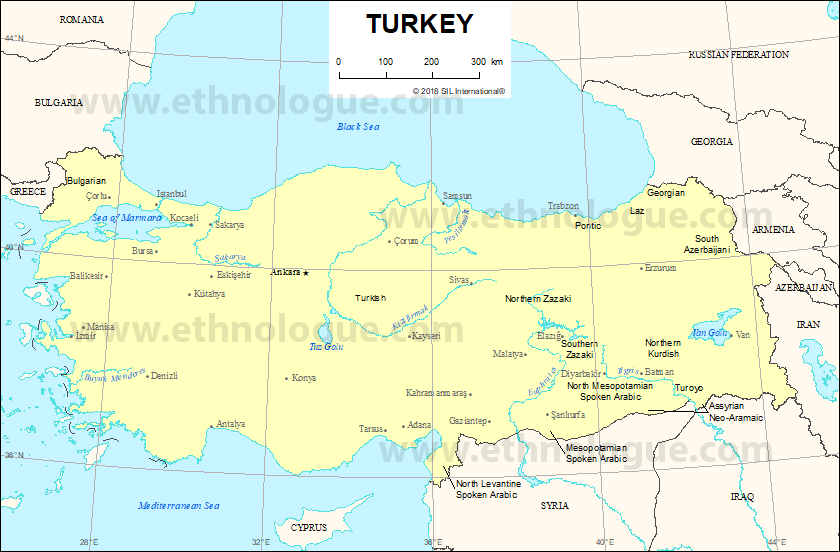
Turkey
Graphs
Language Vitality Profile
Full explanation
Language Status Profile
Full explanation
Resources
View Terms
Each Ethnologue country digest is a licensed product with restricted terms of use. Before downloading the product, you must agree to the following terms:
- This is a license for individual use. Just as with a conventionally published book, it is a violation of copyright to make a copy and give it to others.
- You may not redistribute this work in any form, including ingesting the contents into a database that is shared with others or posting it on a web site (whether public or private).
To inquire about permission for reuse or redistribution, please use the Contact Us form in the footer.
Digest of the languages of Turkey ($199.95, 45 page PDF)