
UZ
Republic of Uzbekistan
Uzbekistan
Summary
- Official Name
- Republic of Uzbekistan
- Population
- 34,382,000
- Principal Languages
- Northern Uzbek, Russian
- Literacy Rate
- 100% (2018 UNESCO)
- International Conventions
- CDE (1960), CPPDCE (2006), CSICH (2012), ICCPR (1966)
- General References
- Akiner 1983, Campbell and King 2011, Paper 1978, Sebeok 1963
- Deaf Population
- 22,060
- Language Counts
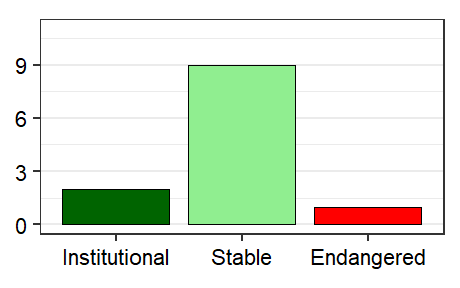
- The number of established languages listed for Uzbekistan is 12. All are living languages. Of these, 5 are indigenous and 7 are non-indigenous. Furthermore, 2 are institutional, 7 are developing, 2 are vigorous, and 1 is dying. Also listed are 26 unestablished languages and 1 macrolanguage.
Languages
- Arabic, Uzbeki Spoken auz
- Bukhoro, Navoiy, and Qashqadaryo regions; Samarkand region, middle and lower Zerafshan valley, some in Katta-Kurgan town; small villages. Users: 700 (1992 G. Watson). Status: 8a (Moribund). Alternate Names: Central Asian Arabic, Jugari, Jugari Arabic, Uzbeki Arabic, Uzbekistan Arabic Classification: Afro-Asiatic, Semitic, Central, South, Arabic
- Armenian, Western hyw
- Toshkent City; Samarqand region. Users: 65,700 in Uzbekistan (2019). Status: 5* (Developing). Classification: Indo-European, Armenian
- Azerbaijani, North azj
- Scattered. Users: 59,600 in Uzbekistan (2019). Status: Unestablished. Classification: Turkic, Southern, Azerbaijani
- Bashkort bak
- Scattered. Users: 46,500 in Uzbekistan (2019). Status: Unestablished. Classification: Turkic, Western, Uralian
- Belarusian bel
- Scattered. Users: 21,200 in Uzbekistan (2019). Status: Unestablished. Classification: Indo-European, Balto-Slavic, Slavic, East
- Bukharic bhh
- Bukhoro region: cultural center. Users: 3,840 in Uzbekistan (2019). Status: 6a* (Vigorous). Alternate Names: Bokharian, Bokharic, Bukharan, Bukharin, Judeo-Tajik Classification: Indo-European, Indo-Iranian, Iranian, Western, Southwestern, Persian
- Chechen che
- Users: 1,700 in Uzbekistan (2019). Status: Unestablished. Classification: Nakh-Daghestanian, Nakh, Chechen-Ingush
- Chuvash chv
- Samarqand and Toshkent regions. Users: 13,100 in Uzbekistan (2019). Status: Unestablished. Classification: Turkic, Bolgar
- Crimean Tatar crh
- Navoiy and Samarqand regions. Users: 177,000 in Uzbekistan (2019). Status: 5* (Developing). Alternate Names: Crimean Turkish, Qırım Türkçesi, Qirim, Qirimtatar Classification: Turkic, Southern
- Dargwa dar
- Khorezm province: north. Users: 2,600 in Uzbekistan (2019). Status: Unestablished. Classification: Nakh-Daghestanian, Dargi
- Dungan dng
- Users: 1,700 in Uzbekistan (2019). Status: Unestablished. Classification: Sino-Tibetan, Chinese
- Erzya myv
- Toshkent region. Users: 16,200 in Uzbekistan (2019). Status: Unestablished. Classification: Uralic, Mordvin
- Georgian kat
- Khorezm region: north near Turkmenistan border. Users: 6,200 in Uzbekistan (2019). Status: Unestablished. Classification: Kartvelian, Georgian
- German, Standard deu
- Users: 17,200 in Uzbekistan (2019). Status: Unestablished. Classification: Indo-European, Germanic, West, High German, German, Middle German, East Middle German
- Greek ell
- Users: 5,300 in Uzbekistan (2019). Status: Unestablished. Classification: Indo-European, Greek, Attic
- Karakalpak kaa
- Karakalpakstan Autonomous Republic; Bukhoro, Navoiy, and Khorezm regions along lower Amu river, south Aral Sea area. Users: 726,000 in Uzbekistan (2019). Ethnic population: 726,000 (2019 World Factbook). Total users in all countries: 869,870. Status: 5* (Developing). Statutory language of provincial identity in Karakalpakstan (1995, Official Language Law (amended), 3561-XI, Article 3). Alternate Names: Kara-Kalpak, Karaklobuk, Klobouki, Tchorny Autonym: Qaraqalpaq tili, Қарақалпақ тили (Qaraqalpaq tili) Classification: Turkic, Western, Aralo-Caspian
- Kazakh kaz
- Karakalpakstan Autonomous Republic; Bukhoro, Jizzakh, Navoiy, and Sirdaryo regions. Users: 824,000 in Uzbekistan (2019). Ethnic population: 825,000 (2019 World Factbook). Status: 5* (Dispersed). Classification: Turkic, Western, Aralo-Caspian
- Korean kor
- Toshkent City. Users: 182,000 in Uzbekistan (2019). Status: 5* (Dispersed). Classification: Koreanic
- Kyrgyz kir
- Andijon, Farg’ona, and Namangan regions: scattered. Users: 282,000 in Uzbekistan (2019). Status: Unestablished. Classification: Turkic, Western, Aralo-Caspian
- Lak lbe
- Users: 3,700 in Uzbekistan (2019). Status: Unestablished. Classification: Nakh-Daghestanian, Lak
- Lezgi lez
- Qoraqalpog’iston Republic: Amundaryo district, Nukus area. Users: 4,000 in Uzbekistan (2019). Status: Unestablished. Classification: Nakh-Daghestanian, Lezgic, Nuclear Lezgic, East Lezgic
- Lithuanian lit
- Users: 2,000 in Uzbekistan (2010 J. Leclerc). Status: Unestablished. Classification: Indo-European, Balto-Slavic, Baltic, Eastern
- Mari, Meadow mhr
- Users: 5,000 in Uzbekistan (2019). Status: Unestablished. Classification: Uralic, Mari
- Ossetic oss
- Users: 7,800 in Uzbekistan (2019). Status: Unestablished. Classification: Indo-European, Indo-Iranian, Iranian, Eastern, Northeastern
- Parya paq
- Sukhondaryo region: upper Surkhandarya valley. Users: 1,000 in Uzbekistan (2008). Status: Unestablished. Classification: Indo-European, Indo-Iranian, Indo-Aryan, Intermediate Divisions, Western, Unclassified
- Persian, Iranian pes
- Xorazm region; scattered elsewhere. Users: 33,300 in Uzbekistan (2019). Status: Unestablished. Classification: Indo-European, Indo-Iranian, Iranian, Western, Southwestern, Persian
- Polish pol
- Users: 3,300 in Uzbekistan (2019). Status: Unestablished. Classification: Indo-European, Balto-Slavic, Slavic, West, Lechitic
- Romanian ron
- Users: 8,000 in Uzbekistan (2019). Status: Unestablished. Classification: Indo-European, Italic, Romance, Eastern
- Russian rus
- Major cities. Users: 11,800,000 in Uzbekistan (Arefyev 2012), all users. L1 users: 4,720,000 (2019 World Factbook). Ethnic population: 759,000 (2019 World Factbook). Status: 3 (Wider communication). De facto national working language. Alternate Names: Rossiya Classification: Indo-European, Balto-Slavic, Slavic, East
- Russian Sign Language rsl
- Scattered. Users: 22,000 in Uzbekistan (2008 WFD). Another estimate: 100,000–200,000, assuming 0.3%–0.6% of the total population (2021 DBS/DOOR/SIL). Status: 6a (Vigorous). Classification: Sign language, Deaf community sign language
- Tajik tgk
- Bukhoro, Farg’ona, Navoiy, Qashqadaryo, Samarqand, and Surkhondaryo regions. Users: 1,450,000 in Uzbekistan (2019 World Factbook). Ethnic population: 1,580,000 (2019 World Factbook). Status: 5* (Dispersed). Alternate Names: Tajiki Classification: Indo-European, Indo-Iranian, Iranian, Western, Southwestern, Persian
- Tatar tat
- Users: 702,000 in Uzbekistan (2017). Ethnic population: 479,000 (2017). Status: Unestablished. Classification: Turkic, Western, Uralian
- Turkish tur
- Bukhoro, Jizzakh, Navoiy, Qashqadaryo, Samarqand, and Sirdaryo provinces. Users: 143,000 in Uzbekistan (2019). Status: 5* (Dispersed). Alternate Names: Osmanli, Türkçe Classification: Turkic, Southern, Turkish
- Turkmen tuk
- Scattered along Turkmenistan border. Users: 197,000 in Uzbekistan (2019). Status: Unestablished. Classification: Turkic, Southern, Turkmenian
- Udmurt udm
- Users: 4,140 in Uzbekistan (2019). Status: Unestablished. Classification: Uralic, Permian
- Ukrainian ukr
- Users: 72,700 in Uzbekistan (2019). Status: Unestablished. Classification: Indo-European, Balto-Slavic, Slavic, East
- Uyghur uig
- Andijon, Farg’ona, and Namangan regions; cultural centers: Andijon and Toshkent cities; scattered elsewhere. Users: 48,500 in Uzbekistan (2019). Status: Unestablished. Classification: Turkic, Eastern
- Uzbek uzb
- Users: Population total all languages (L1 only): 31,137,920. Status:
- Uzbek, Northern uzn
- Widespread. Users: 24,500,000 in Uzbekistan (2019 World Factbook). Ethnic population: 27,600,000 (2019 World Factbook). Total users in all countries: 27,746,540. Status: 1 (National). Statutory national language (1995, Official Language Law (amended), 3561-XI, Article 1). Alternate Names: oʻzbek, oʻzbekcha, Özbek Autonym: oʻzbek tili, ўзбек тили (oʻzbek tili) Classification: Turkic, Eastern
Languages by Status
Uzbek, Northern
[uzn] 1 (National). Statutory national language (1995, Official Language Law (amended), 3561-XI, Article 1). 24,500,000 in Uzbekistan (2019 World Factbook). Ethnic population: 27,600,000 (2019 World Factbook). Total users in all countries: 27,746,540.
Russian
[rus] 3 (Wider communication). De facto national working language. 11,800,000 in Uzbekistan (Arefyev 2012), all users. L1 users: 4,720,000 (2019 World Factbook). Ethnic population: 759,000 (2019 World Factbook).
Kazakh
[kaz] 5* (Dispersed). 824,000 in Uzbekistan (2019). Ethnic population: 825,000 (2019 World Factbook).
Korean
[kor] 5* (Dispersed). 182,000 in Uzbekistan (2019).
Tajik
[tgk] 5* (Dispersed). 1,450,000 in Uzbekistan (2019 World Factbook). Ethnic population: 1,580,000 (2019 World Factbook).
Turkish
[tur] 5* (Dispersed). 143,000 in Uzbekistan (2019).
Armenian, Western
[hyw] 5* (Developing). 65,700 in Uzbekistan (2019).
Crimean Tatar
[crh] 5* (Developing). 177,000 in Uzbekistan (2019).
Karakalpak
[kaa] 5* (Developing). Statutory language of provincial identity in Karakalpakstan (1995, Official Language Law (amended), 3561-XI, Article 3). 726,000 in Uzbekistan (2019). Ethnic population: 726,000 (2019 World Factbook). Total users in all countries: 869,870.
Bukharic
[bhh] 6a* (Vigorous). 3,840 in Uzbekistan (2019).
Russian Sign Language
[rsl] 6a (Vigorous). 22,000 in Uzbekistan (2008 WFD). Another estimate: 100,000–200,000, assuming 0.3%–0.6% of the total population (2021 DBS/DOOR/SIL).
Arabic, Uzbeki Spoken
[auz] 8a (Moribund). 700 (1992 G. Watson).
Azerbaijani, North
[azj] Unestablished. 59,600 in Uzbekistan (2019).
Bashkort
[bak] Unestablished. 46,500 in Uzbekistan (2019).
Belarusian
[bel] Unestablished. 21,200 in Uzbekistan (2019).
Chechen
[che] Unestablished. 1,700 in Uzbekistan (2019).
Chuvash
[chv] Unestablished. 13,100 in Uzbekistan (2019).
Dargwa
[dar] Unestablished. 2,600 in Uzbekistan (2019).
Dungan
[dng] Unestablished. 1,700 in Uzbekistan (2019).
Erzya
[myv] Unestablished. 16,200 in Uzbekistan (2019).
Georgian
[kat] Unestablished. 6,200 in Uzbekistan (2019).
German, Standard
[deu] Unestablished. 17,200 in Uzbekistan (2019).
Greek
[ell] Unestablished. 5,300 in Uzbekistan (2019).
Kyrgyz
[kir] Unestablished. 282,000 in Uzbekistan (2019).
Lak
[lbe] Unestablished. 3,700 in Uzbekistan (2019).
Lezgi
[lez] Unestablished. 4,000 in Uzbekistan (2019).
Lithuanian
[lit] Unestablished. 2,000 in Uzbekistan (2010 J. Leclerc).
Mari, Meadow
[mhr] Unestablished. 5,000 in Uzbekistan (2019).
Ossetic
[oss] Unestablished. 7,800 in Uzbekistan (2019).
Parya
[paq] Unestablished. 1,000 in Uzbekistan (2008).
Persian, Iranian
[pes] Unestablished. 33,300 in Uzbekistan (2019).
Polish
[pol] Unestablished. 3,300 in Uzbekistan (2019).
Romanian
[ron] Unestablished. 8,000 in Uzbekistan (2019).
Tatar
[tat] Unestablished. 702,000 in Uzbekistan (2017). Ethnic population: 479,000 (2017).
Turkmen
[tuk] Unestablished. 197,000 in Uzbekistan (2019).
Udmurt
[udm] Unestablished. 4,140 in Uzbekistan (2019).
Ukrainian
[ukr] Unestablished. 72,700 in Uzbekistan (2019).
Uyghur
[uig] Unestablished. 48,500 in Uzbekistan (2019).
Maps
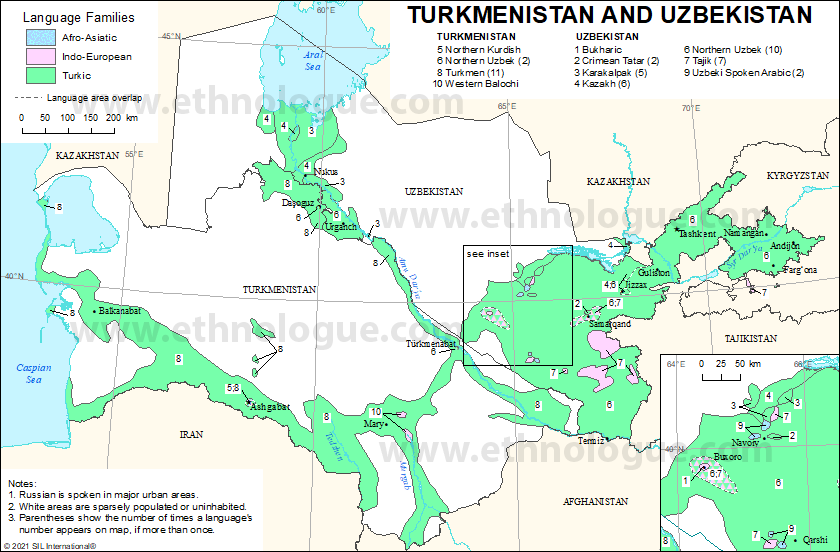
Turkmenistan and Uzbekistan
Graphs
Language Vitality Profile
Full explanation
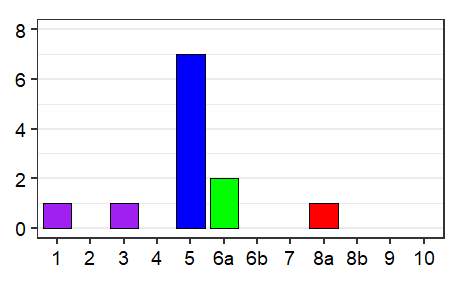
Language Status Profile
Full explanation
Resources
View Terms
Each Ethnologue country digest is a licensed product with restricted terms of use. Before downloading the product, you must agree to the following terms:
- This is a license for individual use. Just as with a conventionally published book, it is a violation of copyright to make a copy and give it to others.
- You may not redistribute this work in any form, including ingesting the contents into a database that is shared with others or posting it on a web site (whether public or private).
To inquire about permission for reuse or redistribution, please use the Contact Us form in the footer.
Digest of the languages of Uzbekistan ($149.95, 23 page PDF)