
ZW
Republic of Zimbabwe
Zimbabwe
Summary
- Official Name
- Republic of Zimbabwe
- Population
- 15,331,000
- Principal Languages
- English
- Literacy Rate
- 89% (2014 UNESCO)
- International Conventions
- ACHPR (1987), CPPDCE (2006), CSICH (2012), ICCPR (1966), UNCRPD (2006), UNDRIP (2007)
- General References
- Bendor-Samuel and Hartell 1989, Campbell and King 2011
- Language Counts
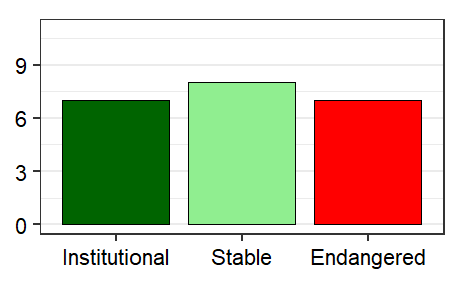
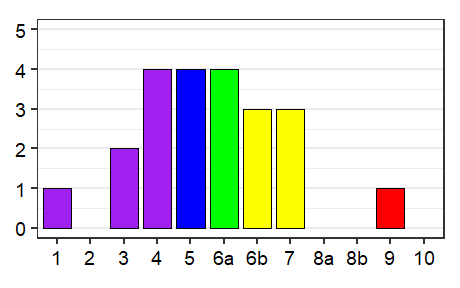
- The number of established languages listed for Zimbabwe is 23. All are living languages. Of these, 16 are indigenous and 7 are non-indigenous. Furthermore, 3 are institutional, 9 are developing, 4 are vigorous, 6 are in trouble, and 1 is dying. Also listed are 4 unestablished languages.
Languages
- Afrikaans afr
- Users: 93,000 in Zimbabwe (2020 Joshua Project), based on ethnicity. Status: Unestablished. Classification: Indo-European, Germanic, West, Low Saxon-Low Franconian, Low Franconian
- Barwe bwg
- Manicaland province: Nyanga district, Nyamaropa area, Mashumba, Mbiriyade, Mukatsa, Mukwewa, and Sangoma wards; possibly Mashonaland East province: Mudzi district. Status: 6b* (Threatened). Recognized language (2013, Constitution, Article 6(1)). Alternate Names: ChiBarwe Classification: Niger-Congo, Atlantic-Congo, Volta-Congo, Benue-Congo, Bantoid, Southern, Narrow Bantu, Central, N, Senga-Sena (N.44)
- Birwa brl
- Matabeleland South province: Beitbridge, Bulilimamangwe, Gwanda and Matobo districts. Users: 56,000 in Zimbabwe (1982 census). Status: 6b* (Threatened). Recognized language (2013, Constitution, Article 6(1)). Alternate Names: Sotho Classification: Niger-Congo, Atlantic-Congo, Volta-Congo, Benue-Congo, Bantoid, Southern, Narrow Bantu, Central, S, Sotho-Tswana (S.32)
- Chichewa nya
- Mashonaland Central province; possible communities in Harare and other urban areas. Users: 405,000 in Zimbabwe (2012). Status: 6a* (Vigorous). Recognized language (2013, Constitution, Article 6(1)). Alternate Names: Chicheŵa, Chinyanja, Nyanja Classification: Niger-Congo, Atlantic-Congo, Volta-Congo, Benue-Congo, Bantoid, Southern, Narrow Bantu, Central, N, Chewa-Nyanja (N.31)
- Dombe dov
- Matabeleland North province: Hwange district, Lukosi area; southwest of confluence of Shangani and Zambezi rivers. Status: 6a* (Vigorous). Alternate Names: Toka-Leya-Dombe Classification: Niger-Congo, Atlantic-Congo, Volta-Congo, Benue-Congo, Bantoid, Southern, Narrow Bantu, Central, M, Lenje-Tonga (M.64)
- English eng
- Users: 5,585,000 in Zimbabwe, all users. L1 users: 485,000 in Zimbabwe (2019). L2 users: 5,100,000 (2019). Status: 1 (National). De facto national language. Classification: Indo-European, Germanic, West, English
- Greek ell
- Users: 7,800 in Zimbabwe (2020 Joshua Project), based on ethnicity. Status: Unestablished. Classification: Indo-European, Greek, Attic
- Gujarati guj
- Users: 30,000 in Zimbabwe (2020 Joshua Project), based on ethnicity. Status: Unestablished. Classification: Indo-European, Indo-Iranian, Indo-Aryan, Intermediate Divisions, Western, Gujarati
- Kalanga kck
- Matabeleland South province: Bulilimamangwe and Matobo districts; Matabeleland North province: Tsholotsho district. Users: 196,000 in Zimbabwe (2012). Total users in all countries: 367,000. Status: 5* (Developing). Recognized language (2013, Constitution, Article 6(1)). Alternate Names: Bakaa, Chikalanga, Ikalanga, Kalana, Kanana, Makalaka, Sekalaña, Wakalanga, Western Shona Autonym: Tjikalanga Classification: Niger-Congo, Atlantic-Congo, Volta-Congo, Benue-Congo, Bantoid, Southern, Narrow Bantu, Central, S, Shona (S.16)
- Kunda kdn
- Mashonaland Central province: Guruve district. Users: 145,000 in Zimbabwe (2000). Total users in all countries: 162,760. Status: 6b* (Threatened). Alternate Names: Achikunda, Chikunda, Cikunda Autonym: Mu Chikunda Classification: Niger-Congo, Atlantic-Congo, Volta-Congo, Benue-Congo, Bantoid, Southern, Narrow Bantu, Central, N, Senga-Sena (N.42)
- Lozi loz
- Matabeleland North province: Zambia border west of Victoria Falls. Users: 70,000 in Zimbabwe (1982). Status: 7 (Shifting). Recognized language (2013, Constitution, Article 6(1)). Alternate Names: Kololo, Rotse, Rotvi, Rozi, Rutse, Silozi, Tozvi Classification: Niger-Congo, Atlantic-Congo, Volta-Congo, Benue-Congo, Bantoid, Southern, Narrow Bantu, Central, K, Lozi (K.21)
- Manyika mxc
- Manicaland province: Makoni, Mutasa, Mutare, and Nyanga districts, northwest of Umtali. Users: 405,000 in Zimbabwe (2012). Total users in all countries: 551,000. Status: 6a* (Vigorous). Alternate Names: Bamanyeka, Chimanyika, Manika, Manyika Shona, Wamanyika, Wanyika Classification: Niger-Congo, Atlantic-Congo, Volta-Congo, Benue-Congo, Bantoid, Southern, Narrow Bantu, Central, S, Shona (S.13)
- Nambya nmq
- Matabeleland North province: primarily Hwange district; Binga and Lupane districts; Bulawayo. Users: 90,000 in Zimbabwe (Chebanne and Nthapelelang 2000). Total users in all countries: 105,000. Status: 5* (Developing). Recognized language (2013, Constitution, Article 6(1)). Alternate Names: Banyai, Chinambya, Nambzya, Nanzva Autonym: chiNambya Classification: Niger-Congo, Atlantic-Congo, Volta-Congo, Benue-Congo, Bantoid, Southern, Narrow Bantu, Central, S, Shona (S.16)
- Ndau ndc
- Manicaland province: Melsetter area south of Umtali; Masvingo province: Bikita district. Users: 800,000 in Zimbabwe (Chebanne and Nthapelelang 2000). Status: 5* (Developing). Recognized language (2013, Constitution, Article 6(1)). Alternate Names: Chindau, Ndzawu, Njao, Sofala, Southeast Shona Classification: Niger-Congo, Atlantic-Congo, Volta-Congo, Benue-Congo, Bantoid, Southern, Narrow Bantu, Central, S, Shona (S.15)
- Ndebele nde
- Bulawayo, Matabeleland North, and Matabeleland South provinces; Midlands province: Gokwe South, Gueru, Kwekwe, Mberengwa, and Shurugwi districts. Users: 3,010,000 in Zimbabwe, all users. L1 users: 1,610,000 in Zimbabwe (2012). L2 users: 1,400,000 (2019). Total users in all countries: 3,046,200 (as L1: 1,646,200; as L2: 1,400,000). Status: 3 (Wider communication). Recognized language (2013, Constitution, Article 6(1)). Offshoot of the Nguni language, Ndebele tribe broke away from the Zulu empire in the early 19th century. Gained vitality under the powerful indigenous kingdom of Mzilikazi in the 19th century. Used in daily life. Alternate Names: Isinde’bele, Ndebele of Zimbabwe, Northern Ndebele, Sindebele, Tabele, Tebele Autonym: isiNdebele Classification: Niger-Congo, Atlantic-Congo, Volta-Congo, Benue-Congo, Bantoid, Southern, Narrow Bantu, Central, S, Nguni (S.44)
- Nsenga nse
- Mashonaland Central province: Mozambique border; Mount Darwin, Muzarabani, and Rushinga districts. Users: 16,100 in Zimbabwe (1969 census). Status: 7 (Shifting). Alternate Names: Chinsenga, Cinsenga, Senga Classification: Niger-Congo, Atlantic-Congo, Volta-Congo, Benue-Congo, Bantoid, Southern, Narrow Bantu, Central, N, Senga-Sena (N.41)
- Pidgin Bantu fng
- Mashonaland Central province; widespread in Shona speaking areas, mining camps, and urban centers. Users: No known L1 speakers in Zimbabwe. Ethnic population: No ethnic community. Status: 9 (Second language only). Alternate Names: Isilololo, Isipiki, Lololo, Piki, “Fanagalo” (pej.), “Fanakalo” (pej.), “Fanekolo” (pej.), “Isikula” (pej.) Classification: Pidgin, Zulu based
- Portuguese por
- Users: 17,000 in Zimbabwe (2020 Joshua Project), based on ethnicity. Status: Unestablished. Classification: Indo-European, Italic, Romance, Italo-Western, Western, Gallo-Iberian, Ibero-Romance, West Iberian, Portuguese-Galician
- Setswana tsn
- Matabeleland South province: Bulilimamangwe district, between Ramoquabane and Simukwe rivers. Users: 29,400 in Zimbabwe (1969 census). Status: 5* (Dispersed). Recognized language (2013, Constitution, Article 6(1)). Alternate Names: Beetjuans, Chuana, Chwana, Coana, Cuana, Sechuana, Tshwana, Tswana Classification: Niger-Congo, Atlantic-Congo, Volta-Congo, Benue-Congo, Bantoid, Southern, Narrow Bantu, Central, S, Sotho-Tswana (S.31)
- Shona sna
- Harare, Mashonaland Central, Mashonaland East, Mashonaland West, and Midlands provinces. Manicaland province, Nyanga district (Hwesa dialect); Mashonaland East, Mudzi and Mutoko districts (Budja dialect). Users: 10,660,000 in Zimbabwe, all users. L1 users: 7,160,000 in Zimbabwe (2012). L2 users: 3,500,000 (2019). Total users in all countries: 10,865,590 (as L1: 7,365,590; as L2: 3,500,000). Status: 3 (Wider communication). Recognized language (2013, Constitution, Article 6(1)). Migrated to what is today’s Zimbabwe during the great Bantu expansion in the first half of the first millennium; became widespread in the 11th century. Gained vitality duiring British control at the end of the 19th century. Used in trade, literary tradition, and education. Alternate Names: chiShona, “Swina” (pej.) Autonym: Chishona Classification: Niger-Congo, Atlantic-Congo, Volta-Congo, Benue-Congo, Bantoid, Southern, Narrow Bantu, Central, S, Shona (S.10)
- Tonga toi
- Mashonaland Central: Mount Darwin district; Mashonaland West province: Kariba district; Matabeleland North province: Binga district; Midlands province: Gokwe North and Gokwe South districts. South shore of Lake Kariba and inland. Users: 200,000 in Zimbabwe (Hachipola 1998). Status: 5* (Dispersed). Recognized language (2013, Constitution, Article 6(1)). Alternate Names: Batonga, Chitonga, Zambezi Classification: Niger-Congo, Atlantic-Congo, Volta-Congo, Benue-Congo, Bantoid, Southern, Narrow Bantu, Central, M, Lenje-Tonga (M.64)
- Tsoa hio
- Matabeleland North province: Hwange and Tsholotsho districts; Matabeleland South province: Bulilimamangwe district; Botswana border. Users: 3,540 in Zimbabwe (2000). Status: 7 (Shifting). Recognized language (2013, Constitution, Article 6(1)), listed as ‘Koisan’. Alternate Names: Amasili, Bakhwa, Basarwa, Chware, Haitshuwau, Hiechware, Hietshware, Khoisan, Koi-san, Koisan, Tjwao, Tshikwa, Tshuwau, Tshwa, Tshwao, Tshwawo Classification: Khoe-Kwadi, Khoe, Kalahari Khoe, Northeast
- Tsonga tso
- Masvingo province, Chiredzi, Mwenezi, and Zaka districts; near Mozambique border. Users: 100,000 in Zimbabwe (Hachipola 1998). Status: 5* (Dispersed). Recognized language (2013, Constitution, Article 6(1)). Alternate Names: Gwamba, Shangani, Shitsonga, Thonga, Tonga, Vatsonga, Xitsonga Classification: Niger-Congo, Atlantic-Congo, Volta-Congo, Benue-Congo, Bantoid, Southern, Narrow Bantu, Central, S, Tswa-Rhonga (S.53)
- Tswa tsc
- Manicaland province: southern area; Masvingo province; Matabeleland South province: Beitbridge; Midlands province: Mberengwa. Status: 6a* (Vigorous). Alternate Names: Kitshwa, Sheetshwa, Shitshwa, Tshwa, Xitshwa Classification: Niger-Congo, Atlantic-Congo, Volta-Congo, Benue-Congo, Bantoid, Southern, Narrow Bantu, Central, S, Tswa-Rhonga (S.51)
- Venda ven
- Matabeleland South province: Beitbridge, Bulilimamangwe, and Gwanda districts; Midlands province: Mberengwa district. Users: 91,400 in Zimbabwe (2012). Status: 5* (Dispersed). Recognized language (2013, Constitution, Article 6(1)). Alternate Names: Cevenda, Chivenda, Luvenḓa, Tshivenḓa Classification: Niger-Congo, Atlantic-Congo, Volta-Congo, Benue-Congo, Bantoid, Southern, Narrow Bantu, Central, S, Venda (S.21)
- Xhosa xho
- Matabeleland North: Bubi district, Kenilworth and Motapa areas; Matabeleland South: Insiza and Umzingwane districts, Bembesi, Filabusi, and Fort Rixon areas. Users: 33,000 in Zimbabwe (2021 Joshua Project), based on ethnicity. Ethnic population: 200,000 (Kunju 2017). Status: 5* (Dispersed). Recognized language (2013, Constitution, Article 6(1)). Classification: Niger-Congo, Atlantic-Congo, Volta-Congo, Benue-Congo, Bantoid, Southern, Narrow Bantu, Central, S, Nguni (S.41)
- Zimbabwe Sign Language zib
- Mashonaland Central province: Muzarabani district, Centenary area. Users: 73,000 (2021 DBS/DOOR/SIL). Estimated 44,000–88,000, assuming 0.3%–0.6% of the total population. However, there are 280,000 deaf members reported for the Zimbabwe National Association of the Deaf (2008 WFD), which is almost 2%. Status: 5 (Developing). Recognized language (2010, Constitution, Article 6(1)). Alternate Names: Zimsign Classification: Sign language, Deaf community sign language
Languages by Status
English
[eng] 1 (National). De facto national language. 5,585,000 in Zimbabwe, all users. L1 users: 485,000 in Zimbabwe (2019). L2 users: 5,100,000 (2019).
Ndebele
[nde] 3 (Wider communication). Recognized language (2013, Constitution, Article 6(1)). Offshoot of the Nguni language, Ndebele tribe broke away from the Zulu empire in the early 19th century. Gained vitality under the powerful indigenous kingdom of Mzilikazi in the 19th century. Used in daily life. 3,010,000 in Zimbabwe, all users. L1 users: 1,610,000 in Zimbabwe (2012). L2 users: 1,400,000 (2019). Total users in all countries: 3,046,200 (as L1: 1,646,200; as L2: 1,400,000).
Shona
[sna] 3 (Wider communication). Recognized language (2013, Constitution, Article 6(1)). Migrated to what is today’s Zimbabwe during the great Bantu expansion in the first half of the first millennium; became widespread in the 11th century. Gained vitality duiring British control at the end of the 19th century. Used in trade, literary tradition, and education. 10,660,000 in Zimbabwe, all users. L1 users: 7,160,000 in Zimbabwe (2012). L2 users: 3,500,000 (2019). Total users in all countries: 10,865,590 (as L1: 7,365,590; as L2: 3,500,000).
Setswana
[tsn] 5* (Dispersed). Recognized language (2013, Constitution, Article 6(1)). 29,400 in Zimbabwe (1969 census).
Tonga
[toi] 5* (Dispersed). Recognized language (2013, Constitution, Article 6(1)). 200,000 in Zimbabwe (Hachipola 1998).
Tsonga
[tso] 5* (Dispersed). Recognized language (2013, Constitution, Article 6(1)). 100,000 in Zimbabwe (Hachipola 1998).
Venda
[ven] 5* (Dispersed). Recognized language (2013, Constitution, Article 6(1)). 91,400 in Zimbabwe (2012).
Xhosa
[xho] 5* (Dispersed). Recognized language (2013, Constitution, Article 6(1)). 33,000 in Zimbabwe (2021 Joshua Project), based on ethnicity. Ethnic population: 200,000 (Kunju 2017).
Kalanga
[kck] 5* (Developing). Recognized language (2013, Constitution, Article 6(1)). 196,000 in Zimbabwe (2012). Total users in all countries: 367,000.
Nambya
[nmq] 5* (Developing). Recognized language (2013, Constitution, Article 6(1)). 90,000 in Zimbabwe (Chebanne and Nthapelelang 2000). Total users in all countries: 105,000.
Ndau
[ndc] 5* (Developing). Recognized language (2013, Constitution, Article 6(1)). 800,000 in Zimbabwe (Chebanne and Nthapelelang 2000).
Zimbabwe Sign Language
[zib] 5 (Developing). Recognized language (2010, Constitution, Article 6(1)). 73,000 (2021 DBS/DOOR/SIL). Estimated 44,000–88,000, assuming 0.3%–0.6% of the total population. However, there are 280,000 deaf members reported for the Zimbabwe National Association of the Deaf (2008 WFD), which is almost 2%.
Chichewa
[nya] 6a* (Vigorous). Recognized language (2013, Constitution, Article 6(1)). 405,000 in Zimbabwe (2012).
Dombe
[dov] 6a* (Vigorous).
Manyika
[mxc] 6a* (Vigorous). 405,000 in Zimbabwe (2012). Total users in all countries: 551,000.
Tswa
[tsc] 6a* (Vigorous).
Barwe
[bwg] 6b* (Threatened). Recognized language (2013, Constitution, Article 6(1)).
Birwa
[brl] 6b* (Threatened). Recognized language (2013, Constitution, Article 6(1)). 56,000 in Zimbabwe (1982 census).
Kunda
[kdn] 6b* (Threatened). 145,000 in Zimbabwe (2000). Total users in all countries: 162,760.
Lozi
[loz] 7 (Shifting). Recognized language (2013, Constitution, Article 6(1)). 70,000 in Zimbabwe (1982).
Nsenga
[nse] 7 (Shifting). 16,100 in Zimbabwe (1969 census).
Tsoa
[hio] 7 (Shifting). Recognized language (2013, Constitution, Article 6(1)), listed as ‘Koisan’. 3,540 in Zimbabwe (2000).
Afrikaans
[afr] Unestablished. 93,000 in Zimbabwe (2020 Joshua Project), based on ethnicity.
Greek
[ell] Unestablished. 7,800 in Zimbabwe (2020 Joshua Project), based on ethnicity.
Gujarati
[guj] Unestablished. 30,000 in Zimbabwe (2020 Joshua Project), based on ethnicity.
Portuguese
[por] Unestablished. 17,000 in Zimbabwe (2020 Joshua Project), based on ethnicity.
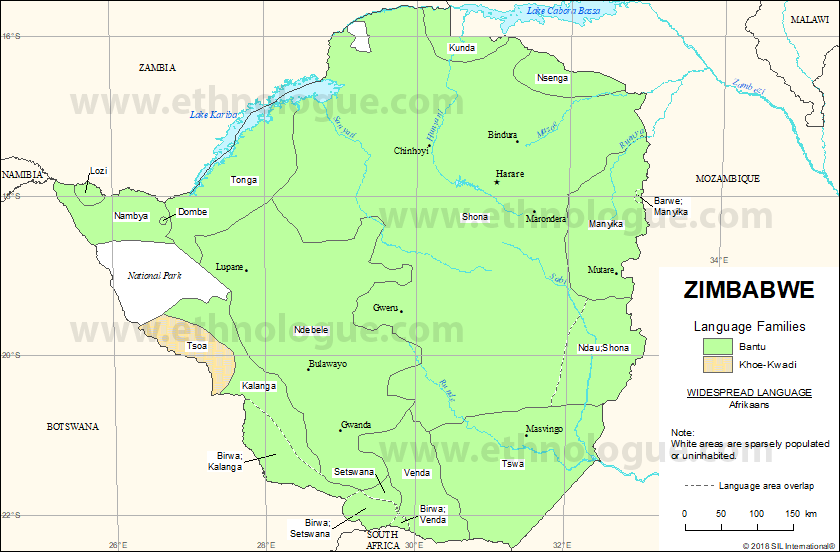
Maps
Zimbabwe
Graphs
Language Vitality Profile
Full explanation
Language Status Profile
Full explanation
Resources
View Terms
Each Ethnologue country digest is a licensed product with restricted terms of use. Before downloading the product, you must agree to the following terms:
- This is a license for individual use. Just as with a conventionally published book, it is a violation of copyright to make a copy and give it to others.
- You may not redistribute this work in any form, including ingesting the contents into a database that is shared with others or posting it on a web site (whether public or private).
To inquire about permission for reuse or redistribution, please use the Contact Us form in the footer.
Digest of the languages of Zimbabwe ($149.95, 32 page PDF)