
arb ISO 639
العربية (al-ʻArabīyah) Autonyms
Arabic, Standard
Visualizations
Language Cloud
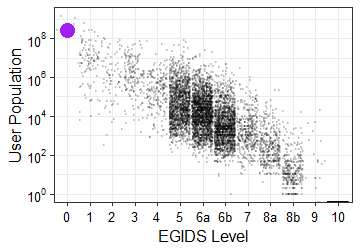
Full explanation
A language of Saudi Arabia
- ISO 639
- arb
- Alternate Names
- Al-’Arabiyya, Literary Arabic
- Autonym
- العربية (al-ʻArabīyah)
- Population
- 24,900,000 in Saudi Arabia (2014 SIL), all users. Total users in all countries: 273,989,700.
- Location
- Widespread.
- Language Maps
- Language Status
- 1 (National). Statutory national language (1992, Basic Law, Article 1).
- Classification
- Afro-Asiatic, Semitic, Central, South, Arabic
- Dialects
- Modern Standard Arabic (MSA, Modern Literary Arabic), Classical Arabic (Koranic Arabic, Quranic Arabic). Preserves the ancient grammar. Lexical similarity (based on percentage of common words): When comparing Modern Standard Arabic (MSA) to Algerian [arq] (21%), Tunisian [aeb] (38%), Palestinian [ajp] (52%), Syrian [apc] (38%), Jordanian [ajp], and Egyptian [arz] spoken varieties, South Levantine Spoken Arabic [ajp] as spoken in Palestine is the most similar to MSA (Kwaik et al 2018, Harrat et al 2015). A member of macrolanguage Arabic [ara].
- Typology
- VSO; prepositions; noun head initial; gender (masculine/feminine); dual number; definite and indefinite affixes; case-marking (3 cases); verb affixes mark number, gender of subject; aspect; 28 consonant and 6 vowel phonemes; non-tonal; stress on first syllable; triliteral roots, few affixes.
- Language Use
- Not an L1. In most Arab countries only the well-educated have adequate proficiency in Modern Standard Arabic. Education, official purposes, written materials, and formal speeches. Classical Arabic, with archaic vocabulary, is used for religion and ceremonial purposes.
- Language Development
- Fully developed. Bible: 1645–2008.
- Writing
- Arabic script, Naskh variant [Arab], primary usage. Braille script [Brai].
- Other Comments
- Modern Standard Arabic is modernized Classical Arabic.
- Language Resources
- OLAC resources in and about Arabic, Standard
Also Spoken in
- Location
- Widespread.
- Language Status
- 1 (National)
- Language Use
- Education, official purposes, formal speeches.
- Other Comments
- Non-indigenous. View other languages of United Arab Emirates
Language Name
Arabic, Standard
User Population
3,090,000 in United Arab Emirates (2014 SIL), all users.
- Location
- Widespread.
- Language Status
- 1 (National)
- Language Use
- Education, official purposes.
- Language Development
- Taught in all primary and secondary schools. Taught as subject in all primary and secondary schools.
- Other Comments
- Non-indigenous. View other languages of Bahrain
Language Name
Arabic, Standard
User Population
612,000 in Bahrain (2013 SIL), all users.
- Language Status
- 1 (National)
- Language Development
- Taught in some primary and secondary schools, specifically in Koranic schools.
- Other Comments
- Non-indigenous. View other languages of Djibouti
Language Name
Arabic, Standard
User Population
40,100 in Djibouti (2015 SIL), all users.
- Language Status
- 1 (National)
- Language Use
- Not an L1. Written materials, formal speeches.
- Language Development
- Most are literate in Standard Arabic [arb].
- Other Comments
- Non-indigenous. View other languages of Algeria
Language Name
Arabic, Standard
User Population
28,700,000 in Algeria (2015 SIL), all users.
- Location
- Widespread.
- Language Status
- 1 (National)
- Language Use
- Not an L1. Nearly all written materials and formal speeches.
- Language Development
- Taught in all primary and secondary schools. Taught in most tertiary schools.
- Other Comments
- Non-indigenous. View other languages of Egypt
Language Name
Arabic, Standard
User Population
65,500,000 in Egypt (2015 SIL), all users.
- Language Status
- 1 (National)
- Other Comments
- Non-indigenous. View other languages of Western Sahara
Language Name
Arabic, Standard
User Population
287,000 in Western Sahara (2015 SIL), all users.
- Location
- Widespread.
- Language Status
- 1 (National)
- Language Use
- Media, literature, government, religion. Used by all. Positive attitudes.
- Language Development
- Taught in primary schools.
- Other Comments
- Non-indigenous. View other languages of Eritrea
Language Name
Arabic, Standard
User Population
2,420,000 in Eritrea (2015 SIL), all users.
- Location
- Widespread.
- Language Status
- 1 (National)
- Language Use
- Education and communication among Arabic-speaking countries.
- Language Development
- Taught in all primary and secondary schools in Arab schools.
- Other Comments
- Non-indigenous. View other languages of Israel
Language Name
Arabic, Standard
User Population
2,170,000 in Israel (2014 SIL), all users.
- Location
- Widespread.
- Language Status
- 1 (National)
- Language Use
- Education, official purposes.
- Language Development
- Taught in all primary and secondary schools.
- Other Comments
- Non-indigenous. View other languages of Iraq
Language Name
Arabic, Standard
User Population
27,200,000 in Iraq (2015 SIL), all users.
- Location
- Widespread.
- Language Status
- 4 (Educational)
- Language Development
- Taught as subject in secondary schools.
- Other Comments
- Non-indigenous. View other languages of Iran
Language Name
Arabic, Standard
User Population
1,320,000 in Iran (2015 SIL), all users.
- Location
- Widespread.
- Language Status
- 1 (National)
- Language Use
- Use promoted for students. Regional varieties used less in schools. Official purposes, print publications, communication in Arabic-speaking countries.
- Language Development
- Taught in primary schools.
- Other Comments
- Non-indigenous. View other languages of Jordan
Language Name
Arabic, Standard
User Population
5,770,000 in Jordan (2015 SIL), all users.
- Location
- Widespread.
- Language Status
- 1 (National)
- Language Use
- Not a L1.
- Language Development
- Taught as subject in most secondary schools.
- Other Comments
- Non-indigenous. View other languages of Comoros
Language Name
Arabic, Standard
- Location
- Widespread.
- Language Status
- 1 (National)
- Language Use
- Education, official purposes.
- Other Comments
- Non-indigenous. View other languages of Kuwait
Language Name
Arabic, Standard
User Population
1,670,000 in Kuwait (2015 SIL), all users.
- Location
- Widespread.
- Language Status
- 1 (National)
- Language Use
- Education, print publications, official purposes, communication among Arabic speaking countries.
- Other Comments
- Non-indigenous. View other languages of Lebanon
Language Name
Arabic, Standard
User Population
5,220,000 in Lebanon (2015 SIL), all users.
- Language Status
- 1 (National)
- Language Use
- Not an L1. Nearly all written materials, formal speeches.
- Language Development
- Taught in primary schools.
- Other Comments
- Non-indigenous. View other languages of Libya
Language Name
Arabic, Standard
User Population
5,650,000 in Libya (2015 SIL), all users.
- Language Status
- 1 (National)
- Language Use
- Education, official purposes, communication among Arabic-speaking countries.
- Language Development
- Taught in all primary and secondary schools.
- Other Comments
- Non-indigenous. View other languages of Morocco
Language Name
Arabic, Standard
User Population
14,500,000 in Morocco (2015 SIL), all users.
- Location
- Widespread.
- Language Status
- 4 (Educational)
- Language Development
- Taught in some primary schools in madrasas, private Islamic schools, for primary education. The government of Mali estimates that about 30% of school-going children are enrolled in madrasas.
- Other Comments
- Non-indigenous. View other languages of Mali
Language Name
Arabic, Standard
User Population
41,800 in Mali (2015 SIL), all users.
- Location
- Widespread.
- Language Status
- 1 (National)
- Language Use
- Education, official purposes, formal speeches.
- Other Comments
- Non-indigenous. View other languages of Mauritania
Language Name
Arabic, Standard
User Population
1,840,000 in Mauritania (2013 SIL), all users.
- Location
- Widespread.
- Language Status
- 4 (Educational)
- Language Use
- There are fifteen College of Arts and Islamic Studies in Niger that give specialized attention to Arabic. Used as L2 by Tagdal [tda].
- Language Development
- Taught in primary schools in early grades only.
- Other Comments
- Non-indigenous. View other languages of Niger
Language Name
Arabic, Standard
User Population
7,800 in Niger (2015 SIL), all users.
- Location
- Widespread.
- Language Status
- 1 (National)
- Language Use
- Education, official purposes, formal speeches.
- Other Comments
- Non-indigenous. View other languages of Oman
Language Name
Arabic, Standard
User Population
2,140,000 in Oman (2015 SIL), all users.
- Location
- Widespread.
- Dialects
- None known. Lexical similarity: When comparing Standard Arabic [arb] to Algerian [arq], Tunisian [aeb], Palestinian [ajp], Syrian [apc], Jordanian [ajp], and Egyptian [arz] spoken varieties, South Levantine Spoken Arabic as spoken in Palestine is the most similar to Standard Arabic (Kwaik et al 2018).
- Language Status
- 1 (National)
- Language Use
- Education, official purpose, formal speeches.
- Other Comments
- Non-indigenous. View other languages of Palestine
Language Name
Arabic, Standard
User Population
4,040,000 in Palestine (2014 SIL), all users.
- Location
- Widespread.
- Language Status
- 1 (National)
- Language Use
- Education, official purposes, formal speeches.
- Other Comments
- Non-indigenous. View other languages of Qatar
Language Name
Arabic, Standard
User Population
1,100,000 in Qatar (2015 SIL), all users.
- Dialects
- None known. Not intelligible with Sudanese Spoken Arabic [apd] or Sudanese Arabic Creole [pga].
- Language Status
- 1 (National)
- Language Use
- Not L1, but taught in schools. Written materials and formal speeches.
- Language Development
- Taught in primary and secondary schools.
- Other Comments
- Non-indigenous. View other languages of Sudan
Language Name
Arabic, Standard
User Population
26,900,000 in Sudan (2015 SIL), all users.
- Language Status
- 1 (National)
- Language Use
- Most Somalis very limited or no proficiency in Arabic.
- Language Development
- Taught as subject in secondary schools.
- Other Comments
- Non-indigenous. View other languages of Somalia
Language Name
Arabic, Standard
User Population
2,050,000 in Somalia (2015 SIL), all users.
- Location
- Scattered.
- Language Status
- 5 (Dispersed)
- Language Use
- Language of education, no statutory status before 2011; now English is being considered as the language of education (2016 UNICEF).
- Language Development
- Taught as subject in a few primary and secondary schools from upper primary, especially closer to the Sudan border.
- Other Comments
- Non-indigenous. View other languages of South Sudan
Language Name
Arabic, Standard
User Population
3,130,000 in South Sudan (2016 SIL), all users.
- Location
- Widespread.
- Language Status
- 1 (National)
- Language Use
- Education, print publications, official purposes, formal speeches.
- Other Comments
- Non-indigenous. View other languages of Syria
Language Name
Arabic, Standard
User Population
15,900,000 in Syria (2015 SIL), all users.
- Language Status
- 1 (National)
- Language Development
- Taught in a few primary and secondary schools.
- Other Comments
- Non-indigenous. View other languages of Chad
Language Name
Arabic, Standard
User Population
615,000 in Chad (2014 SIL), all users.
- Language Status
- 1 (National)
- Language Use
- Not an L1. Written materials and formal speeches.
- Language Development
- Taught in primary schools.
- Other Comments
- Non-indigenous. View other languages of Tunisia
Language Name
Arabic, Standard
User Population
8,790,000 in Tunisia (2014 SIL), all users.
- Location
- Scattered.
- Language Status
- 4 (Educational)
- Language Development
- Taught as subject in some primary and secondary schools in grades 4–8.
- Other Comments
- Non-indigenous. View other languages of Turkey
Language Name
Arabic, Standard
User Population
686,000 in Turkey (2015 SIL), all users.
- Location
- Scattered.
- Language Status
- 9 (Second language only)
- Language Use
- Liturgical language only. Mosques, Islamic schools.
- Other Comments
- Non-indigenous. View other languages of Tanzania
Language Name
Arabic, Standard
User Population
No known L1 speakers in Tanzania. Ethnic population: No ethnic community.
- Location
- Widespread.
- Language Status
- 1 (National)
- Language Use
- Education, official purposes, formal speeches.
- Other Comments
- Non-indigenous. View other languages of Yemen
Language Name
Arabic, Standard
User Population
17,700,000 in Yemen (2015 SIL), all users.