
auc ISO 639
Wao Tededö Autonyms
Waorani
Visualizations
Language Cloud
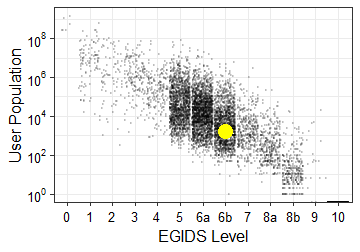
Full explanation
A language of Ecuador
- ISO 639
- auc
- Alternate Names
- Huao, Huao Auca, Huaorani, Sabela, Wao, Wao Terero, Wao Tiriro, Waodäni, Waodäni Tededö, Waos, Waotededo, “Auca” (pej.)
- Autonym
- Wao Tededö
- Population
- 1,650 (2004). Ethnic population: 2,420 (2010 census).
- Location
- Orellana province: south from Tiputini river, including portions of Yasuní National Park; Pastaza province: Arajuno and Pastaza cantons including a small group near Puyo community; Napo province; eastern jungle between Napo and Curaray rivers.
- Language Maps
- Ecuador
- Language Status
- 6b (Threatened).
- Classification
- Language isolate
- Typology
- SOV; 12 consonants and 20 vowels, contrasting in length and nasality.
- Language Use
- The language is considered to be endangered due to emerging Huaorani-Quichua bilingualism brought about by mixed marriages and bilingual education programs taught by Quichua teachers who do not speak Huaorani (Crevels 2007). Some of all ages. A few also use Napo Quichua [qvo]. A few also use Northern Pastaza Quichua [qvz]. A few also use Shuar [jiv]. A few also use Tena Lowland Quichua [quw], mostly those who are married to Quichua and their children. Also use Spanish [spa].
- Language Development
- Literature. Grammar. Texts. NT: 1992.
- Writing
- Latin script [Latn].
- Other Comments
- Mixed marriage families include mostly Quichua but also Shuar [jiv] and Záparo [zro] individuals who rely upon Spanish [spa] for communication (2015 P. Kelley). Spanish is more likely to extinguish the language because the mixed marriages tend to use both languages plus the attraction to Spanish-speaking towns and impact by non-Waorani teachers who are aggressive in denigrating Waorani (2015 J. Yost). Traditional religion, Christian.
- Language Resources
- OLAC resources in and about Waorani