
bao ISO 639
Waimaja Autonyms
Waimaha
Visualizations
Language Cloud
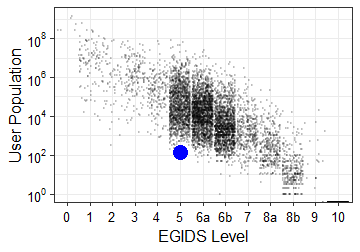
Full explanation
A language of Colombia
- ISO 639
- bao
- Alternate Names
- Barasano, Barasano del Norte, Bará-Tuyuka, Northern Barasano, Waimasa, Waymasa, “Bará” (pej.)
- Autonym
- Waimaja
- Population
- 110 in Colombia (Crevels 2012). Some monolinguals over 40. Ethnic population: 1,000 (2018 census). Total users in all countries: 131.
- Location
- Vaupés department: Mitú, upper Papurí, mid and upper Pira-Paraná tributaries, and Tiquié.
- Language Maps
- Northwestern Brazil, Southeastern Colombia
- Language Status
- 5 (Developing).
- Classification
- Tucanoan, Eastern Tucanoan, Bará-Tuyuka
- Dialects
- Eastern Waimaha, Pamoa Bara.
- Typology
- SOV; 10 consonants and 12 vowels (6 oral, 6 nasal).
- Language Use
- Passed on from fathers to children. Most domains, home, family, religion, local commerce, community. Used by all. Positive attitudes. Some also use Spanish [spa], especially in school and with government officials. Also use Barasana-Eduria [bsn]. Also use Carapana [cbc]. Also use Macuna [myy]. Also use Tatuyo [tav]. Also use Tucano [tuo]. Also use Tuyuca [tue]. Also use Wajiara [yui]. All use 2 to 4 of the other languages due to marriage patterns across language boundaries. Children speak the language of each parent, but identify with the father’s language. Used as L2 by Tuyuca [tue].
- Language Development
- Literacy rate in L1: 25%. Literacy rate in L2: 25%–40%. Letter writing between communities. Written and oral forms used in religious services. Taught as subject in primary schools. Literature. NT: 2010.
- Writing
- Latin script [Latn].
- Other Comments
- Christian, traditional religion.
- Language Resources
- OLAC resources in and about Waimaha
Also Spoken in
- Location
- Amazonas state: Terra Indigena Pari Cachoeira, Bittencourt and Iauareté municipalities; Terra Indigena Pari Cachoeira II, Iauareté municipality; Terra Indigena Pari Cachoeira III, Bittencourt municipality, all on upper Tiquié river.
- Language Status
- 8b (Nearly extinct)
- Language Use
- Increasingly self-identifying as Tucano [tuo]. Shifted to Tucano [tuo]. Many also use Portuguese [por]. Used as L2 by Pokangá [pok], Tuyuca [tue]. View other languages of Brazil
Language Name
Waimaha
User Population
21 in Brazil (Crevels 2012). Ethnic population: 21 (Crevels 2012).