
isk ISO 639
Ishkashimi
Visualizations
Language Cloud
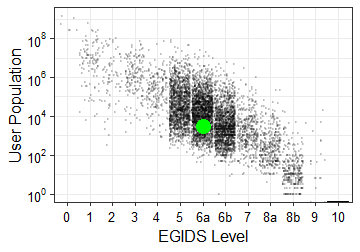
Full explanation
A language of Afghanistan
- ISO 639
- isk
- Alternate Names
- Eshkashimi, Ishkashim, Ishkashmi
- Population
- 2,500 in Afghanistan (2009 S. Beck), decreasing. No monolinguals. Ethnic population: 2,500 (2009 S. Beck). Total users in all countries: 3,000.
- Location
- Badakhshan province: Ishkashim and Wakham districts; north of Ishkashim in Bahar Bazar, Darwan, Qaz Deh, Xermani, Zargaran, and Zayad villages.
- Language Maps
- Afghanistan, Kyrgyzstan and Tajikistan
- Language Status
- 6b (Threatened).
- Classification
- Indo-European, Indo-Iranian, Iranian, Eastern, Southeastern, Pamir
- Dialects
- None known. Ishkashimi intelligible to Sanglechi [sgy] speakers, but Sanglechi not intelligible to Ishkashimi speakers. Lexical similarity: 70% with Sanglechi [sgy].
- Language Use
- Some parents used Dari [prs] with their children to provide them with better chances in school. Only now do the people realize that this might cause the language to become endangered. About half the households use Ishkashimi with the younger generation. Home, village. Some young people, all adults. Positive attitudes. All also use Dari [prs].
- Language Development
- Literacy rate in L2: 15%–25%. Most children now become literate in Dari [prs] because they attend school. Grammar.
- Writing
- Unwritten [Qaax].
- Other Comments
- Most Sanglechi [sgy] have a positive attitude toward Ishkashimi and consider it closely related, whereas the Ishkashimi do not have a good attitude toward Sanglechi. Muslim.
- Language Resources
- OLAC resources in and about Ishkashimi
Also Spoken in
- Location
- Kuhistoni Badakhshon region: Ryn and Sumjin villages, near Ishkashim.
- Language Status
- 6a (Vigorous)
- Language Use
- Ishkashimi is very vital. This is because the fathers very much insist on their children acquiring Ishkashimi as their first language when they grow up. Home, village. Used by all. Positive attitudes.
- Other Comments
- Muslim. View other languages of Tajikistan
Language Name
Ishkashimi
User Population
500 in Tajikistan (1990 A. Kibrik).