
khb ISO 639
ᦅᧄᦺᦑᦟᦹᧉ (Kam Tai Lue), ᦺᦑ ᦟᦹᧉ (Dai Lue) Autonyms
Lü
Visualizations
Language Cloud
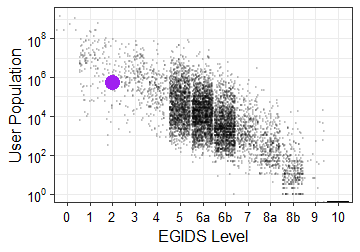
Full explanation
A language of China
- ISO 639
- khb
- Alternate Names
- Dai, Dai Le, Dai Lue, Lu, Lue, Ly, Pai’i’, Pai-I, Shui-Pai-I, Sipsongpanna Dai, Tai Lu, Xishuangbanna Dai
- Autonym
- ᦅᧄᦺᦑᦟᦹᧉ (Kam Tai Lue), ᦺᦑ ᦟᦹᧉ (Dai Lue)
- Population
- 280,000 in China (2000 census). 140,000 monolinguals. Total users in all countries: 555,760.
- Location
- Yunnan province: Xishuangbanna Dai autonomous prefecture, 3 counties: Jinghong (Chiang Hung, Chien Rung), Menghai, and Mengla; some in Simao municipal prefecture, Jiangcheng Hani and Yi Autonomous counties.
- Language Maps
- Eastern Central Myanmar, Laos, Northern Thailand, Northwestern Viet Nam, Southwestern China
- Language Status
- 2 (Provincial). Language of recognized nationality: Dai. Some speakers of other languages use Lü as L2 for trade.
- Classification
- Kra-Dai, Kam-Tai, Tai, Southwestern
- Dialects
- Jinghong. Muang Yong and dialects in northern Thailand may converge phonologically with Northern Thai [nod] (Diller and Juntanamalaga 1990). Low intelligibility with Shan [shn] and Tai Nüa [tdd]. Different from Tai Nüa [tdd], each having their own literary tradition. Lexical similarity: 95% with Northern Thai [nod], 86% with Central Thai [tha], 92%–93% with Shan [shn], 92%–95% with Khün [kkh].
- Typology
- SVO; modifiers follow noun heads.
- Language Use
- Vigorous. All domains. Used by all. Positive attitudes. Also use Jingpho [kac]. Also use Mandarin Chinese [cmn]. Some schools teach in it exclusively. Used as L2 by Akeu [aeu], Blang [blr], Buyuan Jinuo [jiy], Hani [hni], Lahu [lhu], Laomian [lwm], Lisu [lis], Ruching Palaung [pce], Sangkong [sgk], Vo Wa [wbm], Youle Jinuo [jiu].
- Language Development
- Literacy rate in L1: 84% literate in any language (2000 census, Dai nationality). Given that Tai Lü has a traditional script and tradition of literacy, the literacy figure probably includes significant percentages literate in Lü Scripts, as well as percentages educated in Chinese, as well as some literate in both languages. Taught as subject in some primary schools. Taught in one university. Literature. Newspapers. Periodicals. Radio. TV. Dictionary. Texts. NT: 1933.
- Writing
- New Tai Lue script [Talu], used in Yunnan Province, China. Tai Tham (Lanna) script [Lana], still used by some, particularly in Buddhist monasteries in Yunnan Province, China.
- Other Comments
- Traditional Lü script is used in monastaries and reformed version used in some government functions. Traditional religion, Buddhist.
- Language Resources
- OLAC resources in and about Lü
Also Spoken in
- Location
- Bokeo, Louangphabang, Luang Namtha, Oudomxai, Phongsali, and Xiangnabouli provinces.
- Language Status
- 6b (Threatened)
- Language Use
- Also use Lao [lao]. Used as L2 by Samtao [stu], Sila [slt], Yang [pcc].
- Other Comments
- Traditional religion, Buddhist. View other languages of Laos
Language Name
Lü
User Population
126,000 in Laos (2015 census), based on ethnicity.
- Location
- Shan state: Muang Yong township east.
- Dialects
- Muang Yong.
- Language Status
- 5 (Dispersed)
- Language Use
- Vigorous. All domains. Used by all. Positive attitudes. Also use Burmese [mya]. Also use Khün [kkh]. Also use Shan [shn]. Used as L2 by Muak Sa-aak [ukk], Ruching Palaung [pce], Tai Loi [tlq].
- Other Comments
- Buddhist. View other languages of Myanmar
Language Name
Lü
User Population
60,000 in Myanmar (2013).
- Location
- Nan and Phayao provinces; scattered in north.
- Dialects
- Yong.
- Language Status
- 5 (Dispersed)
- Language Use
- All domains. Used by all. Positive attitudes. Also use Northern Thai [nod]. Also use Thai [tha].
- Language Development
- Literacy rate in L1: 1%–5%. Literacy rate in L2: 50%–75%.
- Other Comments
- Non-indigenous. Traditional religion, Buddhist. View other languages of Thailand
Language Name
Lü
User Population
83,000 in Thailand (Johnstone and Mandryk 2001).
- Location
- Lai Chau province: Tam Duong district, Ban Hon and Binh Lu communes; Lao Cai province: in a small border area.
- Language Status
- 6b (Threatened)
- Other Comments
- Non-indigenous. Lu is an official ethnic community. Buddhist, traditional religion. View other languages of Vietnam
Language Name
Lü
User Population
6,760 in Vietnam (2019 census), based on ethnicity.