
kmr ISO 639
Kurdî-Kurmancî, Kurmancî Autonyms
Kurdish, Northern
Visualizations
Language Cloud
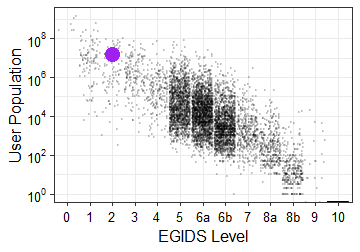
Full explanation
A language of Turkey
- ISO 639
- kmr
- Alternate Names
- Ezdiki, Kermancî, Kirmancî, Kurdish Kurmanji, Kurdiya jorîn, Kurdmancî, Kurdî, Kurmanji Kurdish, Kurmanjî
- Autonym
- Kurdî-Kurmancî, Kurmancî
- Population
- 9,000,000 in Turkey (2019), decreasing. 3,000,000 monolinguals. Especially in Hakkari and Shirnak provinces. Total users in all countries: 15,713,120.
- Location
- Agri, Batman, Bingöl, Diyarbakir, Elazig, Hakkari, Igdir, Kars, Mardin, Mus, Siirt, Sirnak, Tunceli, and Van provinces.
- Language Maps
- Armenia, Azerbaijan, Georgia, Iraq, Jordan and Syria, Turkey, Turkmenistan and Uzbekistan
- Language Status
- 6b (Threatened). Became widespread in the late 19th century with the nationalist movement demanding the establishment of a Kurdish state. Spoken mainly in eastern and southeastern Turkey. Used in poetry, general literature, education, and political documents. 48 people groups speak Kurdish as primary language.
- Classification
- Indo-European, Indo-Iranian, Iranian, Western, Northwestern, Kurdish
- Dialects
- Boti (Botani), Marashi, Ashiti, Bayezidi, Hekari, Shemdinani, Shikakî, Silivî, Mihemedî. Dialect differences but all use the same written form. A member of macrolanguage Kurdish [kur].
- Language Use
- Overall use of Northern Kurdish is beginning to decline in Turkey, even as it is used more as an LWC among immigrant populations. Home, market, political situations. Some of all ages. Many are adults above age 30. Positive attitudes. Most also use Turkish [tur]. Also use Northern Zazaki [kiu]. Also use Southern Zazaki [diq]. Used as L2 by Domari [rmt], Hértevin [hrt], Southern Zazaki [diq].
- Language Development
- Literacy rate in L1: Overall about 83%, but not differentiated by L1 or L2 usage. While overall speakers are decreasing, literates are increasing. Many literary works from 16th and 17th centuries onward. Literature. Newspapers. Periodicals. Radio. TV. Videos. Dictionary. Grammar. Bible: 2008.
- Writing
- Arabic script, Naskh variant [Arab], used in Iran, Iraq, Syria, and Lebanon. Armenian script [Armn], used between 1921–1929, used in Armenia. Cyrillic script [Cyrl], used in Armenia, Russia, and Azerbaijan. Latin script [Latn], developed in 1932, used in Turkey and Syria.
- Other Comments
- Yezidis call their language ‘Ezdiki’ and are recognized as a distinct ethnic group in Turkey. Muslim, Yezidi.
- Language Resources
- OLAC resources in and about Kurdish, Northern
Also Spoken in
- Location
- Aragatsotn province: Talin town; Ararat Province: Artashat and Masis towns; Armavir province: Echmiadzin; Gegharkunik province: southeastern coast, Lake Sevan; Kotayk province: Abovian area; Shirak and Lori provinces; other main towns and cities.
- Language Status
- 4 (Educational)
- Language Use
- Positive attitudes.
- Language Development
- Well-developed literary standard and much literature. Taught as subject in some primary schools, where Kurdish speakers are the majority.
- Other Comments
- Majority are Yezidi. View other languages of Armenia
Language Name
Kurdish, Northern
User Population
31,000 in Armenia (2013 UNSD).
- Language Status
- Unestablished
- Other Comments
- Non-indigenous. View other languages of Australia
Language Name
Kurdish, Northern
User Population
6,200 in Australia (2016 census).
- Location
- Scattered in the Agstafa, Kalbacar, Lachin, Qubadli, and Zangilan districts; many displaced.
- Language Status
- 5 (Dispersed)
- Other Comments
- Muslim. View other languages of Azerbaijan
Language Name
Kurdish, Northern
User Population
6,500 in Azerbaijan (Leclerc 2017b).
- Language Status
- Unestablished
- Other Comments
- Non-indigenous. View other languages of Belgium
Language Name
Kurdish, Northern
User Population
19,700 in Belgium (2020 census), based on nationality.
- Language Status
- Unestablished
- Other Comments
- Non-indigenous. View other languages of Bahrain
Language Name
Kurdish, Northern
User Population
79,100 in Bahrain (2019).
- Language Status
- Unestablished
- Other Comments
- Non-indigenous. View other languages of Canada
Language Name
Kurdish, Northern
User Population
11,700 in Canada (2016 census).
- Language Status
- Unestablished
- Other Comments
- Non-indigenous. View other languages of Switzerland
Language Name
Kurdish, Northern
User Population
35,100 in Switzerland (2000).
- Language Status
- Unestablished
- Other Comments
- Non-indigenous. View other languages of Germany
Language Name
Kurdish, Northern
User Population
228,000 in Germany (2020 census), based on nationality.
- Language Status
- Unestablished
- Other Comments
- Non-indigenous. View other languages of Denmark
Language Name
Kurdish, Northern
User Population
20,000 in Denmark (2007).
- Language Status
- Unestablished
- Other Comments
- Non-indigenous. View other languages of Spain
Language Name
Kurdish, Northern
User Population
1,320 in Spain (2020 census), based on nationality.
- Language Status
- Unestablished
- Other Comments
- Non-indigenous. View other languages of Finland
Language Name
Kurdish, Northern
User Population
15,900 in Finland (2021 census).
- Language Status
- Unestablished
- Other Comments
- Non-indigenous. View other languages of United Kingdom
Language Name
Kurdish, Northern
User Population
48,200 in United Kingdom (2011 census).
- Location
- Kvemo Kartli and Mtskheta-Mtianeti regions; T’bilisi area.
- Language Status
- 5 (Dispersed)
- Other Comments
- Non-indigenous. Yezidi. View other languages of Georgia
Language Name
Kurdish, Northern
User Population
20,600 in Georgia (Leclerc 2015).
- Language Status
- Unestablished
- Other Comments
- Non-indigenous. View other languages of Greece
Language Name
Kurdish, Northern
User Population
21,000 in Greece (Leclerc 2020a), based on ethnicity.
- Location
- Arbil, Dahuk, and Ninawa governorates: north of Great Zab river. Great Zab river area (Surchi dialect).
- Dialects
- Akre, Amadiye, Barwari Jor, Gulli, Sheikhan, Surchi, Zakho. Surchi dialect shares elements of both Northern and Central Kurdish.
- Language Status
- 1 (National)
- Language Use
- Positive attitudes.
- Language Development
- Taught in all primary and secondary schools in Kurdish Autonomous Region.
- Other Comments
- Many displaced since late 1980s. Yezidis call their language ‘Ezdiki’ and are recognized as a distinct ethnic group in Iraq. Muslim, Yezidi. View other languages of Iraq
Language Name
Kurdish, Northern
User Population
4,040,000 in Iraq (2020).
- Location
- North Khorasan province: Quchan and Bojnurd towns; Mazandaran province: Kalardast region; West Azerbaijan, Golestan, Razavi Khorasan, and Qazvin provinces; east of the Caspian Sea, north and west of Lake Urmia (Khorasani Kurmanji dialect).
- Dialects
- Northern Kurdish (Kurmanji), Khorassani Kurmanji.
- Language Status
- 5 (Dispersed)
- Other Comments
- Muslim. View other languages of Iran
Language Name
Kurdish, Northern
User Population
485,000 in Iran (2019).
- Language Status
- Unestablished
- Other Comments
- Non-indigenous. View other languages of Italy
Language Name
Kurdish, Northern
User Population
3,500 in Italy (2001). Ethnic population: 11,500 (2000).
- Language Status
- Unestablished
- Other Comments
- Non-indigenous. View other languages of Jordan
Language Name
Kurdish, Northern
User Population
7,400 in Jordan (Leclerc 2021), based on ethnicity.
- Language Status
- Unestablished
- Other Comments
- Non-indigenous. View other languages of Kyrgyzstan
Language Name
Kurdish, Northern
User Population
12,700 in Kyrgyzstan (2009 census). Ethnic population: 13,200 (2009 census).
- Language Status
- Unestablished
- Other Comments
- Non-indigenous. View other languages of Kazakhstan
Language Name
Kurdish, Northern
User Population
34,000 in Kazakhstan (2009 census). Ethnic population: 38,300 (2009 census).
- Location
- Beqaa province: Bekah Valley; Beyrouth, Liban-Nord (Tripoli), and Liban-Sud (Sidon) provinces: scattered urban areas.
- Language Status
- 5 (Dispersed)
- Language Use
- All also use North Levantine Spoken Arabic [apc].
- Language Development
- Literacy rate in L1: 40%.
- Other Comments
- Non-indigenous. Muslim. View other languages of Lebanon
Language Name
Kurdish, Northern
User Population
23,000 in Lebanon (2020). Ethnic population: 70,000 (2020 H. Salimi).
- Language Status
- Unestablished
- Other Comments
- Non-indigenous. View other languages of Netherlands
Language Name
Kurdish, Northern
User Population
74,700 in Netherlands (2019).
- Language Status
- Unestablished
- Other Comments
- Non-indigenous. View other languages of Norway
Language Name
Kurdish, Northern
User Population
5,830 in Norway (2021 census), based on nationality.
- Language Status
- Unestablished
- Other Comments
- Non-indigenous. View other languages of Russian Federation
Language Name
Kurdish, Northern
User Population
34,700 in Russian Federation (2010 census).
- Language Status
- Unestablished
- Other Comments
- Non-indigenous. View other languages of Sweden
Language Name
Kurdish, Northern
User Population
10,800 in Sweden (2020 census), based on nationality.
- Location
- Al Hasakah governorate: Al Hasakah city northwest border; Halab governorate: north of Euphrates reservoir; Ar Raqqah governorate: area surrounding capital.
- Language Status
- 5 (Dispersed)
- Language Use
- Also use North Levantine Spoken Arabic [apc]. Used as L2 by Domari [rmt].
- Other Comments
- Muslim, Yezidi. View other languages of Syria
Language Name
Kurdish, Northern
User Population
1,370,000 in Syria (2019).
- Location
- Ahal province: mainly Ashgabat area.
- Language Status
- 6a (Vigorous)
- Other Comments
- Non-indigenous. Muslim. View other languages of Turkmenistan
Language Name
Kurdish, Northern
User Population
49,000 in Turkmenistan (Leclerc 2019b), based on ethnicity.
- Language Status
- Unestablished
- Other Comments
- Non-indigenous. View other languages of Ukraine
Language Name
Kurdish, Northern
User Population
1,170 in Ukraine (2001 census). Ethnic population: 2,090 (2001 census).
- Language Status
- Unestablished
- Language Use
- Many also use English [eng].
- Other Comments
- Non-indigenous. View other languages of United States
Language Name
Kurdish, Northern
User Population
17,000 in United States (2015 census). Census does not distinguish between Northern Kurdish [kmr], Central Kurdish [ckb], and Southern Kurdish [sdh].