
loy ISO 639
ल्होवा (Lhowa) Autonyms
Lhowa
Visualizations
Language Cloud
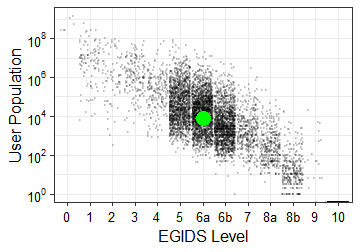
Full explanation
A language of Nepal
- ISO 639
- loy
- Alternate Names
- Glo Skad, Lhopa, Lo Montang, Loba, Loke, Loket, Lopa, Lowa, Loyu, Mustangi
- Autonym
- ल्होवा (Lhowa)
- Population
- 7,500 (2011). 5,000 Upper Mustang and 2,500 Baragaunle.
- Location
- Gandaki province: Mustang district, upper Kali Gandaki river valley; Bahargaun Muktikhsetra, Dalome, and Lo Manthang municipalities.
- Language Maps
- Central Nepal
- Language Status
- 6a (Vigorous). Language of recognized indigenous nationality: Bahragaunle, Lhopa.
- Classification
- Sino-Tibetan, Tibeto-Burman, Western Tibeto-Burman, Bodish, Central Bodish, Central, gTsang
- Dialects
- Bahragaunle (Bahragaun, “Bhoti Gurung” (pej.)), Upper Mustang (Loke). High intelligibility between dialects reported. Lexical similarity: 79%–88% between dialects, 59%–71% with Dolpo [dre], 54%–57% with Lhasa Tibetan [bod], 58%–67% with Mugom-Karmarong [muk].
- Typology
- SOV; postpositions; noun head initial; 5 noun classes and 3 genders; content q-word in situ; at least 2 suffixes; no passives or voice; tonal; 44 consonant and 8 vowel phonemes.
- Language Use
- Some youth totally educated outside language area and may not be able to speak Lhowa. Tibetan [bod] is used in religious domain. Home, friends. Used by all. Positive attitudes. Also use Central Tibetan [bod]. Also use Nepali [npi]. Used as L2 by Dolpo [dre], Seke [skj].
- Language Development
- Literacy rate in L2: 41% for whole district, includes Thakalis, Nepalis. (males 57%, females 28%). Non-formal education. Dictionary. Grammar.
- Writing
- Devanagari script [Deva]. Tibetan script [Tibt].
- Other Comments
- Distinct from Lhoba in China and India, a Mirish language. Lo inhabitants are called Lopa or Lowa. Their capital is Manthang, called Mustang by outsiders. Manthang has 200 houses, many monasteries. Buddhist, traditional religion.
- Language Resources
- OLAC resources in and about Lhowa