
nso ISO 639
Sesotho sa Leboa Autonyms
Sotho, Northern
Visualizations
Language Cloud
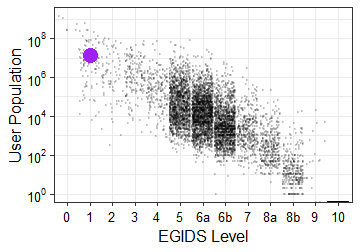
Full explanation
A language of South Africa
- ISO 639
- nso
- Alternate Names
- Pedi, Sepedi, Transvaal Sotho
- Autonym
- Sesotho sa Leboa
- Population
- 13,720,000 in South Africa, all users. L1 users: 4,620,000 in South Africa (2013 UNSD), increasing. L2 users: 9,100,000 (Webb 2002). Total users in all countries: 13,731,000 (as L1: 4,631,000; as L2: 9,100,000).
- Location
- Gauteng province: Pretoria area; Limpopo province; Mpumalanga province: Ehlanzeni and Nkangala districts; North-West province: Mortele municipality.
- Language Maps
- Lesotho, South Africa and Swaziland, South Africa: Enlarged area
- Language Status
- 1 (National). Statutory national language (1996, Constitution, Article 6(1)). Statutory provincial language in Gauteng and Limpopo provinces (2012, Use of Official Languages Act, No. 12, Section 4(1)).
- Classification
- Niger-Congo, Atlantic-Congo, Volta-Congo, Benue-Congo, Bantoid, Southern, Narrow Bantu, Central, S, Sotho-Tswana (S.32)
- Dialects
- Masemola (Masemula, Tau), Kgaga (Khaga, Kxaxa), Koni (Kone), Tswene (Tsweni), Gananwa (Hananwa, Xananwa), Pulana, Phalaborwa (Phalaburwa, Thephalaborwa), Khutswe (Khutswi, Kutswe), Lobedu (Khelobedu, Lovedu, Lubedu), Tlokwa (Dogwa, Tlokoa, Tokwa), Pai, Dzwabo (Thabine-Roka-Nareng), Kopa (Ndebele-Sotho), Matlala-Moletshi. Dialects Pai, Kutswe, and Pulana are more divergent and sometimes called ‘Eastern Sotho’.
- Language Development
- Taught as subject in some primary and secondary schools. Taught in primary schools through grade 3. Radio. TV. Grammar. Bible: 1904–2000.
- Writing
- Braille script [Brai]. Latin script [Latn], primary usage.
- Other Comments
- Christian, traditional religion.
- Language Resources
- OLAC resources in and about Sotho, Northern
Also Spoken in
- Language Status
- Unestablished
- Other Comments
- Non-indigenous. View other languages of Botswana
Language Name
Sotho, Northern
User Population
11,000 in Botswana (2003 J. Leclerc).