
quz ISO 639
Runasimi, Runasimi Qusqu Qullaw Autonyms
Quechua, Cusco
Visualizations
Language Cloud
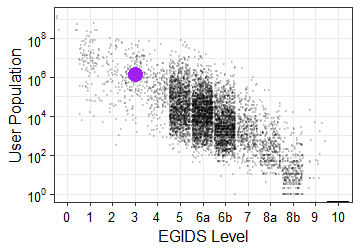
Full explanation
A language of Peru
- ISO 639
- quz
- Alternate Names
- Cuzco, Cuzco Quechua, Qheswa, Qheswasimi, Quechua Cusco, Quechua Qosqo-Qollaw, Quechua de Cusco-Collao, Qusqu qhichwa simi, Qusqu runasimi
- Autonym
- Runasimi, Runasimi Qusqu Qullaw
- Population
- 1,500,000 (1989 UBS). Total Quechua in Peru 3,500,000–4,400,000 including Quechua I 750,000, Quechua II 2,680,000 (2000 W. Adelaar). 300,000 monolinguals. Ethnic population: 1,500,000.
- Location
- Apurimac, Arequipa, Cusco, Moquegua, Madre de Dios, and Puno regions.
- Language Maps
- Peru
- Language Status
- 3 (Wider communication). Lingua franca of the Andes at the time of the Spanish conquest in the 16th century. Used in everyday communication, traditional Andean music, bilingual education, the arts, church, health services, agriculture, and animal husbandry.
- Classification
- Quechuan, Peripheral Quechua, Chinchay, Southern Chinchay, Southern Peruvian Quechua
- Dialects
- Caylloma Quechua, Eastern Apurímac Quechua, Puno Quechua. Some dialect differences, but not as distinct as elsewhere. Substantial phonological and morphological differences with Ayacucho Quechua. A member of macrolanguage Quechua [que].
- Typology
- SOV; 28 consonants and 5 vowels.
- Language Use
- City people generally want children to speak primarily Spanish [spa]. Used by all. Most also use Spanish [spa], especially in urban areas, but also in rural areas. Used as L2 by Arequipa-La Unión Quechua [qxu].
- Language Development
- Literacy rate in L1: 1%–5%. Literacy rate in L2: 62%. Taught in some primary schools in early grades only. Literature. Radio. Dictionary. Grammar. Texts. Bible: 1988–2004.
- Writing
- Latin script [Latn].
- Other Comments
- Christian, traditional religion.
- Language Resources
- OLAC resources in and about Quechua, Cusco