
rmn ISO 639
Romani, Romani ćhib Autonyms
Romani, Balkan
Visualizations
Language Cloud
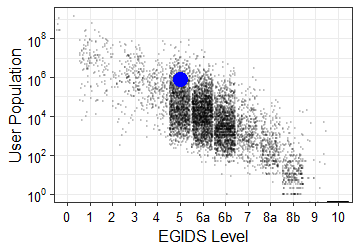
Full explanation
A language of Serbia
- ISO 639
- rmn
- Alternate Names
- Roma, “Balkan Gypsy” (pej.)
- Autonym
- Romani, Romani ćhib
- Population
- 101,000 in Serbia (2013 UNSD). 100,000 Arlija. Total users in all countries: 802,840 (as L1: 602,840; as L2: 200,000).
- Location
- Kosovo: scattered.
- Language Maps
- Bulgaria, North Macedonia
- Language Status
- 5* (Developing).
- Classification
- Indo-European, Indo-Iranian, Indo-Aryan, Intermediate Divisions, Western, Romani, Balkan
- Dialects
- Arli (Arlije, Kosovan Arli), Prizren (Kosovan Romani), Tinners Romani, Bugurdži Romani (Arabadži, Kovački, Rabadži), Pazardžik Kalajdži. Arlija dialect (252,000–367,000 total) understood by Greek Romani and Dzambazi. A member of macrolanguage Romany [rom].
- Language Development
- Printed or pre-recorded Romani language materials may not be understandable outside the country (or context of surrounding languages) in which they were produced. Literature. Dictionary. Grammar. Bible: 2015.
- Writing
- Cyrillic script [Cyrl], used in Bulgaria. Greek script [Grek], used in Greece. Latin script [Latn], used in Serbia.
- Other Comments
- Ethnic group: Jerlídes (North Macedonia, southern Serbia). Muslim.
- Language Resources
- OLAC resources in and about Romani, Balkan
Also Spoken in
- Location
- Scattered near urban areas; Burgas, Gabrovo, Grad Sofiya, Sliven, and Sofiya provinces; Stara Zagora province: Kazanlak municipality. From Sofia to the Black Sea (Central dialect); central and northwest Bulgaria (Tinsmiths’ dialect); Sofia region (Arlija dialect); Sliven and Varna provinces (Drindari dialect).
- Dialects
- Arli (Erli, Sofia Erli), Tinners Romani, Greek Romani, Dzambazi, East Bulgarian Romani, Paspatian, Ironworker Romani, Drindari (Chalgijis, Kitajis), Pazardžik Kalajdži, Khorakhani.
- Language Status
- 6a (Vigorous)
- Other Comments
- Non-indigenous. Ethnic groups: Jerlídes (western Bulgaria), Drindári (central Bulgaria). Muslim. View other languages of Bulgaria
Language Name
Romani, Balkan
User Population
481,000 in Bulgaria, all users. L1 users: 281,000 in Bulgaria (2011 census). 100,000 Arlija, 20,000 Dzambazi, 10,000 Tinsmiths, 10,000 East Bulgarian. L2 users: 200,000 (Gunnemark and Kenrick 1985).
- Location
- Scattered.
- Dialects
- Arli (Erli), Dzambazi.
- Language Status
- Unestablished
- Language Development
- Printed or pre-recorded Romani language materials may not be understandable outside the country (or context of surrounding languages) in which they were produced.
- Other Comments
- Non-indigenous. Muslim. View other languages of Germany
Language Name
Romani, Balkan
User Population
3,500 in Germany. 2,000 Arlija and 1,500 Dzambazi.
- Dialects
- Arli, Dzambazi.
- Language Status
- Unestablished
- Language Development
- Printed or pre-recorded Romani language materials may not be understandable outside the country (or context of surrounding languages) in which they were produced.
- Other Comments
- Non-indigenous. Muslim. View other languages of France
Language Name
Romani, Balkan
User Population
10,500 in France. 10,000 Arlija, 500 Dzambazi.
- Location
- Epirus (Romancilikanes dialect); Western Macedonia (Serres dialect); Peloponnese region: (Pyrgos dialect).
- Dialects
- Sepečides Romani (Greek Romani, Sepeči), Arli (Arlije, Erli), Serres, Romancilikanes, Pyrgos.
- Language Status
- 6a (Vigorous)
- Language Use
- Also use Greek [ell].
- Language Development
- Printed or pre-recorded Romani language materials may not be understandable outside the country (or context of surrounding languages) in which they were produced.
- Other Comments
- Non-indigenous. Christian, Muslim. View other languages of Greece
Language Name
Romani, Balkan
User Population
40,000 in Greece (1996 B. Igla). 10,000 Arlija, 30,000 Greek Romani.
- Location
- Qazvin Province: Abyek district, Zargar village.
- Dialects
- Zargari Romani, Romano.
- Language Status
- 7 (Shifting)
- Language Use
- Shifting to Iranian Persian [pes].
- Language Development
- Printed or pre-recorded Romani language materials may not be understandable outside the country (or context of surrounding languages) in which they were produced.
- Other Comments
- Non-indigenous. Muslim. View other languages of Iran
Language Name
Romani, Balkan
User Population
35,900 in Iran (2019).
- Dialects
- Arli (Erli).
- Language Status
- Unestablished
- Language Development
- Printed or pre-recorded Romani language materials may not be understandable outside the country (or context of surrounding languages) in which they were produced.
- Other Comments
- Non-indigenous. Muslim. View other languages of Italy
Language Name
Romani, Balkan
User Population
5,000 in Italy (1990).
- Location
- Scattered.
- Dialects
- Ursári (Usari).
- Language Status
- 6a (Vigorous)
- Language Development
- Printed or pre-recorded Romani language materials may not be understandable outside the country (or context of surrounding languages) in which they were produced.
- Other Comments
- Non-indigenous. Ethnic groups: Ursári (Moldova), Karamítika (Ukraine), Romá (Crimean Peninsula). Muslim. View other languages of Moldova
Language Name
Romani, Balkan
User Population
7,570 in Moldova (2014 census).
- Location
- Berane, Bijelo Polje, Herceg Novi, Nikšic, and Podgorica municipalities.
- Dialects
- Arli.
- Language Status
- 5 (Developing)
- Language Development
- Printed or pre-recorded Romani language materials may not be understandable outside the country (or context of surrounding languages) in which they were produced.
- Other Comments
- Non-indigenous. View other languages of Montenegro
Language Name
Romani, Balkan
User Population
5,170 in Montenegro (2011 census).
- Location
- Scattered.
- Dialects
- Arli (Arlije), Tinners Romani, Prilep, Bugurdži Romani (Arabadži, Kovački, Rabadži), Pazardžik Kalajdži.
- Language Status
- 6a (Vigorous)
- Language Development
- Printed or pre-recorded Romani language materials may not be understandable outside the country (or context of surrounding languages) in which they were produced.
- Other Comments
- Non-indigenous. Ethnic group: Jerlídes (Macedonia, southern Serbia). Muslim. View other languages of North Macedonia
Language Name
Romani, Balkan
User Population
40,300 in North Macedonia (2018). Ethnic population: 57,200 (2018).
- Location
- Scattered. Black Sea region.
- Dialects
- Moldovan Ursari (Ursári, Usari), Spoitor.
- Language Status
- 6a (Vigorous)
- Language Development
- Printed or pre-recorded Romani language materials may not be understandable outside the country (or context of surrounding languages) in which they were produced.
- Other Comments
- Non-indigenous. Many moved to Germany since 1989. Muslim. View other languages of Romania
Language Name
Romani, Balkan
- Location
- Widespread west: Izmir (Sepečides) and Edirne (Rumelian) provinces.
- Dialects
- Sepečides Romani (Sepeči), Rumelian Romani.
- Language Status
- 6a (Vigorous)
- Language Development
- Printed or pre-recorded Romani language materials may not be understandable outside the country (or context of surrounding languages) in which they were produced.
- Other Comments
- Non-indigenous. Muslim. View other languages of Turkey
Language Name
Romani, Balkan
User Population
72,900 in Turkey (2019).
- Location
- Kharkiv region.
- Dialects
- Crimean Romani (Kyrymitika Roma).
- Language Status
- 6a (Vigorous)
- Language Development
- Printed or pre-recorded Romani language materials may not be understandable outside the country (or context of surrounding languages) in which they were produced.
- Other Comments
- Non-indigenous. View other languages of Ukraine
Language Name
Romani, Balkan