
xkf ISO 639
Khengkha
Visualizations
Language Cloud
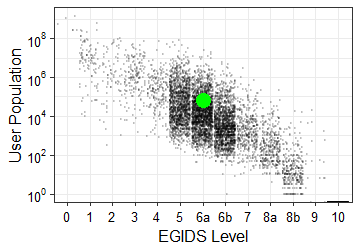
Full explanation
A language of Bhutan
- ISO 639
- xkf
- Alternate Names
- Ken, Keng, Kenkha, Khen, Khenkha, Kyengkha
- Population
- 65,000, all users. L1 users: 50,000 (2003 SIL). L2 users: 15,000. 30,000 monolinguals.
- Location
- Mongar district: southwest; eastern Sarpang and southeast Trongsa districts: smaller areas; Zhemgang district: widespread.
- Language Maps
- Bhutan
- Language Status
- 6a (Vigorous).
- Classification
- Sino-Tibetan, Tibeto-Burman, Western Tibeto-Burman, Bodish, East Bodish, Bumthang
- Dialects
- Middle Kheng, Upper Kheng, Lower Kheng. Bumthangkha [kjz] reportedly most similar related language, but comprehension not sufficient for complex discourse. Comprehend Kurtokha [xkz] with difficulty. Lexical similarity: 75%–85% with Bumthangkha [kjz], 70% with Kurtokha [xkz] and Nyengkha [neh], 34% with Dzongkha [dzo], 40% with Tshangla [tsj], and 75%–100% between dialects.
- Typology
- SOV; postpositions; genitives, relatives before noun heads, articles, adjective after noun heads; maximum prefixes 1; maximum suffixes 4; affixes indicate case; ergative; passives; causatives; some comparatives; CCVC; tonal.
- Language Use
- Vigorous. Home, commerce, local politics, traditional religion, but not allowed in school. Used by all. Negative attitudes, especially toward Gonphu village speaking style. Lower Kheng considered most backward; Middle Kheng most prestigious. Also use Bumthangkha [kjz], especially those who travel or have intermarried. Also use Dzongkha [dzo], but only by educated people and some older men. Also use English [eng], especially some (10%) of the educated young people. Also use Kurtokha [xkz], especially those who travel or have intermarried. Also use Nepali [npi], especially some (20%) of those who live near the road. Also use Nyenkha [neh], especially those who travel or have intermarried. Also use Tshangla [tsj], especially those who travel east of Kheng area.
- Language Development
- Literacy rate in L2: 20% in Dzongkha [dzo]. Bible portions: 2008.
- Writing
- Tibetan script [Tibt], Uchen style, unofficial usage.
- Other Comments
- Middle Kheng region strongest and most developed economically; Lower Kheng least developed. Buddhist.
- Language Resources
- OLAC resources in and about Khengkha