
xsm ISO 639
Kasem Autonyms
Kasem
Visualizations
Language Cloud
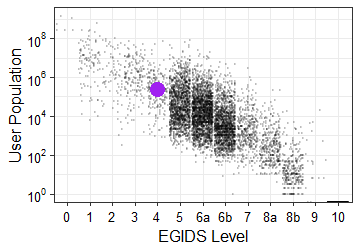
Full explanation
A language of Burkina Faso
- ISO 639
- xsm
- Alternate Names
- Kasena, Kasim, Kassem, Kassena
- Autonym
- Kasem
- Population
- 83,600 in Burkina Faso (2009 UNSD). Total users in all countries: 232,600.
- Location
- Centre-Ouest region, Sissili province; Centre-Sud region: Nahouri province, Guiaro, Po, and Tiébélé towns.
- Language Maps
- Burkina Faso, Ghana
- Language Status
- 5 (Developing).
- Classification
- Niger-Congo, Atlantic-Congo, Volta-Congo, North, Gur, Central, Southern, Grusi, Northern
- Dialects
- East Kasem, West Kasem. West and East Kasem mutually inherently intelligible. Reportedly similar to Nuni [nuv] and Lyélé [lee].
- Typology
- SVO; postpositions; genitives, articles, adjectives, numerals after noun heads; relatives after or without noun heads; no more than one affix per word; word order distinguishes subjects, objects, indirect objects, topic and comment; causatives; comparatives; CV, CVC, CVV; tonal.
- Language Use
- Used by all. Also use French [fra]. Also use Mòoré [mos].
- Language Development
- Literacy rate in L1: 15%. Literacy rate in L2: 15% in French [fra], 15% in Mòoré [mos]. Literature. Dictionary. Grammar. NT: 1988–1997.
- Writing
- Latin script [Latn].
- Other Comments
- East Kasem is more prestigious. Loanwords from French [fra] and Mòoré [mos] in Burkina Faso, English [eng] and Akan [aka] in Ghana. Traditional religion, Christian.
- Language Resources
- OLAC resources in and about Kasem
Also Spoken in
- Location
- Upper East region: Navrongo town area; Upper West region: Sissala East and West districts.
- Dialects
- Nunuma, Lela, Kasem, Fere.
- Language Status
- 4 (Educational)
- Language Use
- Vigorous. All domains. Used by all. Also use English [eng].
- Language Development
- Literacy rate in L1: 1%–5%. Literacy rate in L2: 15%–25%. Taught in primary and secondary schools through grade 3 and as subject thereafter.
- Other Comments
- Traditional religion, Christian. View other languages of Ghana
Language Name
Kasem
User Population
149,000 in Ghana (2013 UNSD), increasing.